What Is the Shinkansen?
The shinkansen (literally 'new trunk line') is Japan's high-speed rail network, operating since 1964. Trains reach 320 km/h and connect major cities with legendary punctuality — the average annual delay is under 60 seconds. The network spans from Hokkaido in the north to Kyushu in the south. For travelers, the shinkansen is the fastest and most comfortable way to travel between cities: Tokyo to Kyoto in 2 hours 15 minutes, Tokyo to Osaka in 2 hours 30 minutes, Tokyo to Hiroshima in 4 hours. No check-in, no security lines — walk onto the platform 5 minutes before departure.
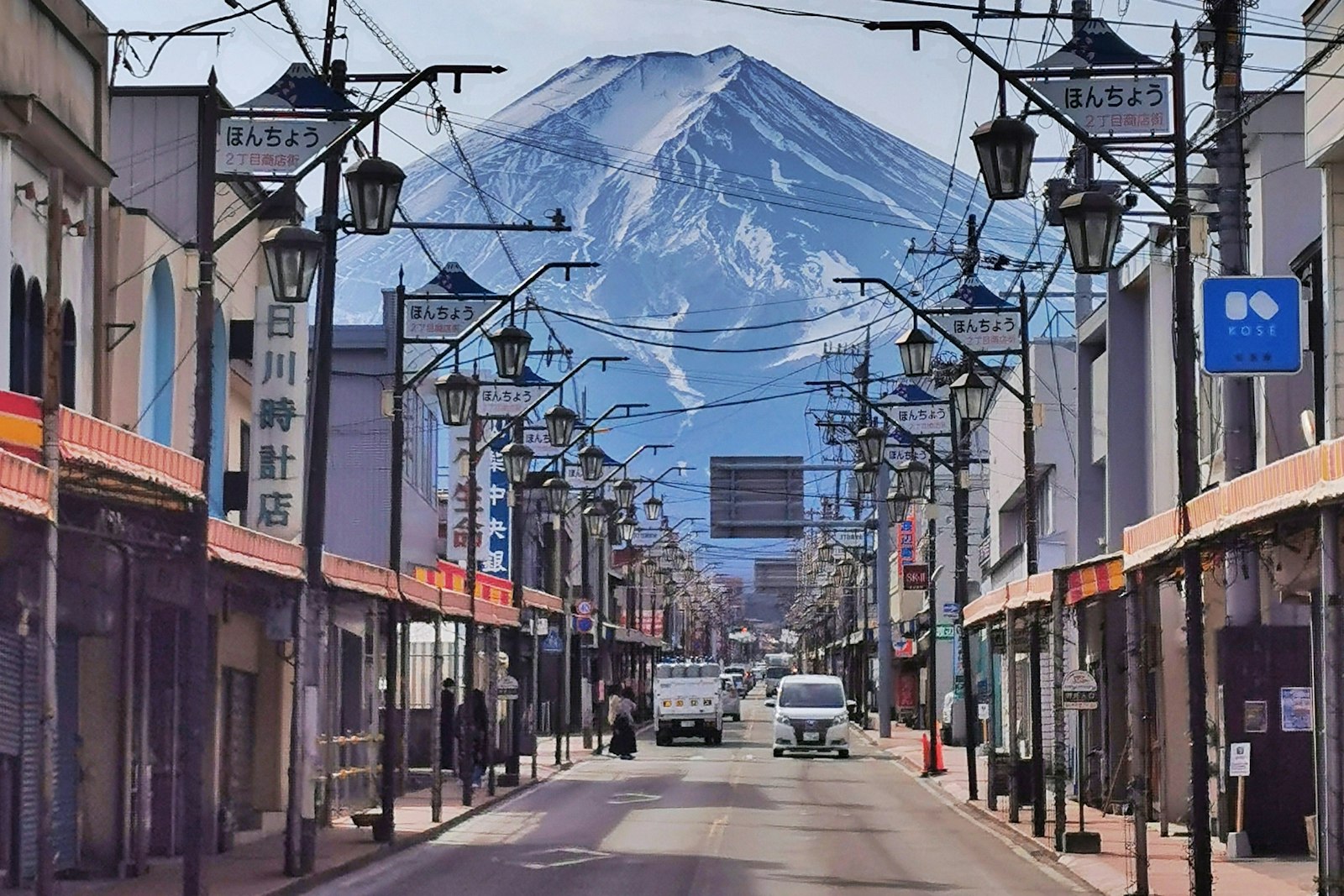
Tip: Book seat E (window) on the right side heading south from Tokyo for Mount Fuji views between Shin-Yokohama and Nagoya. Clearest on winter mornings.
Main Shinkansen Routes
Tokaido Shinkansen (Tokyo-Osaka): Japan's busiest line, 13 trains per hour at peak. Nozomi (fastest, 2h15m), Hikari (major stops, 2h40m), Kodama (all stops, 4h). Sanyo Shinkansen (Osaka-Hakata/Fukuoka): Continues from Tokaido, Nozomi runs through. Tohoku Shinkansen (Tokyo-Shin-Aomori): Hayabusa fastest at 320 km/h, 3h10m. Hokkaido Shinkansen (Shin-Aomori-Sapporo): Extended to Sapporo in 2031, currently reaches Shin-Hakodate-Hokuto. Hokuriku Shinkansen (Tokyo-Tsuruga via Kanazawa): 2h30m to Kanazawa. Kyushu Shinkansen (Hakata-Kagoshima): 1h20m through southern Japan.
Japan Rail Pass: Is It Worth It?
The Japan Rail Pass (JR Pass) offers unlimited travel on JR trains including most shinkansen. 7-day pass: ¥50,000, 14-day: ¥80,000, 21-day: ¥100,000. A single Tokyo-Kyoto round trip costs ¥27,000 — so the 7-day pass pays for itself with just one round trip plus local JR trains. Important limitations: The JR Pass does NOT cover Nozomi or Mizuho (fastest trains on Tokaido/Sanyo lines). You must take Hikari or Sakura instead (15-20 minutes slower). Regional passes (JR East, JR West, JR Kyushu) offer better value for specific areas. Purchase online before arrival and activate at JR stations.
Booking Tickets and Seat Classes
Reserved seats (shitei-seki): Book at JR ticket counters, ticket machines, or online via SmartEX app (English, credit card). Recommended for peak periods. Non-reserved cars (jiyu-seki): Sit in cars 1-3 without reservation — queue on the platform, first-come-first-seated. Usually fine outside rush hour. Green Car (first class): Wider seats, more legroom, quieter, ~¥5,000 surcharge. Gran Class (Tohoku/Hokuriku): Airline business-class equivalent with meals and drinks, ~¥10,000 surcharge. SmartEX app lets you book, modify, or cancel tickets from your phone up to 4 minutes before departure.
On-Board Experience and Tips
Shinkansen are quiet, clean, and spacious. Overhead racks hold carry-on bags; large suitcases go in designated luggage areas (reserve online for free if bag exceeds 160cm total dimensions). Reclining seats, fold-down tables, power outlets (window and middle seats), and clean toilets on every car. Eating on board is encouraged — buy an ekiben (station lunch box, ¥900-1,500) and drinks before boarding. Food carts no longer service most routes. Free WiFi is available but slow. Phone calls are prohibited — step to the vestibule area between cars. The smooth, quiet ride makes napping easy.
Money-Saving Tips
Without a JR Pass: Platt Kodama plans save 20-30% on the all-stops Kodama service (3h50m Tokyo-Osaka, ¥10,700 vs ¥14,720). EX Early Reservation via SmartEX app saves ¥1,000-2,000 for booking 21+ days ahead. Puratto Kodama (JR Tokai Tours) includes a free drink. For budget travelers: overnight buses between Tokyo and Osaka cost ¥3,000-6,000 vs ¥14,000 by shinkansen. Seishun 18 Kippu (¥12,050 for 5 days of unlimited local trains) is cheapest but very slow. Students get 20% JR discount with valid student ID.