Japan's Expressway System
Japan's expressway network (kosoku doro) spans 9,000+ km connecting all major cities. Roads are excellently maintained, well-lit, and relatively safe — but expensive. The Tokyo-Osaka stretch costs approximately ¥10,000-12,000 in tolls one way (350km). Speed limits are 80-120 km/h depending on the section. Multi-lane highways with gentle curves, electronic signage in English, and frequent rest stops make long-distance driving comfortable. The trade-off versus trains is cost (tolls + fuel) versus flexibility (stopping anywhere, carrying equipment, rural access).
Tip: Holiday weekends create legendary traffic jams — 30-50km congestion on major routes around Tokyo. Check NEXCO traffic predictions (eng.nexco.co.jp) and adjust departure times.
ETC Cards: Essential for Toll Savings
ETC (Electronic Toll Collection) cards enable non-stop toll gate passage and significant discounts: 30% off on weekends/holidays, up to 50% off during off-peak hours on some routes. For tourists: Rent an ETC card from your car rental company (¥330/day) — most include it in package deals. The card slots into the car's built-in ETC reader. Without ETC, you must stop at manned toll gates, pay cash, and miss all discounts. Tohoku Expressway Pass and Hokkaido Expressway Pass offer unlimited travel for fixed prices (¥7,000-15,000 for 2-5 days) — incredible value for road trips in these regions.
Service Areas and Parking Areas
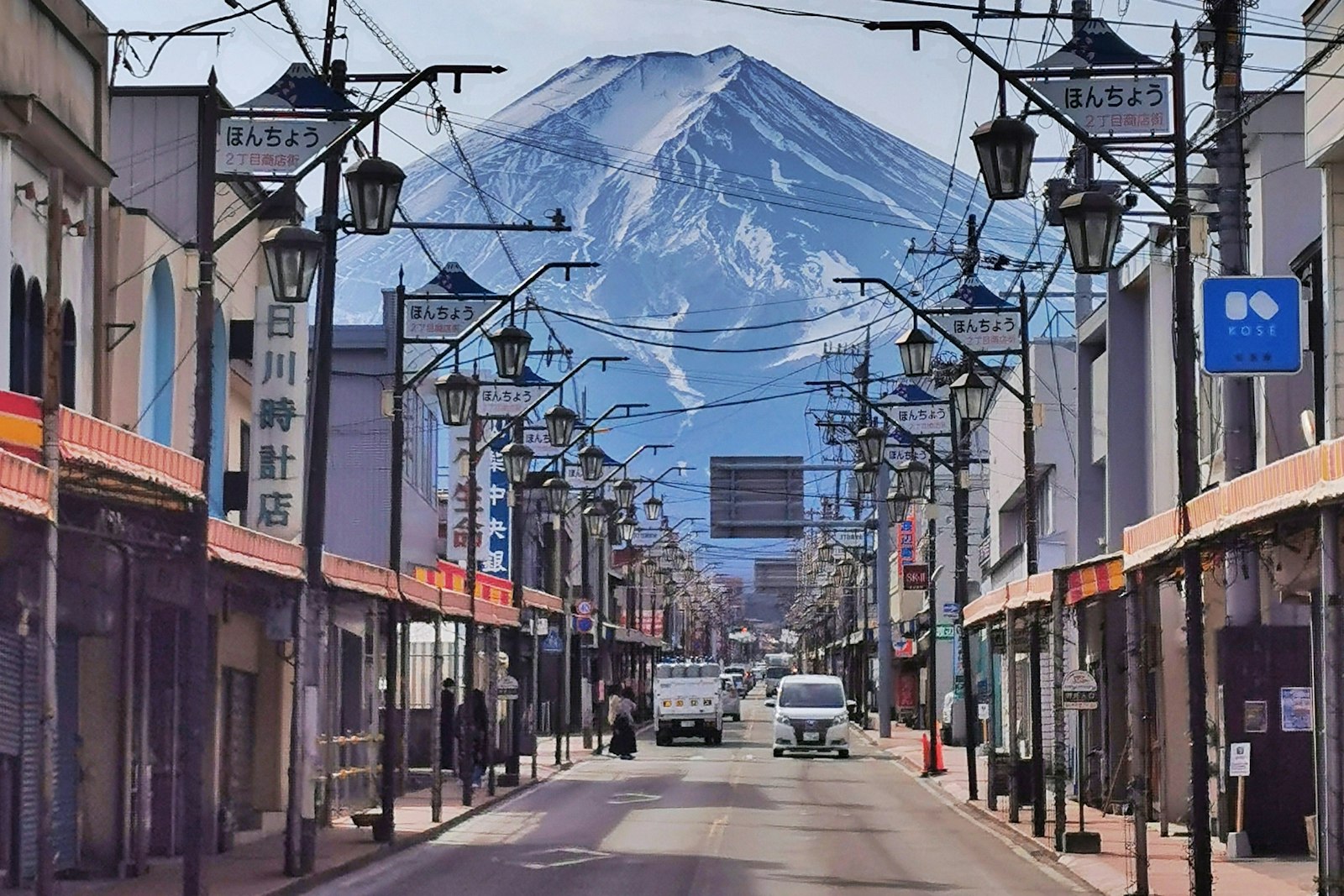
Japan's highway rest stops are destinations in themselves. Service Areas (SA): Full facilities every 50-80km — restaurants, food courts, convenience stores, gas stations, showers (some), souvenir shops with regional specialties. Parking Areas (PA): Smaller stops every 15-25km — toilets, vending machines, sometimes a small shop. Famous stops: Ebina SA (Tomei Expressway): gourmet food court rivaling a shopping mall. Neopasa Shimizu: Mt. Fuji views and premium shops. Dangozaka SA (Hokkaido): legendary soft cream. Rest stops are open 24/7 with spotless facilities.
Driving Rules and Safety
Stay in the left lane except when overtaking. Speed limits: Clearly posted — 80 km/h standard, 100-120 km/h on newer sections. Speed cameras (orbis) photograph violators automatically (¥12,000-50,000 fines). Tailgating is both dangerous and penalized. Emergencies: Pull completely off the road onto the shoulder, activate hazard lights, place the red triangle behind your car, and use the emergency telephone (every 1km) to call for help. Weather closures: Expressways close during heavy snow, typhoons, or earthquakes — electronic signs display warnings. Winter chains or studless tires are mandatory in snowy regions.
Alternative: Scenic Toll-Free Routes
Japan's national routes (kokudo) are toll-free and often more scenic, passing through towns rather than bypassing them. Route 1 (Tokaido): Historic road from Tokyo to Kyoto via coastal towns. Route 5 (Hokkaido): Scenic road through central Hokkaido. The trade-off: significantly slower (traffic lights, towns, winding mountain roads) — Tokyo to Osaka takes 8-10 hours versus 5 by expressway. Seishun 18 Kippu equivalent for drivers: Plan overnight at roadside stations (Michi no Eki) — free parking, toilets, and many allow overnight stays in your car (not officially but widely tolerated).