在日本举办婚礼要花多少钱?实用预算完全指南
Weddings 9 min read

在日本举办婚礼要花多少钱?实用预算完全指南

What Does a Wedding in Japan Actually Cost? The Big Picture

The average domestic Japanese wedding costs between ¥3,500,000 and ¥4,500,000 (roughly USD $23,000–$30,000), according to data from the Zexy Wedding Report. However, international couples have far more flexibility — you are not expected to follow the traditional format of a reception that charges per guest and includes cash gift envelopes (goshugi), which means you can calibrate your budget far more freely than a Japanese couple might. At the lower end, a legal civil ceremony at a municipal office (which costs virtually nothing) combined with a simple photo session and small dinner can be done for ¥300,000–¥600,000 (roughly $2,000–$4,000). A mid-range symbolic ceremony with a styled reception for 20–40 guests typically runs ¥1,500,000–¥3,000,000. A full-scale luxury wedding at a landmark venue — think a chapel at a resort hotel in Kyoto or Hakone, followed by a banquet — can reach ¥5,000,000–¥8,000,000 or more. The single biggest variable in Japan is the venue and its required catering spend (known as a minimum food and beverage guarantee). Many Japanese wedding venues — especially hotels and dedicated bridal facilities (kekkon shikijo) — bundle ceremony space, catering, flowers, and sometimes even photography into one package price (all-inclusive plans start around ¥350,000 for two and scale up with guest count). Understanding this bundled model is key to reading any quote you receive. Budget planning tip: Ask every venue for their 'minimum guarantee' (saitei hoshō kingaku) upfront. This is the non-negotiable minimum you must spend on food and drink, separate from any ceremony or venue hire fee, and it can range from ¥300,000 to over ¥2,000,000 depending on the property.

Tip: Request an itemised quote (mitsumori-sho) from any venue — reputable venues will provide one without hesitation.

Ceremony Types and Their Costs

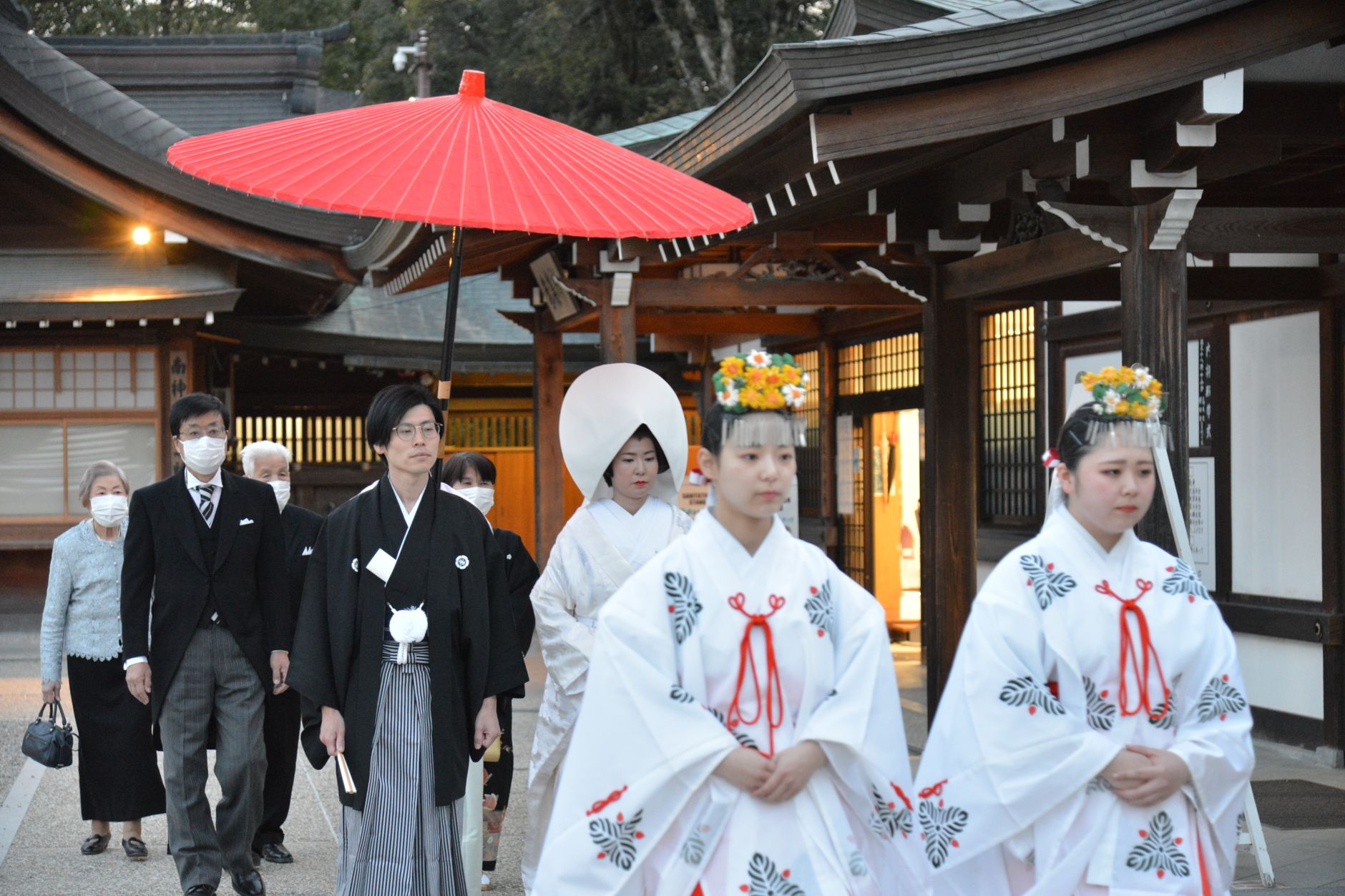
Japan offers four main ceremony styles relevant to international couples. A Shinto ceremony (jinja-kon) held at a shrine is deeply traditional — priests perform rituals including the san-san-kudo sake-sharing rite. Shrine fees vary widely: a modest local shrine may charge ¥50,000–¥80,000, while famous shrines like Meiji Jingu in Tokyo or Heian Jingu in Kyoto charge ¥150,000–¥300,000 for the ceremony itself, and both require advance booking often 6–12 months ahead. Rental of a white shiromuku kimono and uchikake (bridal outer robe) adds ¥80,000–¥200,000 per person. A Christian-style chapel ceremony (채플-kon) is enormously popular in Japan even among non-Christian couples. These are largely non-denominational symbolic ceremonies conducted by a native English-speaking officiant (referred to in the industry as a 'ceremony director' or ordained minister). Standalone chapel ceremony fees at hotel-affiliated chapels run ¥200,000–¥500,000, not including reception. Venues like the ANA InterContinental Tokyo, The Ritz-Carlton Kyoto, and Halekulani Okinawa have on-site chapels and offer full-service wedding packages. A civil legal marriage in Japan is entirely separate from any ceremony. To have your marriage legally recognised in Japan, you file a Kon-in Todoke (marriage registration form) at your local ward or municipal office — the filing fee is free, though you will need to bring your passports, a certificate of eligibility to marry from your home country's embassy (apostilled), and a Japanese translator for your documents. Most couples handle the paperwork separately from their celebration ceremony. If you only want the celebration, a symbolic ceremony with no legal registration in Japan is perfectly valid — you register in your home country instead. For outdoor garden and natural setting ceremonies — popular in Hokkaido, Okinawa, and the Japanese Alps — expect venue hire fees of ¥100,000–¥400,000 for the space itself, plus separate officiant, sound, floral, and furniture rental costs that can easily add another ¥300,000–¥600,000.

Tip: Shinto shrines generally do not permit non-Japanese guests to participate actively in the ritual itself — check the specific shrine's policy before booking if guest involvement matters to you.

Reception and Catering: Where Most of the Budget Goes

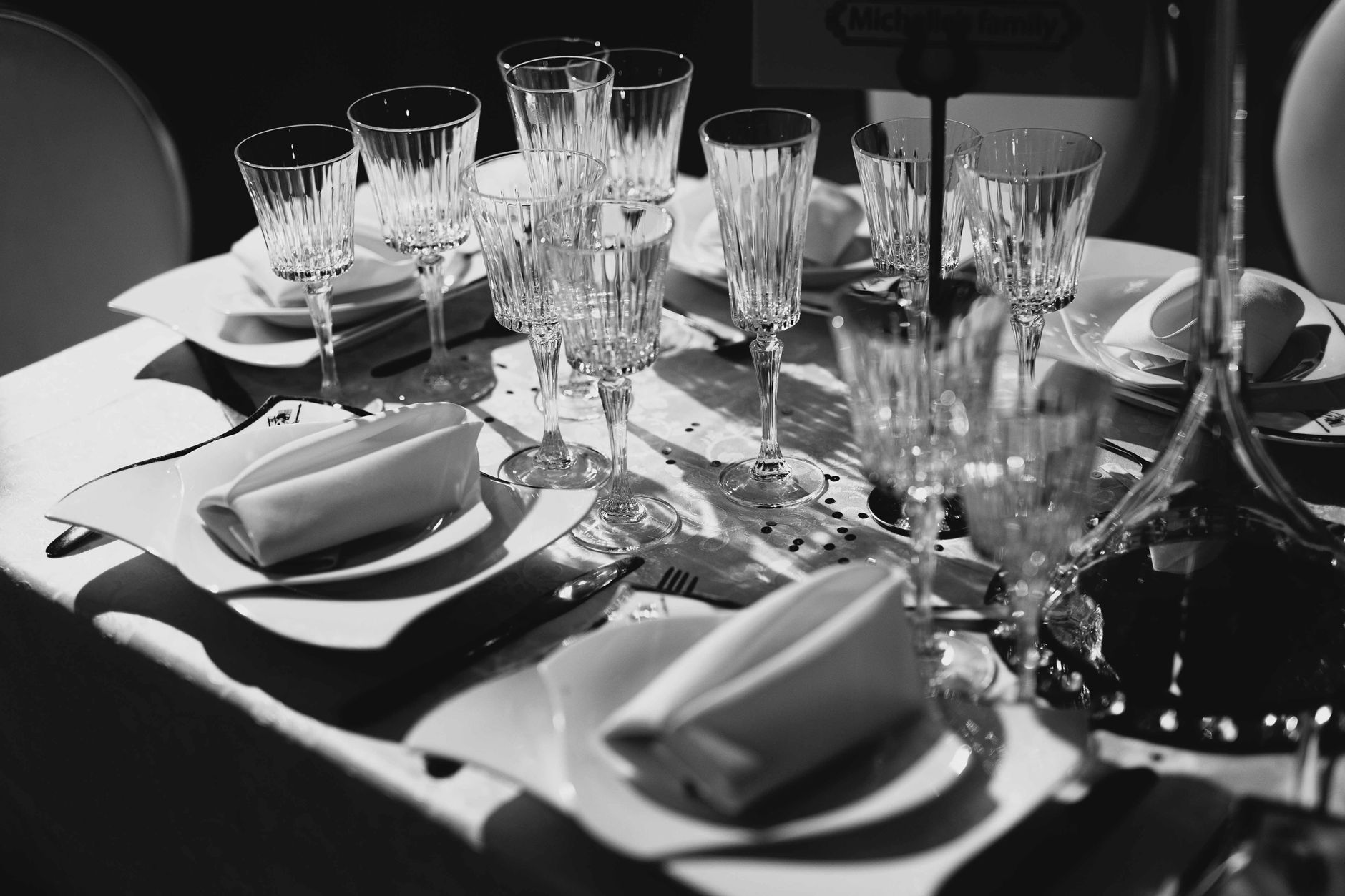
Food and beverage is almost always the largest single cost line in a Japanese wedding budget. Japanese wedding receptions prioritise exceptional quality — multi-course French or Japanese kaiseki meals, premium sake and wine pairings, and elaborate wedding cake cutting are all standard expectations at mid-to-upper tier venues. Per-person catering costs at hotel receptions typically range from ¥15,000 to ¥35,000 per guest for a full course dinner with drinks. At luxury properties this can reach ¥40,000–¥60,000 per person. For a 30-person dinner at a mid-range Kyoto hotel reception, budget roughly ¥20,000 × 30 guests = ¥600,000 just for catering. Add a venue hire fee of ¥150,000–¥300,000 and you are already at ¥750,000–¥900,000 before flowers, photography, or attire. This arithmetic is why 20–30 guest 'micro weddings' have become a popular and cost-effective format for international couples. If your guest list is small (under 15 people), a private dining room at a high-end restaurant is a smart alternative to a dedicated wedding venue. Renowned kaiseki restaurants in Kyoto like Kikunoi or Hyotei offer private room bookings and can accommodate small wedding celebrations with advance notice; budget ¥25,000–¥50,000 per person for kaiseki courses at this level. This removes venue hire costs entirely and often results in a more personal, authentic experience. Note that Japanese venues will charge consumption tax (currently 10%) on top of all quoted food and beverage figures, and a service charge of 10–15% is standard at hotels. Always confirm whether quoted prices are tax-inclusive (zei-komi) or tax-exclusive (zei-nuki) — the difference on a ¥1,000,000 food bill is ¥200,000–¥250,000.

Tip: Many venues offer a discounted 'off-peak' wedding package for weekday or low-season dates — savings of 15–25% are common for Monday–Thursday ceremonies.

Photography, Video, and the Dress: Expect Premium Prices

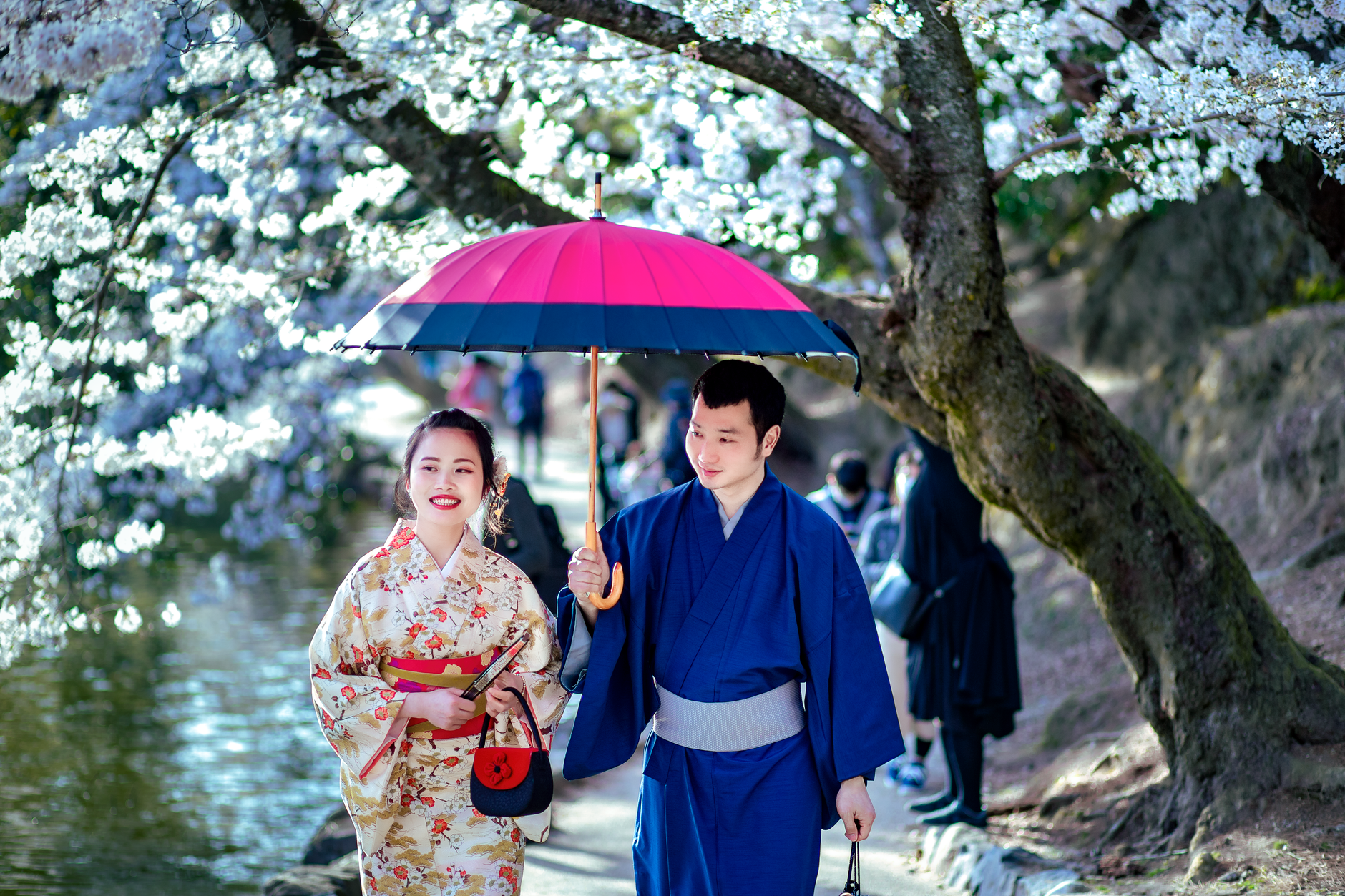
Wedding photography in Japan is taken extremely seriously, and the country has a world-class pool of bridal photographers. Expect to pay ¥200,000–¥500,000 for a full-day wedding photographer from a reputable studio or independent professional. Pre-wedding or 'engagement' photo sessions (mae-撮 or photo tours in kimono) are a separate popular add-on, typically ¥60,000–¥150,000 for a 2–3 hour session with digital files. If you want a videographer as well, add ¥150,000–¥350,000 for a same-day-edit or cinematic highlight film. Western wedding dresses can be purchased or rented in Japan. Rental from a major bridal salon (like Takami Bridal, Watabe Wedding, or Yumekukan) costs ¥150,000–¥400,000 for a designer gown, including alterations and accessories. Purchasing a dress from a Japanese bridal boutique runs ¥300,000–¥1,500,000+ for high-end designers. Men's suits and morning coats can be rented for ¥50,000–¥150,000. If wearing a furisode (formal long-sleeve kimono for unmarried women) or shiromuku as a bride, all-inclusive kimono styling packages — hair, makeup (keshō), dressing assistance (kitsuke), and rental — are typically ¥150,000–¥350,000 per person. Hair and makeup is almost always charged separately in Japan, even when booked through the venue. Bridal hair and makeup artists charge ¥50,000–¥120,000 for the wedding day. If you want a costume change (お色直し, o-iro-naoshi) — a beloved Japanese tradition of changing outfits mid-reception — budget an additional ¥50,000–¥100,000 for the second outfit rental and re-styling.

Tip: Some studios offer a 'photo wedding' package (fototomkon) that includes kimono or dress rental, professional photography, a small ceremony, and prints — these can be excellent value at ¥200,000–¥400,000 for two people with no guests.

Flowers, Décor, and Wedding Favours

Floral design in Japan is deeply influenced by ikebana aesthetics — expect clean lines, seasonal blooms, and thoughtful negative space even in Western-style arrangements. A bridal bouquet and ceremony florals from a Japanese florist typically cost ¥80,000–¥200,000. Full reception table centrepieces and venue florals for a 30-person event run ¥200,000–¥500,000 at mid-range. Luxury botanical installations at top-tier venues can easily exceed ¥1,000,000. Wedding favours (hikidemono) are a Japanese tradition where guests receive a gift of equal or near-equal value from the couple — traditionally sweets, lacquerware, or household items. For international weddings, this custom is optional, but many couples choose a small Japanese-made favour as a nod to local culture. Budget ¥2,000–¥5,000 per guest for thoughtful, locally crafted items such as artisan confectionery, tenugui hand towels, or small ceramic pieces. For 30 guests that is ¥60,000–¥150,000 total. If your venue does not include a wedding cake, an bespoke cake from a Japanese patisserie costs ¥30,000–¥120,000 depending on size and complexity. Japanese wedding cakes are often intricately decorated and very photogenic — some couples opt for a smaller display cake with a separate dessert table of wagashi (Japanese sweets) for guests, which adds ¥20,000–¥60,000.

Tip: Spring (cherry blossom season: late March–April) and autumn (foliage: October–November) command premium prices for florals and venue availability — book at least 12–18 months in advance for these dates.

Season, Location, and Hidden Costs That Catch Couples Off Guard

Japan has clear wedding high seasons: spring (late March–May) and autumn (September–November) are peak periods with higher venue costs, limited availability, and elevated travel costs. Summer weddings (June–August) are less popular domestically due to heat and humidity — particularly in Tokyo and Kyoto — but can offer better rates and are entirely viable, especially in Hokkaido where summers are mild and spectacular. Winter weddings (December–February) are the least popular season in Japan and can yield discounts of 20–30% at many venues, while still offering beautiful settings especially in snowy Tohoku or Hokkaido regions. Location significantly affects price. Tokyo venues are generally the most expensive, followed by Kyoto (especially for traditional venues), then Osaka, Hakone, and Okinawa. Okinawa has developed a strong wedding tourism infrastructure with resort venues, subtropical scenery, and competitive all-inclusive packages — it remains one of the best value-for-setting destinations in Japan for weddings, with beach chapel packages starting around ¥350,000 for two. Hidden costs to anticipate: (1) Venue 'set-up fees' (kaijō settei-hi) of ¥30,000–¥100,000 charged separately from hire. (2) Corkage fees if you bring your own alcohol — typically ¥1,000–¥3,000 per bottle. (3) Sound system and microphone hire ¥30,000–¥80,000 if not included. (4) Parking for guests. (5) Overnight hotel accommodation costs for yourself and guests — Kyoto and Tokyo hotels can run ¥25,000–¥80,000 per room per night in high season. (6) Translation services for legal documents from your home country, which can cost ¥15,000–¥50,000 depending on the language and number of documents. Tipping is not customary in Japan and is often refused — you do not need to budget for gratuities. Instead, it is common to give a small, beautifully wrapped omiyage (gift) to key vendors as a gesture of appreciation after the event.

Tip: Always confirm whether your venue's quoted package includes consumption tax and service charge — it is the single most common source of budget shock for international couples.

Sample Budgets: From Intimate to Grand

To make this concrete, here are three realistic budget scenarios for international couples. Budget Micro-Wedding (2 people + 10 close guests, Kyoto): Shinto ceremony at a smaller shrine ¥100,000 / Photography half-day ¥150,000 / Kimono rental and styling for two ¥300,000 / Private kaiseki dinner for 12 at a restaurant ¥360,000 (¥30,000 × 12) / Flowers and small favours ¥80,000 / Document translation and legal fees ¥40,000. Estimated total: ¥1,030,000 (~$6,800 USD). Mid-Range Wedding (2 people + 30 guests, Tokyo or Hakone): Hotel chapel ceremony fee ¥300,000 / Full-day photography and video ¥500,000 / Western dress rental and styling ¥350,000 / Reception catering at ¥20,000 per head for 32 ¥640,000 / Venue hire ¥200,000 / Florals ¥300,000 / Wedding cake ¥60,000 / Favours at ¥3,000 × 30 ¥90,000 / Tax and service charges (approx. 22%) ¥480,000. Estimated total: ¥2,920,000 (~$19,500 USD). Luxury Wedding (2 people + 50 guests, Ritz-Carlton Kyoto or Four Seasons Okinawa): Chapel or garden ceremony ¥500,000 / Full-day photography + cinematic video ¥800,000 / Designer dress purchase or high-end rental + kimono change ¥800,000 / Reception catering ¥35,000 × 52 ¥1,820,000 / Premium florals ¥700,000 / Wedding cake and dessert table ¥150,000 / Favours ¥5,000 × 50 ¥250,000 / Entertainment/string quartet ¥200,000 / Tax and service charges ¥900,000. Estimated total: ¥6,120,000 (~$41,000 USD). These figures are estimates based on 2024 market pricing and will vary depending on specific vendor choices, season, and customisation. Working with a local Japan wedding planner — whose fees typically run ¥150,000–¥400,000 but who often save you more than that through vendor relationships and avoided mistakes — is strongly recommended for any mid-range or above celebration.

Tip: Ask your planner or venue about 'campaign plans' (kyampēn puran) — Japanese wedding venues regularly offer seasonal promotions with meaningful discounts for bookings made within a specific window.