日本樱花婚礼:最佳时机与绝美场地全攻略
Weddings 8 min read

日本樱花婚礼:最佳时机与绝美场地全攻略

Why Cherry Blossom Season Is Japan's Most Magical Time to Marry

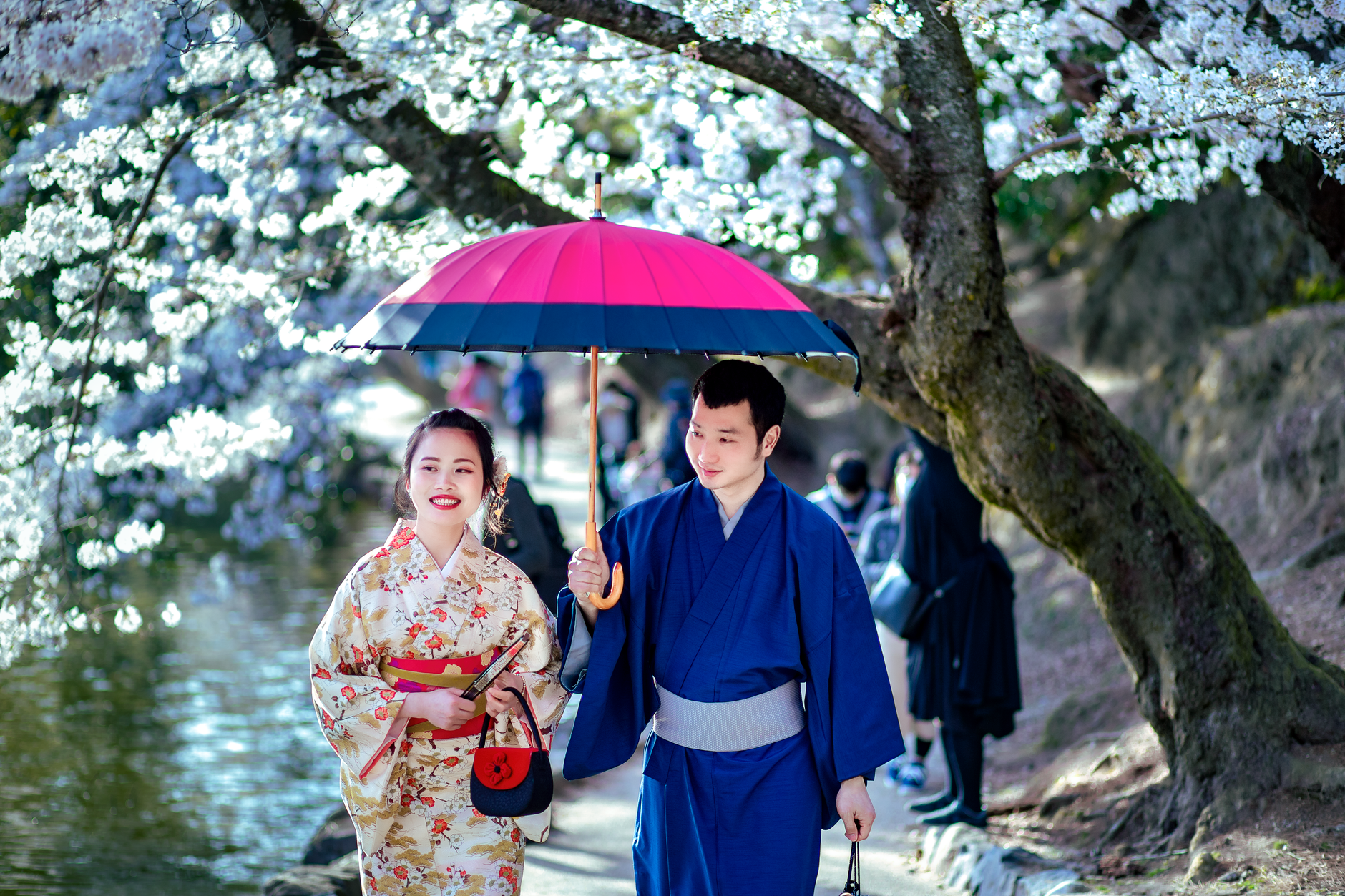
Cherry blossom season — known in Japanese as sakura season — transforms Japan into a living painting of soft pink and white. For international couples, the symbolism could not be more fitting: in Japanese culture, sakura represents the beauty of fleeting moments, new beginnings, and the preciousness of life shared with others. Tying the knot beneath blooming cherry trees carries a depth of meaning that resonates far beyond aesthetics. Sakura season also coincides with the arrival of spring warmth, making outdoor ceremonies genuinely comfortable. Daytime temperatures in Tokyo and Kyoto during peak bloom typically range from 12°C to 18°C (54°F–64°F) — cool enough to be elegant in formal wear, warm enough to celebrate outdoors without discomfort. Golden-hour light filtering through pale pink petals creates photography conditions that professional photographers describe as nearly impossible to replicate at any other time of year. Demand for sakura-season weddings is exceptionally high among both Japanese and international couples. Venues in prime cherry blossom locations book 12 to 18 months in advance, and some of Japan's most iconic garden venues have waiting lists. If a sakura wedding is your dream, early planning is not just advisable — it is essential.

Tip: Start your venue search at least 12–18 months before your intended date, and be flexible with days of the week. Weekday ceremonies are often more available and can be 20–30% less expensive than weekend slots.

Understanding Bloom Timing: When Sakura Actually Peaks

Japan's cherry blossom season does not follow a fixed calendar date — it follows temperature. The Japan Meteorological Corporation (JMC) and the Japan Meteorological Agency both publish annual sakura forecasts, typically released in late January or early February each year. In a warm year, Tokyo's famous Somei Yoshino cherry trees may reach full bloom (mankai) as early as late March; in a cooler year, peak bloom may arrive in early April. Bloom timing varies significantly by region. In Kyoto, full bloom typically falls between late March and early April, often within a few days of Tokyo. Osaka generally mirrors Kyoto. Moving north, Tohoku (such as Hirosaki in Aomori) peaks in late April to early May, while Hokkaido's blooms arrive in late April to early May as well — offering couples an extended window. Conversely, Okinawa's sakura (primarily Kanhizakura, a different variety) blooms much earlier, from late January to early February. The window of full bloom — when at least 80% of blossoms are open — typically lasts only 7 to 10 days at any given location. A single heavy rainstorm or unusual warmth can shorten this window further. Wedding planners in Japan strongly recommend building at least a 10-day buffer into your trip, arriving before predicted peak bloom to allow for weather variation. Full bloom is followed by the equally beautiful 'hanafubuki' (flower blizzard) stage, when petals begin to fall like snow. Many photographers and couples consider this stage equally or more romantic than full bloom, and it extends your usable sakura window by several additional days.

Tip: Bookmark the JMC's official sakura forecast page (jmc.co.jp) and the Japan Weather Association's forecasts (tenki.jp/sakura/) and check them from February onward. Set up Google Alerts for 'sakura forecast [year]' to catch updates automatically.

Top Cherry Blossom Wedding Venues in Japan

Shinjuku Gyoen National Garden in Tokyo is one of the most beloved sakura locations in the country, housing over 1,000 cherry trees of 65 different varieties. The variety range means blooms last longer here than at single-variety parks — often spanning late March through mid-April. The garden itself does not host formal wedding ceremonies, but many couples use its surroundings for photo shoots and then hold legal or symbolic ceremonies at nearby hotels or chapels. The Park Hyatt Tokyo and Bellesalle Shinjuku are popular nearby ceremony partners. In Kyoto, Maruyama Park surrounds the famous weeping cherry tree (shidare-zakura), one of Japan's most photographed trees. Nearby venues such as the Westin Miyako Kyoto offer sakura-view ceremony packages starting from approximately ¥1,500,000 to ¥3,000,000 (USD $10,000–$20,000 at current rates) for a 20–30 guest ceremony inclusive of venue, officiant, and basic florals. The Kyoto State Guest House and several machiya (townhouse) venues near Gion also offer intimate elopement-style packages. Hirosaki Castle Park in Aomori Prefecture is arguably Japan's single most spectacular cherry blossom location, with over 2,600 trees reflected in castle moat waters during late April. Several local wedding planners now offer castle park backdrop ceremonies, with castle-view photography sessions priced at around ¥80,000–¥150,000. The later bloom timing also means this destination experiences less competition than Tokyo or Kyoto. For couples seeking something unconventional, the Philosopher's Path (Tetsugaku-no-Michi) in Kyoto — a 2km canal walkway lined with hundreds of cherry trees — is a stunning backdrop for intimate elopement-style photo ceremonies. Local officiants and planners can arrange informal blessing ceremonies here, with packages typically starting from ¥200,000–¥400,000.

Tip: If your budget allows, consider Kyoto on a weekday morning before 9am. The famous sakura locations are significantly less crowded, and your ceremony or photo session will feel genuinely private.

Legal Requirements for International Couples Marrying in Japan

Japan recognizes legally binding civil marriages for foreign nationals, but the process requires careful paperwork. To marry legally in Japan, both parties must submit a 'Kon-in Todoke' (marriage notification form) to the local municipal office (city hall or ward office). This must be accompanied by your country's official documentation proving you are legally eligible to marry — typically a Certificate of Eligibility to Marry (or equivalent), officially translated into Japanese by a certified translator. The specific documents required vary by nationality. Many countries' embassies in Tokyo provide an 'Affidavit of Competency to Marry' or equivalent document. The U.S. Embassy, for example, provides an Affidavit in Lieu of a Certificate of Legal Capacity to Contract Marriage. The UK, Australia, and Canada have similar processes. Allow 4–8 weeks to gather and translate all documents before your Japan arrival date. Importantly, Japan does not currently recognize same-sex marriages at the national legal level, though several cities (including Tokyo, Osaka, and Sapporo) offer partnership certificates (パートナーシップ制度) that carry social recognition. Many international same-sex couples choose Japan for a symbolic or ceremonial wedding while making their marriage legally official in their home country before or after their Japan trip. Once your Kon-in Todoke is accepted at the municipal office (no witnesses or ceremony required — this is an administrative filing), you are legally married in Japan. This Japanese marriage registration is then typically recognized in your home country, though you should verify this with your home country's embassy or legal counsel.

Tip: Contact your country's embassy in Tokyo at least 3–4 months before your wedding date to confirm current documentation requirements, as these do change. HelloJapan's coordinator team can connect you with a certified legal translation service to simplify this process.

Ceremony Styles: Western Chapel, Shinto Shrine, or Garden?

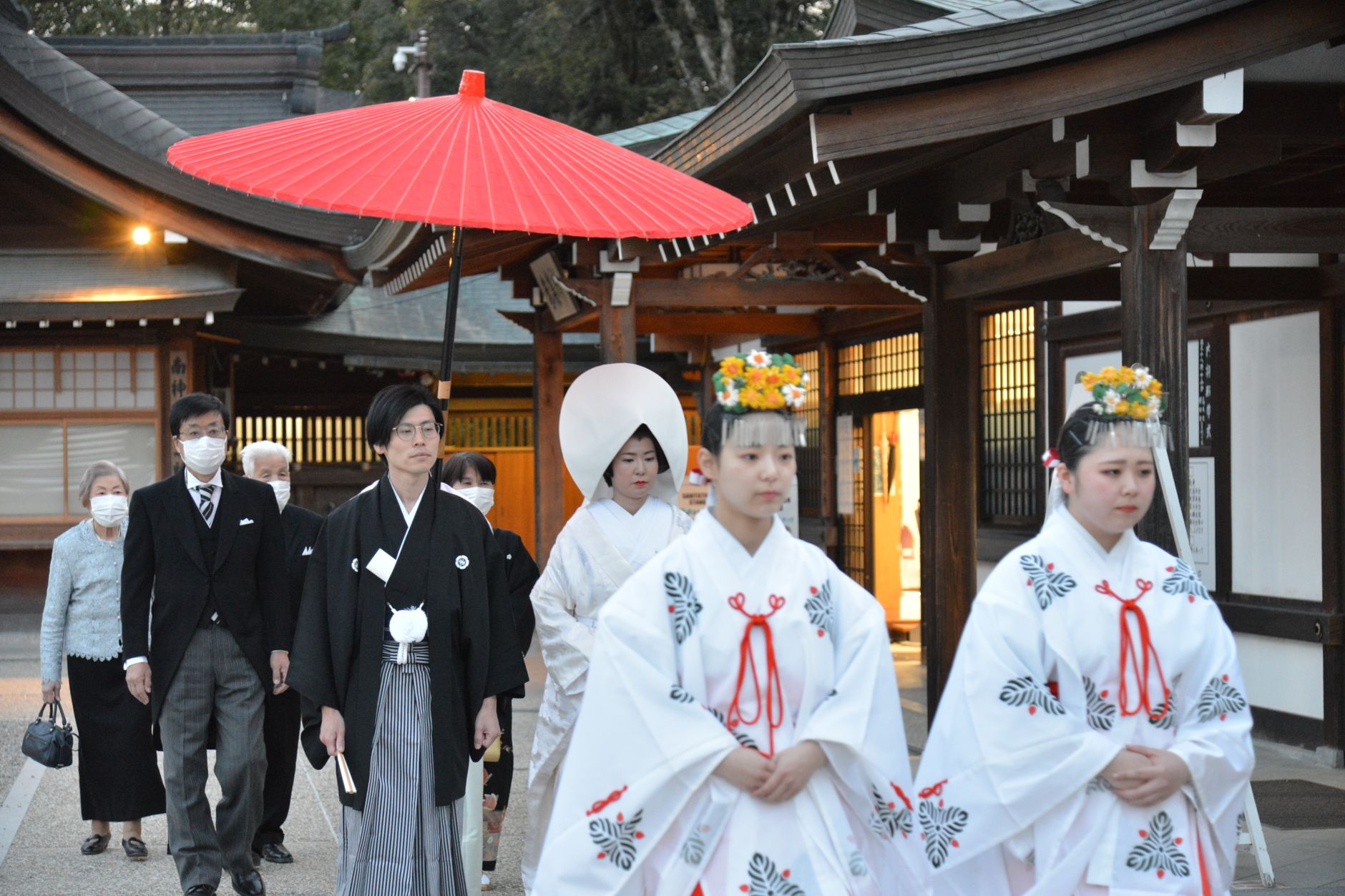
International couples in Japan typically choose from three ceremony styles: a Western-style chapel ceremony, a traditional Shinto shrine ceremony, or a garden/outdoor blessing ceremony. Each has distinct aesthetics, costs, and logistical considerations during sakura season. Western chapel ceremonies at major hotels (such as the Grand Hyatt Tokyo, ANA Intercontinental Tokyo, or The Prince Park Tower) offer a familiar structure with Japanese touches. These are the most accessible option for international couples, as venues typically have English-speaking coordinators and standardized packages. Sakura-season chapel packages at five-star Tokyo hotels typically range from ¥2,000,000 to ¥5,000,000 ($13,000–$33,000) for 20–40 guests, inclusive of ceremony, reception dinner, florals, and basic photography. Shinto shrine ceremonies (shinzen shiki) are deeply meaningful and visually stunning, but availability to non-Japanese couples varies by shrine. Some shrines — including Meiji Jingu in Tokyo and Heian Jingu in Kyoto — do accept international couples with advance coordination through a licensed wedding planner. You will typically wear a traditional white shiromuku kimono and formal montsuki hakama, which can be rented through your wedding planner for approximately ¥100,000–¥300,000 per person. The ceremony itself involves a Shinto priest, sacred sake rituals, and san-san-kudo (the sharing of sake three times three) — a profoundly beautiful experience. Garden blessing ceremonies with a non-denominational officiant are the most flexible option for cherry blossom settings. These can be arranged at private gardens, rooftop venues, or even within certain public parks under permit. They are not Japanese legal marriages on their own, but combined with a civil filing at the municipal office (or a legal ceremony in your home country), they fulfill every ceremonial need. Budget from ¥300,000 for a simple officiant-led ceremony with a photographer, up to ¥2,000,000+ for a styled garden ceremony with catering and florals.

Tip: If a Shinto ceremony is your dream, book at least 18 months in advance and be prepared to work exclusively through a shrine-affiliated or shrine-approved wedding planner. Attempting to arrange this directly without a Japanese-speaking coordinator is very difficult.

Budgeting Your Sakura Wedding in Japan

Costs for cherry blossom weddings in Japan span an enormous range depending on guest count, venue tier, and services included. For a two-person elopement-style experience (couple plus photographer and officiant), realistic budgets start at approximately ¥400,000–¥800,000 ($2,700–$5,300) — covering a photo ceremony, officiant blessing, professional photography for 4 hours, kimono rental for both, and hair and makeup styling. This does not include flights, accommodation, or the cost of filing legal marriage documents. For a small intimate wedding of 10–20 guests with a full sit-down reception dinner, expect a total budget of ¥3,000,000–¥6,000,000 ($20,000–$40,000) at a quality Tokyo or Kyoto venue. This typically includes venue hire, ceremony, multi-course kaiseki or French-Japanese fusion reception dinner, florals, a wedding cake, photography, videography, and basic coordination. Costs rise considerably above this for larger guest lists or for premium iconic venues. Hidden costs that international couples frequently underestimate include: certified document translation (¥30,000–¥80,000), legal consultation (¥20,000–¥50,000), wedding dress shipping or local rental (¥80,000–¥300,000 for rental), gratuity for ceremony staff (customarily presented in noshi envelopes — typically ¥5,000–¥30,000 per person depending on role), and accommodation during peak sakura season, which commands premium rates. A Kyoto ryokan or Tokyo luxury hotel room during cherry blossom peak can cost ¥60,000–¥150,000 per night. Note that Japan's consumption tax (currently 10%) applies to most wedding services, and many venues add a service charge of 10–15%. Always confirm whether quoted prices are tax-inclusive or exclusive.

Tip: Ask vendors to provide itemized quotes in writing with tax clearly stated. A reputable Japan wedding planner will provide a comprehensive breakdown — be cautious of package prices that seem unusually low, as hidden fees are common in the industry.

Practical Planning Timeline for Your Sakura Wedding

Given that cherry blossom peak is an unpredictable 7–10 day window, planning a sakura wedding requires a slightly different mindset than a standard wedding date. The most successful approach is to book your venue for a specific date (typically in the last week of March or first week of April for Tokyo/Kyoto), secure your professional photographer and planner, and then build flexibility into your schedule for the peak photography moments — accepting that the blooms may be a few days early or late relative to your ceremony date. 18–12 months before: Research and shortlist venues, contact a Japan-based international wedding planner, begin passport and legal document review. 12–9 months before: Confirm and deposit your venue, book your photographer and videographer (the best cherry blossom photographers book out extremely early), begin embassy document process. 6–4 months before: Finalize florals and catering, arrange kimono or dress fittings if doing rental, book accommodation and travel. 2–1 months before: Complete legal document translation, file documents with relevant embassies, confirm all vendors with final timelines. 2 weeks before travel: Check latest sakura forecasts and adjust schedule if needed. Day of: Embrace whatever nature brings — late blooms, petal-fall, or gentle rain are all genuinely beautiful. Traveling to Japan during sakura season means navigating Japan's busiest domestic travel period. The combination of spring school holidays (spring break typically falls in late March) and Golden Week (late April to early May) compresses huge numbers of Japanese and international tourists into the same window. Shinkansen (bullet train) tickets between major cities should be reserved 30 days in advance when booking opens via JR's reservation system or JR Pass. Finally, consider registering your Japanese marriage at your home country's embassy or consular office in Japan, or at a registry office when you return home, to ensure your marriage is formally recognized in your home jurisdiction. Requirements vary by country — your Japanese wedding planner or HelloJapan's legal coordination service can guide you through this final step.

Tip: Purchase comprehensive travel insurance that includes trip delay and schedule-change coverage. Typhoons and late-season cold snaps are rare in sakura season but do occur, and having coverage gives you peace of mind to enjoy every moment of your Japan wedding journey.