在日本举办目的地婚礼:完整时间线与筹备清单
Weddings 9 min read

在日本举办目的地婚礼:完整时间线与筹备清单

Why Japan Is a Dream Destination Wedding Location

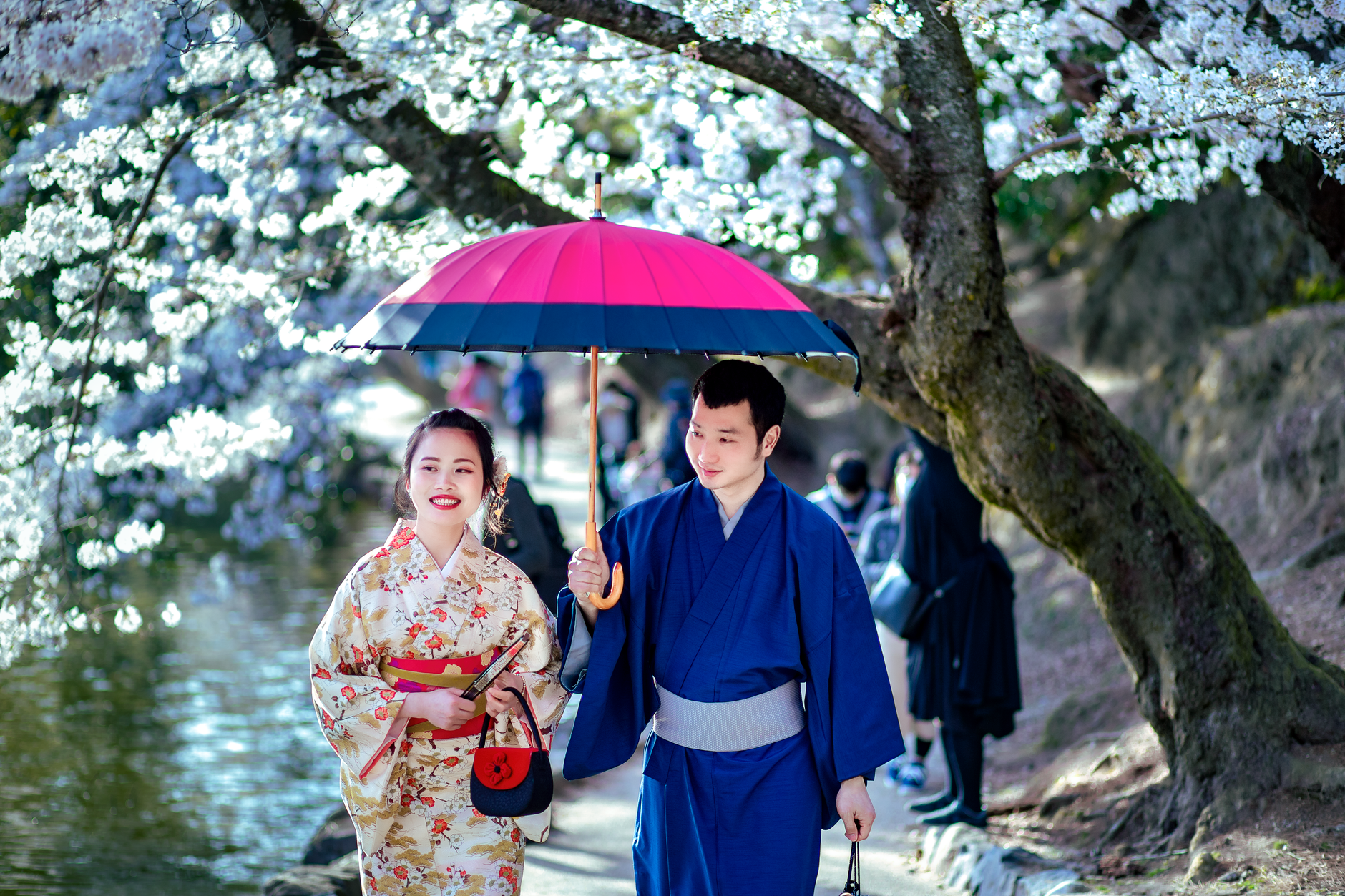
Japan offers an extraordinary range of wedding backdrops—from Kyoto's moss-covered Shinto shrines and Nara's bamboo forests to Tokyo's ultramodern skyline venues and Okinawa's white-sand beaches. Unlike many Western destinations, Japan allows couples to blend two distinct ceremony styles: a traditional Shinto ceremony (shinzen shiki) conducted by a Shinto priest, or a chapel-style Western ceremony (kirisutokyō shiki) performed in an English-language service. Both are widely available to international couples and do not require either partner to be Japanese. The country's reputation for meticulous service, kaiseki cuisine, and high visual aesthetics means your wedding day will be executed with extraordinary attention to detail. Professional wedding planners at dedicated 'wedding halls' (kekkon shikijō) or hotel banquet teams speak English and regularly handle international clients. Popular ceremony cities include Kyoto, Tokyo, Niseko (for a winter setting), and the Kerama Islands in Okinawa. Japan also gifts couples with striking seasonal photography opportunities: cherry blossoms (sakura) in late March–early April, vivid summer festivals and greenery in July–August, crimson autumn maples (koyo) in mid-November, and snow-laden temples in January–February. Each season carries its own mood and its own logistical considerations.

Tip: Cherry blossom season and autumn foliage weekends book up 12–18 months in advance. Start venue conversations early if those windows matter to you.

Understanding the Legal Side: What 'Legal' Actually Means in Japan

This is the single most misunderstood aspect of Japan destination weddings. Japan does allow foreign nationals to register a legal marriage at a local municipal office (shiyakusho), but the process requires specific documents and can take several weeks to prepare. You will need: a valid passport, an Affidavit of Competency to Marry (or equivalent 'Certificate of No Impediment') issued and apostilled by your home country's embassy or consulate in Japan, and in some municipalities a certified Japanese translation of all foreign-language documents. Once documents are accepted, the marriage is registered under the Japanese Family Registry (koseki) system. Japan recognizes the marriage immediately; your home country will also recognize it provided you follow any required registration steps when you return (e.g., filing with a registry office in the UK, or updating records with the U.S. Embassy). Processing at the municipal office typically takes one business day, but document preparation can take 1–4 weeks depending on your nationality. Many international couples choose to get legally married in their home country before or after their Japan ceremony, then hold a symbolic ceremony in Japan. This is completely valid and extremely common—it removes document stress entirely and lets you focus on the celebration. Your Japan-based wedding planner can clarify which approach suits your nationality and timeline.

Tip: Contact your home country's embassy in Tokyo or Osaka well before your trip to request the correct Affidavit form—processing can take 2–4 weeks and may require an appointment.

Building Your Timeline: 18 Months to Wedding Day

18–12 months out: Set your budget, preferred season, and ceremony style. Research and contact 3–5 venues. If aiming for cherry blossom or koyo season, sign venue contracts by the 15-month mark. Begin passport and visa checks for all traveling guests—Japan requires no visa for stays under 90 days for most Western nationalities, but check requirements for your full guest list. 12–9 months out: Confirm your venue and pay the deposit (typically 30–50% of the venue fee). Engage a bilingual local wedding coordinator if your venue doesn't provide one. Begin designing your guest experience: accommodation blocks, airport transfers, and optional group activities like tea ceremony or kimono rental. Send save-the-dates with estimated costs so guests can budget for flights from their home country—round-trip airfares from Europe or North America typically range from ¥80,000–¥200,000 per person depending on season and booking lead time. 9–6 months out: Book florists, photographers (especially important—confirm they shoot in Japan regularly and own a Japan-based business), hair and makeup artists (most venues have preferred vendor lists), and catering or cake designers. Finalize your ceremony script and music. Begin gathering legal documents if registering in Japan. 6–3 months out: Send formal invitations with a RSVP deadline, confirm final guest counts with the venue, schedule dress fittings (if renting a shiromuku—white kimono—or Western gown in Japan, book alteration appointments), and arrange rehearsal logistics. Final month: Confirm all vendor details, finalize seating and menu choices, arrange yen cash for vendor gratuities, and enjoy at least one day of genuine sightseeing.

Tip: Keep a shared spreadsheet of all vendor contacts, contract details, and payment due dates. Japan's business culture values punctual payments—late deposits can cost you your slot.

Choosing Your Venue: Shrines, Gardens, Hotels & Unique Spaces

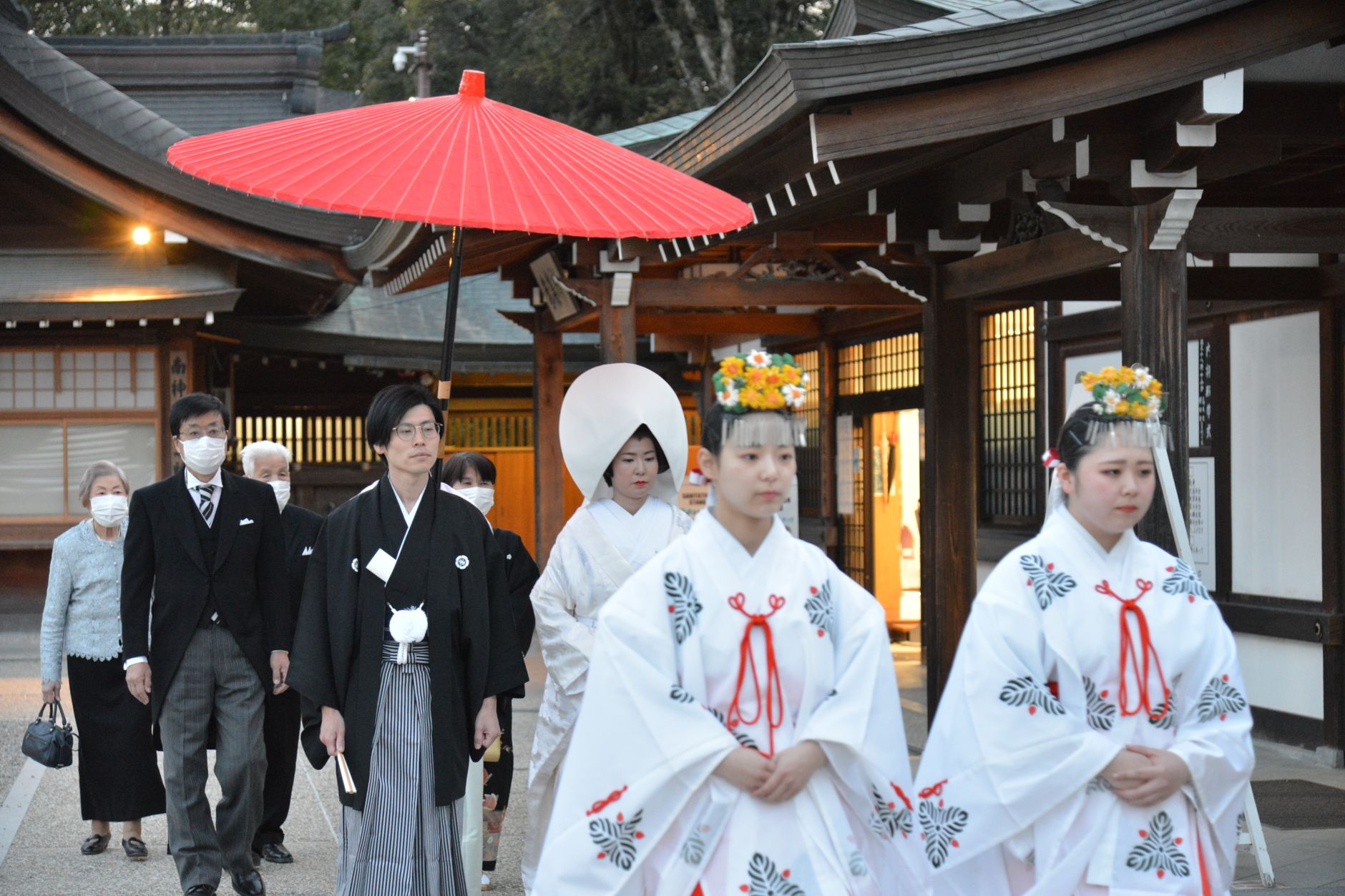
Shinto shrine ceremonies are held at registered wedding shrines such as Meiji Jingu (Tokyo), Heian Jingu (Kyoto), and Sumiyoshi Taisha (Osaka). Shrine ceremonies are steeped in ritual: the couple wears traditional Japanese wedding attire (shiromuku for the bride, haori hakama for the groom), a priest performs purification rites, and both partners drink sacred sake in the san-san-kudo ritual. Shrine ceremony fees typically range from ¥100,000–¥300,000 excluding attire and photography. Note that some shrines require at least one partner to be Japanese; others welcome international couples fully—always confirm in advance. For Western-style ceremonies, hotel wedding chapels and standalone chapel venues are abundant in all major cities. Properties like The Ritz-Carlton Kyoto, Park Hyatt Tokyo, and Halekulani Okinawa offer full-service international wedding packages with English-speaking coordinators, and packages can range from ¥1,500,000 to ¥5,000,000+ for 20–40 guests, covering ceremony, banquet, florals, and a coordinator. Boutique options such as renovated machiya (townhouse) venues in Kyoto's Gion district offer intimate settings for parties of 10–20 at comparably lower price points. Outdoor garden ceremonies are popular in spring and autumn. Venues like the gardens at Shinjuku Gyoen (private hire), Hamarikyu, or private villa properties in Hakone or the Izu Peninsula allow fully customized setups. Weather contingency planning is essential—Japan has a rainy season (tsuyu) running roughly mid-June to mid-July, and typhoon risk peaks in August–September, so outdoor venues should always include a backup indoor option in the contract.

Tip: Ask venues directly about their 'foreigner-friendly' policy (外国人カップル対応). Most hotel venues are fully equipped; some traditional shrine venues may have additional documentation requirements.

Budgeting Honestly: What a Japan Destination Wedding Actually Costs

A realistic small destination wedding in Japan (20–30 guests, Western chapel ceremony, sit-down reception dinner at a good hotel) starts at approximately ¥2,000,000–¥3,500,000 (roughly USD 13,000–23,000 at 2024 exchange rates). This typically covers venue hire, basic florals, a 3-course wedding dinner with open bar, a standard photo package, and coordination fees. Couples choosing luxury hotels, elaborate florals, a second outfit change (お色直し, o-ironaoshi—very popular in Japan), and full-day professional photography and videography can expect budgets of ¥5,000,000–¥12,000,000 for 30–50 guests. Key line items to budget separately: wedding attire rental (shiromuku + uchikake layers can run ¥200,000–¥600,000; Western gown rental ¥100,000–¥350,000), professional hair and makeup (¥50,000–¥120,000 per session), wedding cake (¥50,000–¥150,000), wedding favors (Japanese confectionery, custom tenugui cloths, or sake sets are popular—budget ¥3,000–¥8,000 per guest), and interpreter or bilingual MC fees (¥50,000–¥100,000). Japan weddings traditionally include guest gifts (引き出物, hikidemon)—a formal package of gifts given to each attending couple, typically valued at 30–50% of the expected monetary gift (goshugi). International couples can adapt this custom or simplify it, but your Japanese coordinator can advise on what guests who are Japanese will appreciate culturally.

Tip: Japan's wedding industry prices are largely fixed—haggling is not culturally appropriate. Instead, ask vendors what's included and where upgrades add the most value.

Attire, Hair & Beauty: Embracing Japanese Bridal Tradition

One of the greatest joys of a Japan wedding for international couples is the option to wear traditional Japanese bridal attire. The shiromuku is a pure white, heavily layered kimono representing purity, often worn with a watabōshi (white hood) or tsunokakushi headpiece. The uchikake is a vibrant, embroidered outer robe worn over the kimono at the reception—typically red, gold, or deep navy. Full kimono dressing (kitsuke) is a skilled art performed by a professional dresser; the process takes 60–90 minutes and is a ceremony in itself. Most major bridal studios and hotel bridal salons offer kimono packages for non-Japanese brides with no experience required. Many couples choose to wear Western attire for the chapel ceremony and change into Japanese attire for the reception, or vice versa. This outfit change (o-ironaoshi) is a beloved Japanese wedding tradition and can be incorporated even at Western-style venues. Your venue coordinator will schedule this into the day's timeline, typically allowing 20–30 minutes for the change while guests enjoy drinks and canapes. For hair and makeup, Japanese bridal stylists are world-class. Traditional Japanese bridal hair (bunkin takashimada—a structured, lacquered wig) is available at formal kitsuke studios. Contemporary Japanese bridal makeup leans toward porcelain skin, defined eyes, and soft pink lips—a style that photographs beautifully in Japan's natural light. Ask your stylist for their portfolio of international clients to ensure they're experienced with different skin tones.

Tip: Book your bridal attire fitting appointment at least 6 months in advance, especially if renting a shiromuku in Kyoto or Tokyo during peak wedding seasons (April–May and October–November).

Your Master Pre-Wedding Checklist

Legal & administrative: ✓ Check visa requirements for all guests. ✓ Obtain Affidavit of Competency to Marry from your embassy (if legally marrying in Japan). ✓ Confirm apostille requirements for your nationality. ✓ Register marriage at municipal office (or confirm home-country legal ceremony plan). ✓ Update passports to married name after return if desired. Venue & vendors: ✓ Venue contract signed with weather contingency clause. ✓ Bilingual wedding coordinator confirmed. ✓ Photographer with Japan experience booked (and has permits for shrine/garden locations if needed). ✓ Florist consulted on seasonal flowers (peonies in June, chrysanthemums in autumn, plum blossoms in February). ✓ Catering menu finalized including dietary requirements communicated in Japanese to the kitchen. ✓ Bilingual or English-speaking MC confirmed. Guest experience: ✓ Accommodation block reserved near venue. ✓ Welcome bag prepared (Suica IC card, local snack selection, ceremony day schedule, emergency Japan contact numbers). ✓ Group activity options communicated (tea ceremony, onsen ryokan night, sake brewery tour). ✓ Transportation from airport and between ceremony/reception venues arranged. Day-of: ✓ Vendor gratuity envelopes prepared in cash yen (noshiukuro envelopes if following Japanese custom). ✓ Emergency kit packed (safety pins, blister plasters, portable fan or hand warmers depending on season). ✓ Wedding rings cleared through customs documentation if bringing from abroad. ✓ Personal vows reviewed with your interpreter if ceremony is bilingual.

Tip: Japan's IC cards (Suica/ICOCA) are the single most useful gift you can give arriving guests—preload ¥3,000 each and they'll navigate trains from day one without confusion.