Kawaguchiko: The Classic Fuji Day Trip
Kawaguchiko is the most popular Mt Fuji viewing base, reachable in 2 hours by direct highway bus from Shinjuku Bus Terminal (¥2,200 one-way, Fujikyu/Keio). Buses depart every 30 minutes. The Fuji Panoramic Ropeway (¥900 round trip) ascends Mt Tenjo for an iconic Fuji-over-lake panorama. Rent a bicycle (¥1,500/day from shops near the station) to circle the north shore. The Kawaguchiko Music Forest (¥1,800) offers manicured gardens with Fuji backdrop, and Itchiku Kubota Art Museum (¥1,300) showcases stunning kimono art.
Tip: Take the earliest bus (6:45am from Shinjuku) — morning is when Fuji is clearest, and by afternoon clouds often shroud the summit.
Chureito Pagoda: The Iconic Photo Spot
The five-story Chureito Pagoda with Mt Fuji behind it is one of Japan's most photographed scenes. Located in Fujiyoshida, it's accessible by train from Kawaguchiko (10 min on Fujikyu Railway, ¥230) to Shimoyoshida Station, then a 10-minute walk plus 398 stone steps up to the viewpoint. The pagoda belongs to Arakurayama Sengen Shrine (free entry, open 24 hours). Cherry blossom season (mid-April) is the money shot, but autumn foliage (November) is equally spectacular and far less crowded.
Tip: Arrive before sunrise for photos without hundreds of other photographers — the pagoda is accessible 24 hours and dawn light on Fuji is extraordinary.
5th Station Visit (No Climbing Required)
Mt Fuji's Subaru Line 5th Station sits at 2,305 meters and is accessible by bus from Kawaguchiko (50 min, ¥1,570 one-way, included in some passes). At this altitude you're above the clouds with Fuji's cone towering directly above. The station has souvenir shops, a post office (mail a letter with the Fuji postmark), and short walking trails. The Ochudo trail (30 min loop) offers panoramic views without altitude sickness risk. Note: the Subaru Line road is closed to private cars during summer climbing season (July-September).
Tip: The 5th Station is 10-15°C cooler than Tokyo — bring a jacket even in summer. Altitude can cause mild headaches; stay hydrated.
Alternative Fuji Viewpoints
Lake Shoji (smallest of the Five Lakes) offers mirror-image Fuji reflections with virtually no tourists — the ¥1,000 sento at Shoji has an outdoor bath facing the mountain. Oshino Hakkai (free, 25 min bus from Kawaguchiko) is a village with eight crystal-clear spring-water pools reflecting Fuji, plus traditional thatched-roof houses. From Tokyo itself, Fuji is visible from Bunkyo Civic Center observation deck (free, 25th floor) on clear winter days, and from the shinkansen between Mishima and Shin-Fuji stations.
Tip: Oshino Hakkai's tofu shop serves fresh spring-water tofu for ¥300 — one of the purest flavors you'll taste in Japan.
Best Season & Practical Tips
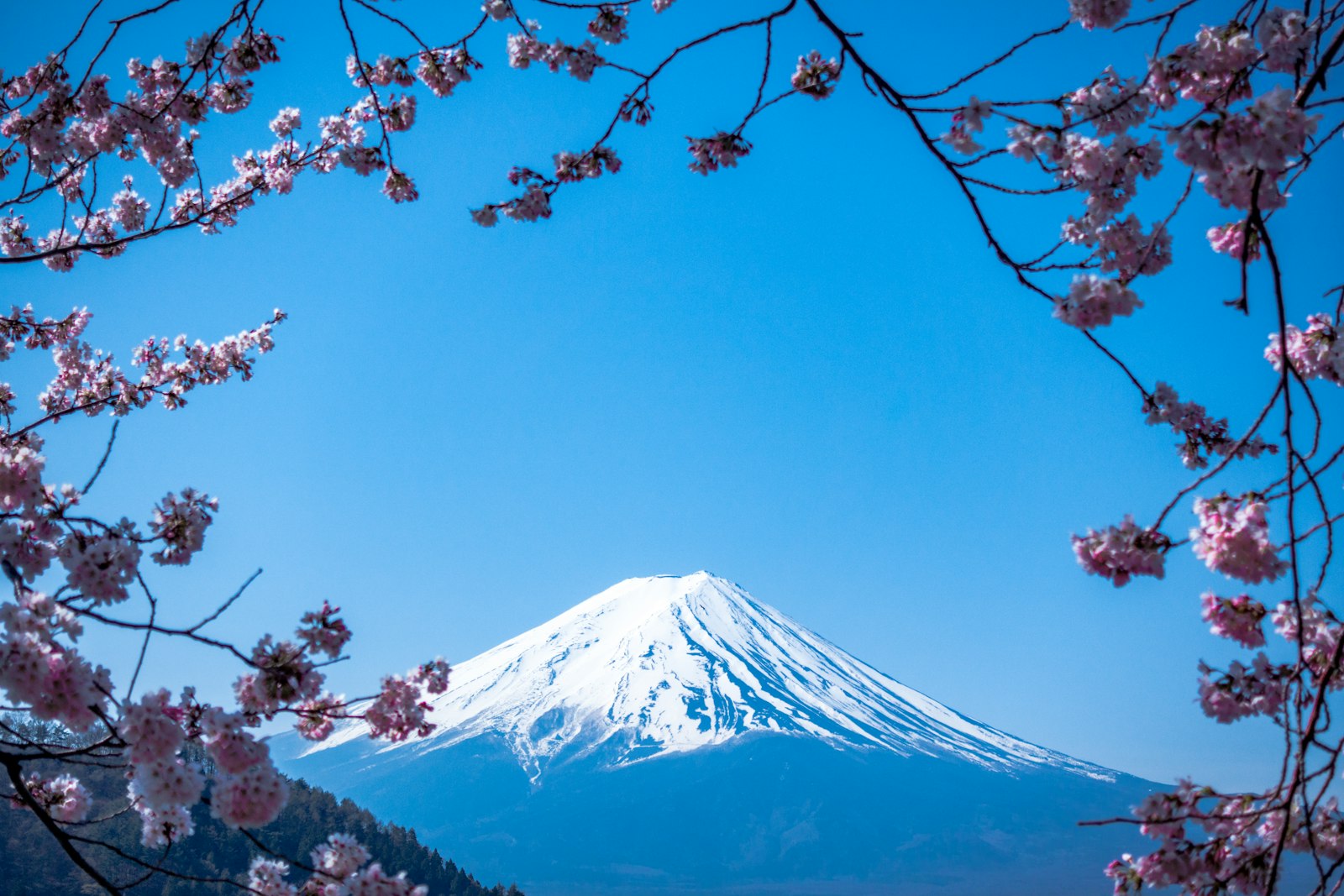
Fuji is most visible October through March when dry air reduces haze. Summer (July-August) has the worst visibility but allows climbing. The snow-capped look (the postcard image) runs November to May. Budget ¥6,000-8,000 for a day trip including transport, ropeway, and meals. The Mt Fuji Pass (¥5,500/2-day) covers Fujikyu buses, trains, and ropeway — excellent value if you plan to explore multiple spots. Bring cash; many Fuji-area shops don't accept cards.