Getting to Koyasan
Koyasan sits atop an 800-meter mountain plateau, accessible from Osaka-Namba via Nankai Railway (2.5 hours total, ¥1,680 + cable car ¥410). Take the Nankai Koya Line limited express to Gokurakubashi (80 min, reserved seat +¥790), then a 5-minute cable car to Koyasan. From the cable car station, buses connect to the town center (¥210, 10 min). The Koyasan World Heritage Ticket (¥3,400 from Namba) includes round-trip train, cable car, and unlimited Koyasan bus — excellent value. From Kyoto, transfer at Namba (total 3+ hours).
Tip: The Koyasan World Heritage Ticket saves about ¥1,500 over buying everything separately and eliminates ticket-buying hassle at every stage.
Okunoin: Japan's Most Spiritual Walk
Okunoin is a 2-kilometer cemetery path leading to the mausoleum of Kobo Daishi (Kukai), founder of Shingon Buddhism (774-835 AD). Over 200,000 tombstones and memorial markers line the path through ancient cedar forest — including monuments for major corporations (there's a rocket-shaped one from an aerospace company and a coffee cup from UCC). The atmosphere is profoundly peaceful. The path ends at the Torodo (Hall of Lamps) where 10,000+ lanterns burn perpetually. Kobo Daishi is believed to be in eternal meditation behind this hall.
Tip: Walk Okunoin at dusk or dawn for an otherworldly experience — the night tour (available through some temple lodges) with lanterns is unforgettable.
Temples & Sites
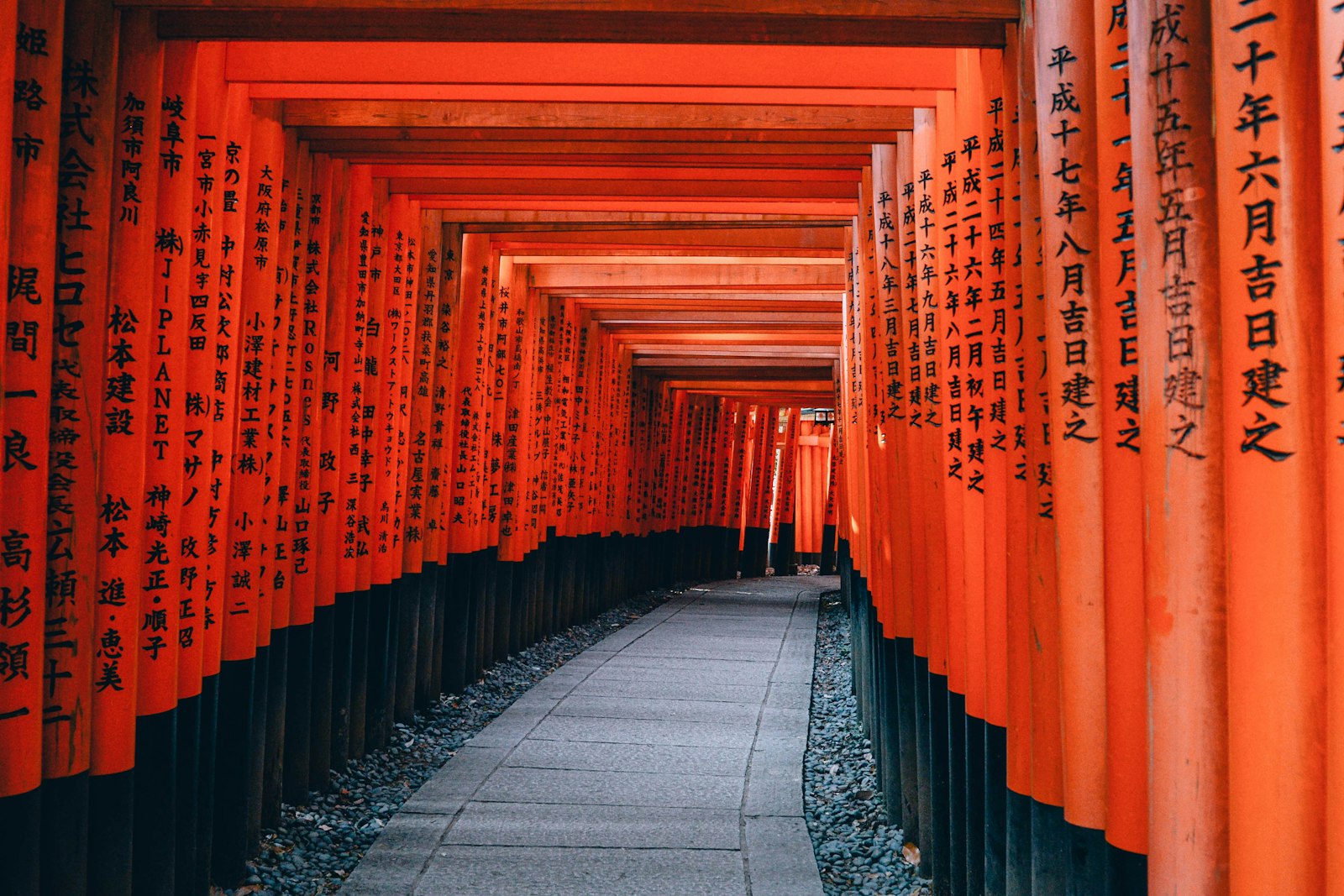
Kongobuji Temple (¥1,000) is Shingon Buddhism's headquarters, featuring Japan's largest rock garden (2,340 sq meters) representing dragons emerging from clouds. Danjo Garan (free grounds, individual buildings ¥200-500) is the sacred temple complex with the iconic vermillion Konpon Daito pagoda (45m tall, ¥500 interior). The Reihokan Museum (¥1,300) houses National Treasure Buddhist art spanning 1,200 years. Koyasan has 117 temples total in its small mountaintop town — wandering between them along quiet streets is half the pleasure.
Tip: Buy the combination ticket (¥2,500) covering Kongobuji, Daito, Kondo, and Reihokan — saves ¥700 over individual admissions.
Temple Lodging & Vegetarian Cuisine
While a day trip works, staying overnight in a shukubo (temple lodging) is the authentic Koyasan experience. Around 50 temples offer overnight stays (¥12,000-25,000 per person with two meals). You sleep in tatami rooms, join 6am morning prayers, and eat elaborate shojin ryori (Buddhist vegetarian cuisine) — multicourse meals using tofu, seasonal vegetables, wild mountain plants, and sesame. Even day visitors can eat shojin ryori at restaurant Hanabishi (sets from ¥3,000) or temple restaurants. Eko-in and Muryoko-in are popular choices that accept same-day bookings.
Tip: Book Eko-in temple for their guided night cemetery walk (included with stay) — walking Okunoin by lantern-light with a monk's narration is Koyasan's peak experience.
Day Trip vs Overnight
A day trip from Osaka (depart 7am, return 7pm) gives you about 5 hours on the mountain — enough for Okunoin, Kongobuji, and Danjo Garan with a quick lunch. The last cable car departs at 5:25pm (check seasonal schedule). For a day trip, focus on Okunoin first (2 hours) then Kongobuji/Garan area (2 hours). However, staying overnight transforms the experience — morning prayers at dawn, evening meditation, night cemetery walks, and the quiet mountain atmosphere after day-trippers leave. Book temple stays via Shukubo Association website or Japanese booking sites.
Tip: If day-tripping, take the earliest Nankai train possible (6:30am from Namba) — the 2.5-hour journey means late starters lose precious mountain time.