川越一日游:东京近郊的"小江户"
Day Trips 6 min read

川越一日游:东京近郊的"小江户"

Getting to Kawagoe

Kawagoe is one of Tokyo's easiest day trips — just 30 minutes from Ikebukuro on the Tobu Tojo Line (¥480) or 45 minutes from Shinjuku on the Seibu Shinjuku Line (¥510). The Kawagoe Discount Pass from Tobu (¥950 round trip + unlimited local bus) is good value. From the station, it's a 20-minute walk or short bus ride (¥200) to the historic Kurazukuri district. The entire old town area is compact and walkable in 3-4 hours, making Kawagoe perfect for a half-day trip.

Tip: Combine Kawagoe with a morning departure and be back in Tokyo by 2pm — leave the afternoon for a different neighborhood exploration.

Kurazukuri Warehouse Street

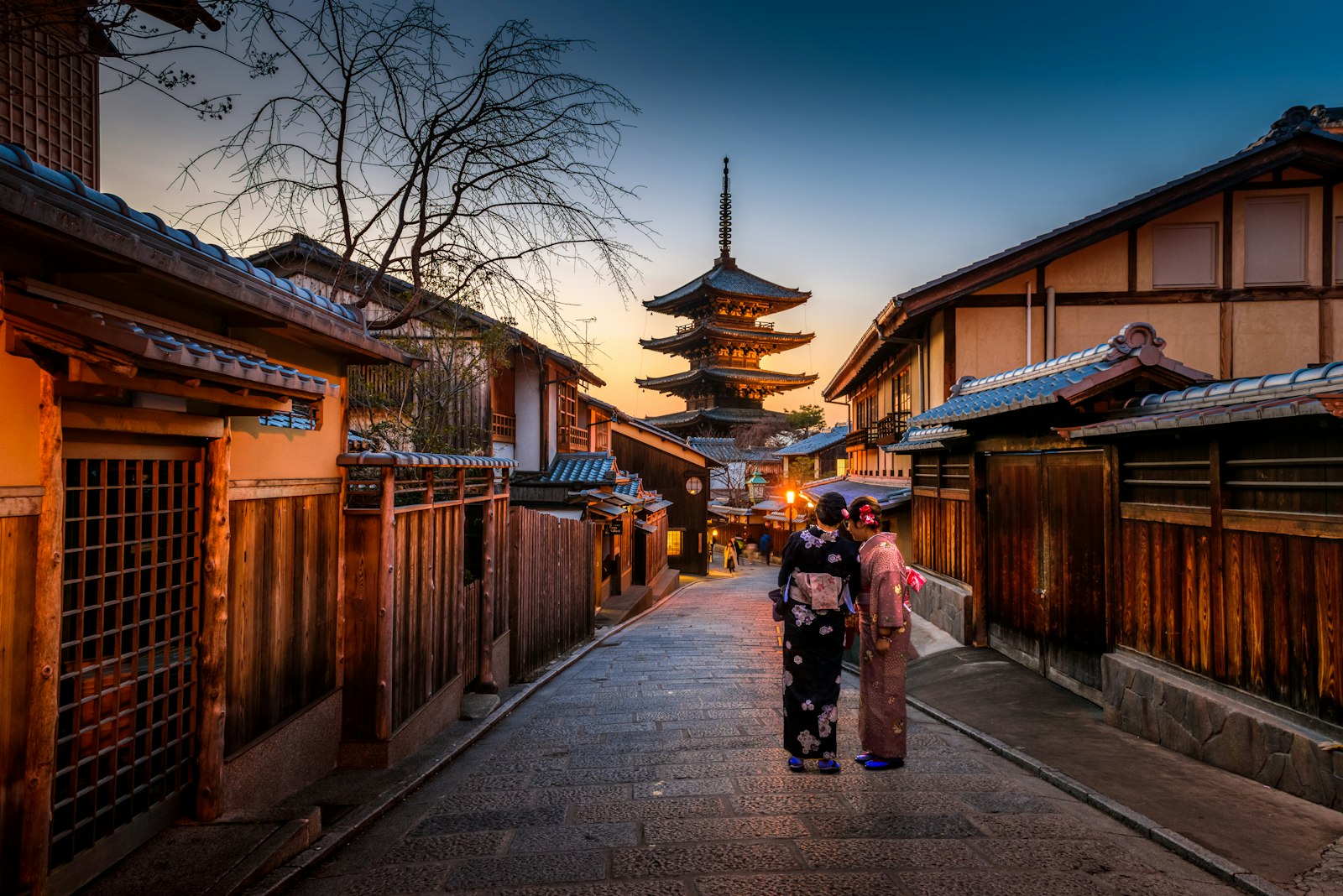
Kawagoe earned the nickname 'Little Edo' (Koedo) for its preserved kurazukuri (clay-walled warehouse) architecture dating from the Meiji era. These fireproof merchant buildings line the main street with their characteristic black plaster walls and heavy tile roofs. The iconic Toki no Kane (Bell of Time) tower has marked the hours since the 1600s and still rings four times daily (6am, noon, 3pm, 6pm). Many warehouses are now shops selling traditional crafts, local sake, and Kawagoe's famous sweet potato products.

Tip: The best photos of the bell tower are from the narrow lane directly east of it — fewer tourists use this approach and the angle includes warehouse rooftops.

Kashiya Yokocho (Candy Alley)

Kashiya Yokocho is a narrow lane of 20+ traditional sweet shops that's been selling confections since the Meiji era. This colorful alley specializes in old-fashioned Japanese dagashi (penny candy), handmade lollipops, rice crackers, and — Kawagoe's obsession — sweet potato everything. Try imo chips (sweet potato chips, ¥300), imo soft cream (¥350), imo karinto (fried sweet potato sticks), and purple sweet potato dango. The shops are tiny, family-run, and charmingly retro.

Tip: Kawagoe sweet potatoes are harvested September-November — visit in autumn for peak freshness and seasonal-only treats like yaki-imo (roasted whole potato, ¥400).

Hikawa Shrine & Cultural Sites

Kawagoe Hikawa Shrine (free) is famous for marriage blessings and its stunning corridor of hundreds of wind chimes in summer (July-August). The shrine's tai-miyuki tunnel of wooden ema (prayer plaques) creates a photogenic archway. Year-round, free 'lucky pebble' amulets are distributed at 8am daily (only 20/day — arrive early). The Kawagoe Castle Honmaru Goten (¥100) is one of few surviving castle palace buildings in eastern Japan. The Kawagoe Festival Museum (¥300) showcases the elaborate two-story floats used in the October Kawagoe Festival (UNESCO Intangible Heritage).

Tip: The wind chime corridor at Hikawa Shrine (July-August) is one of the most photogenic spots in greater Tokyo — 2,000 glass wind chimes create both visual and audio magic.

What to Eat in Kawagoe

Beyond sweet potatoes, Kawagoe has excellent food options. Unagi (freshwater eel) is a local tradition — Ichinoya (since 1832) serves it grilled over charcoal (sets from ¥2,800, expect 30-min queue). Kawagoe's craft beer scene is growing, with COEDO Brewery (founded here) offering taprooms. For lunch, try the Kawagoe Premium Soft Serve map — a crawl of specialty ice cream shops each featuring different local ingredients. The covered Crea Mall near the station has affordable ramen and curry shops for a quick pre-train meal.

Tip: COEDO's flagship taproom 'COEDO Craft Beer Station' near Kawagoe Station has all 6 core beers on tap — try the Beniaka (sweet potato amber ale) for the local flavor.