Kamakura: Beach Temples & Great Buddha
Just 60 minutes from Tokyo Station on the JR Yokosuka Line (¥950), Kamakura was Japan's medieval capital and retains dozens of stunning temples. The Great Buddha (Kotoku-in, ¥300) is a 13-meter bronze statue that's survived tsunamis and earthquakes since 1252. Walk the atmospheric Komachi-dori shopping street for matcha treats and souvenirs. Hike between temples on the Daibutsu Trail (90 min) through forest. Visit Hasedera Temple (¥400) for ocean views and thousands of small Jizo statues. In summer, Yuigahama Beach adds a seaside dimension.
Tip: Buy the Kamakura-Enoshima Pass (¥780 from Ofuna) for unlimited rides on the charming Enoden coastal railway connecting Kamakura to Enoshima.
Hakone: Hot Springs & Fuji Views
Hakone is Tokyo's favorite onsen getaway, 90 minutes via Odakyu Romance Car from Shinjuku (¥2,330). The Hakone Free Pass (¥6,100, 2-day) covers trains, cable cars, pirate ships, and buses in a scenic loop. Ride the Hakone Ropeway over volcanic Owakudani (try black eggs, ¥500/5 — said to add 7 years to your life). Lake Ashi offers Mt Fuji views on clear days. Soak at day-use onsen like Hakone Yuryo (¥1,500). The Open Air Museum (¥1,800) displays sculptures in mountain gardens.
Tip: Mt Fuji is most visible from Hakone in autumn/winter mornings — summer haze often obscures the view by 10am.
Nikko: Lavish Shrines & Waterfalls
Nikko's UNESCO World Heritage shrines are 2 hours from Asakusa via Tobu Railway (¥1,390). Toshogu Shrine (¥1,300) is Japan's most ornate — the mausoleum of Tokugawa Ieyasu, covered in gold leaf and 5,000 carvings including the famous 'see no evil' monkeys. Nearby, Kegon Falls plunges 97 meters (elevator to base ¥570). The Sacred Bridge (Shinkyo) over the Daiya River is iconic. In autumn, the Irohazaka winding road bursts with spectacular foliage. Allow a full day — there's too much for a rushed visit.
Tip: The Tobu Nikko All-Area Pass (¥4,780 from Asakusa) covers round-trip train plus all Nikko buses — essential since attractions are spread across a wide mountain area.
Mt Fuji: Japan's Iconic Peak
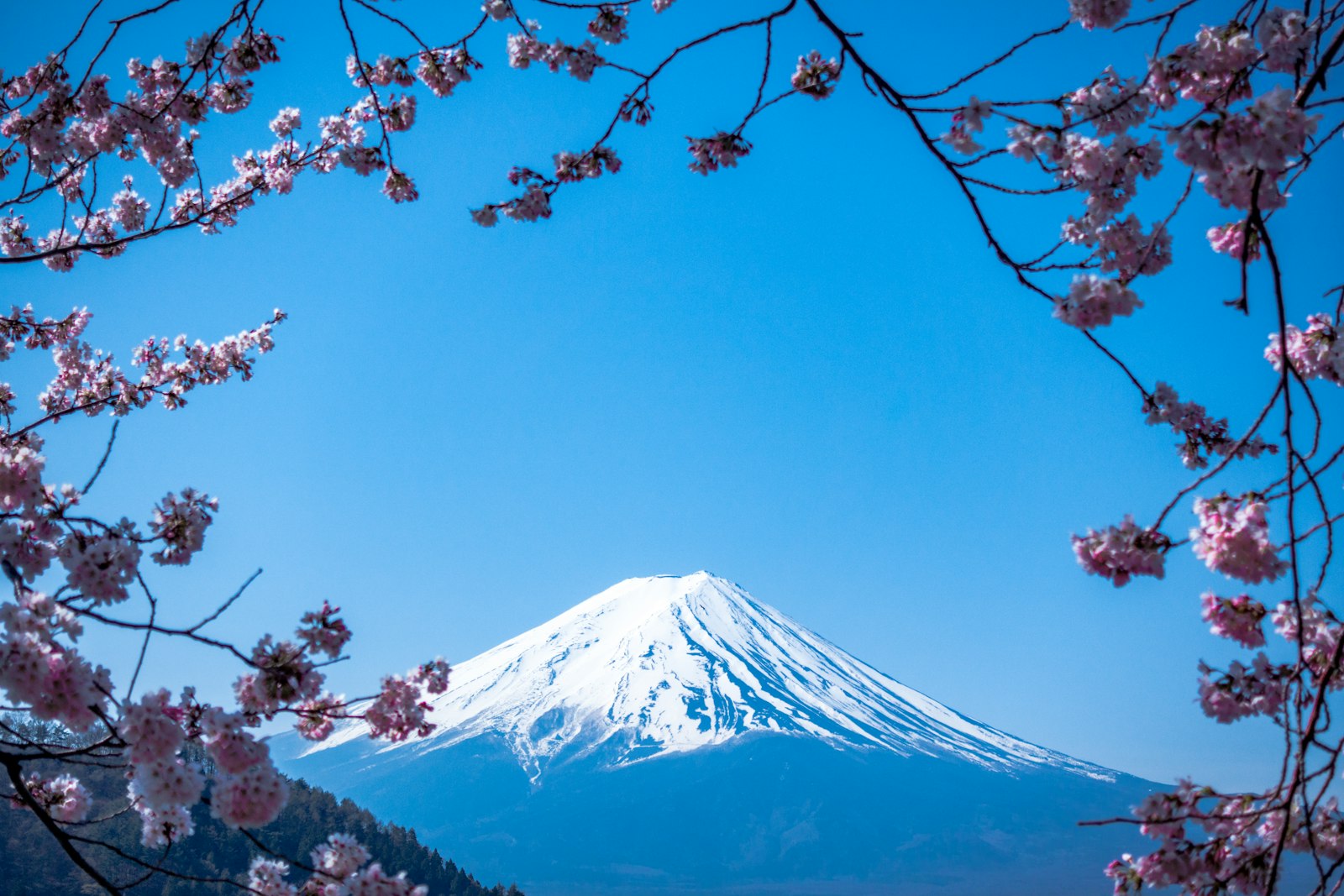
You don't need to climb Mt Fuji to enjoy it. The Fuji Five Lakes area (2 hours by highway bus from Shinjuku, ¥2,200) offers stunning views. Kawaguchiko is the most accessible lake, with the iconic pagoda-and-Fuji view at Chureito Pagoda (398 steps up). Rent a bike (¥1,500/day) to circle the lake. For the best Fuji panorama, ride the Kachi Kachi Ropeway (¥900 round trip) or visit Oshino Hakkai (free), a village with crystal-clear spring pools reflecting the mountain.
Tip: Highway buses to Kawaguchiko from Shinjuku Bus Terminal depart every 30 minutes — book the left-side window seat for Fuji views on approach.
Kawagoe, Enoshima & Mt Takao
Kawagoe ('Little Edo') is 30 minutes from Ikebukuro (¥480) with an Edo-period warehouse district, a candy lane (Kashiya Yokocho), and the iconic bell tower (Toki no Kane). Perfect half-day trip. Enoshima island (75 min from Shinjuku) combines shrine visits, sea caves, and panoramic observation towers with beachside seafood restaurants — try shirasu (whitebait) bowls (¥1,200). Mt Takao is just 50 minutes from Shinjuku (¥390), offering easy hiking trails (Trail 1 is paved, 90 min up), a mountain-top temple, and beer garden in summer.
Tip: Mt Takao Trail 1 has a cable car (¥490 one-way) halfway up — ride up, walk down for the best experience with less effort.
Planning Your Day Trips
Most day trips are covered by the JR Pass if you have one, except Hakone (Odakyu) and Nikko (Tobu). Start early — 7-8am departure gives you maximum time. Weekdays are dramatically less crowded than weekends at all destinations. Pack light but bring cash — rural areas outside Tokyo have fewer card-accepting shops. Lockers at destination stations (¥300-700) store bags. For Hakone and Nikko, consider an overnight stay to fully explore — day trips cover highlights but feel rushed.