关西旅行攻略:京都、大阪、奈良及更多
Region Guides 8 min read

关西旅行攻略:京都、大阪、奈良及更多

Why Kansai Is Essential

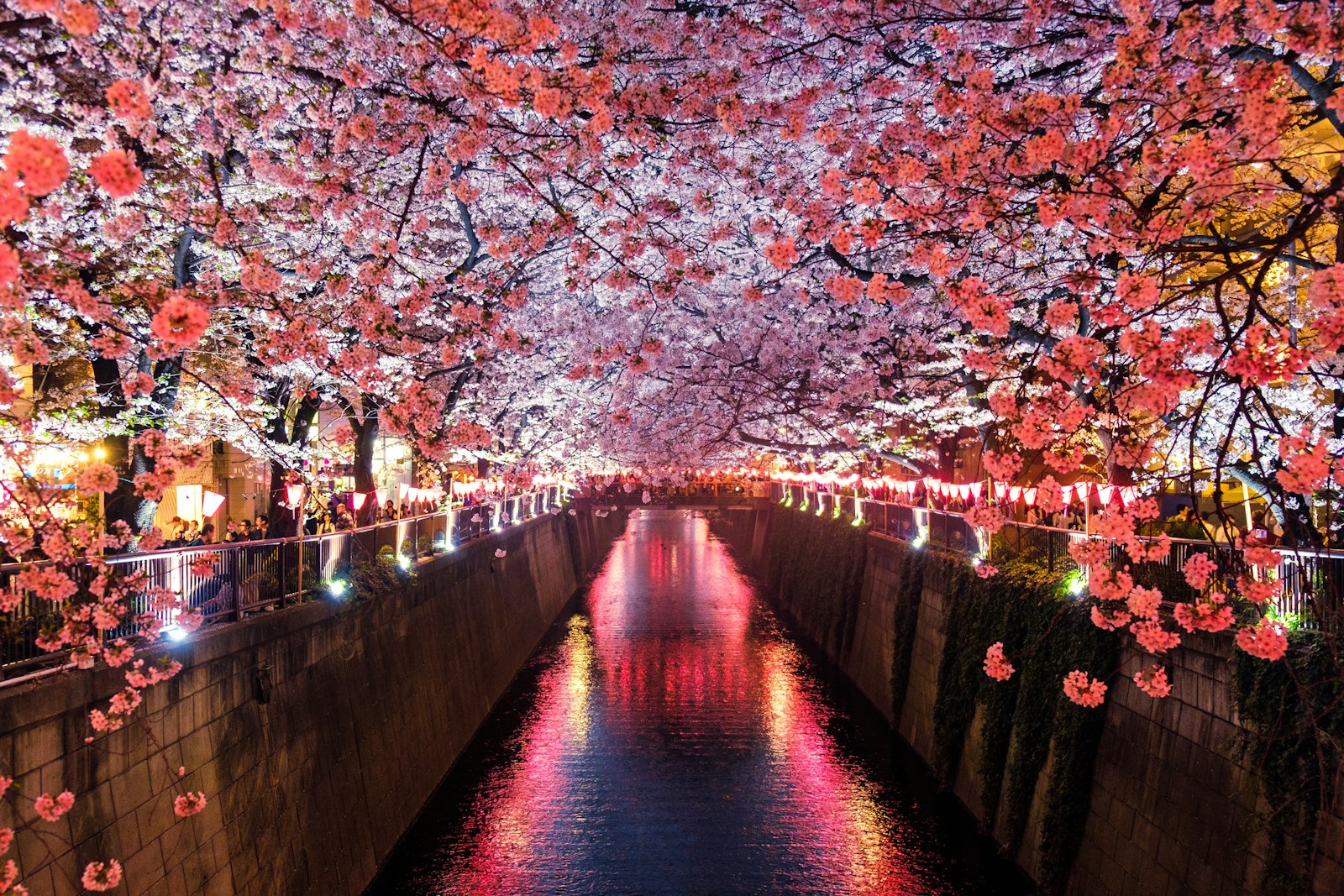
Kansai (also called Kinki) is Japan's cultural heartland — home to the ancient capitals of Kyoto and Nara, the food capital Osaka, cosmopolitan Kobe, and sacred Mt Koya. The region has more UNESCO World Heritage sites than anywhere else in Japan. Kansai people are famously warm, funny, and direct compared to reserved Tokyo residents. The regional dialect (Kansai-ben) is considered funnier and more expressive. Food culture is arguably Japan's best here — from Osaka's street food to Kyoto's refined kaiseki to Kobe's legendary beef.

Tip: Base yourself in Osaka for the best value and transport connectivity — hotels are cheaper than Kyoto, and Kyoto/Nara/Kobe are all within 30-60 minutes by train.

Kyoto: Cultural Capital

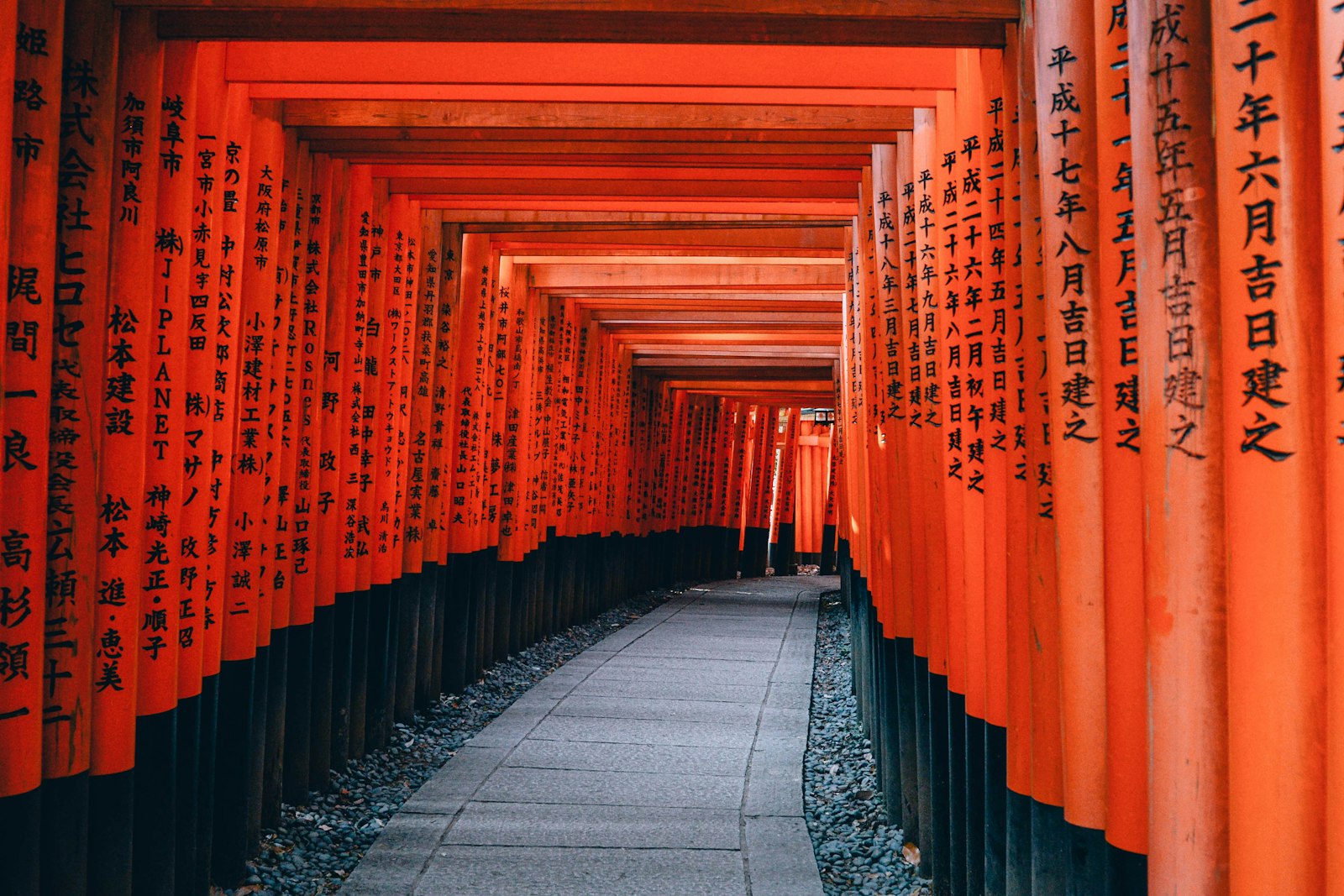
With 17 UNESCO sites, 1,600+ temples, and 400+ shrines, Kyoto is Japan's most culturally dense city. Must-see: Fushimi Inari (10,000 torii gates, free), Kinkaku-ji (Golden Pavilion, ¥500), Arashiyama Bamboo Grove (free), Kiyomizu-dera (¥400), and Gion geisha district (free to walk). Beyond the famous sites, explore Kyoto's 100+ moss-draped subtemples, atmospheric tea houses, and machiya townhouse restaurants. Kyoto is compact — rent a bicycle (¥1,000/day) for the most flexible exploration. Allow 3-4 days minimum.

Tip: Kyoto's east side (Higashiyama) is most famous but the northwest (Arashiyama, Kinkaku-ji, Ryoan-ji) is equally compelling — split your days between both areas.

Osaka: Japan's Kitchen

Osaka lives by the motto 'kuidaore' — eat until you drop. Dotonbori is ground zero: takoyaki (octopus balls, ¥600), okonomiyaki (savory pancakes, ¥800-1,200), and kushikatsu (fried skewers, ¥100-200 each). Shinsekai district serves the crunchiest kushikatsu. Kuromon Market (Osaka's Kitchen, ¥200-2,000 per stall) offers sashimi, grilled seafood, and Wagyu skewers. Beyond food: Osaka Castle (¥600) dominates the skyline, Umeda Sky Building (¥1,500) has floating garden views, and Shinsekai/Tsutenkaku Tower (¥900) is retro Osaka at its finest. Nightlife in Namba and Amerikamura rivals Tokyo.

Tip: Osaka's best eating is at standing-only counters — look for the word '立ち飲み' (tachinomi) for standing bars serving excellent food at bar-stool prices.

Nara, Kobe & Beyond

Nara (45 min from Kyoto/Osaka): ancient capital with 1,200 free-roaming deer, the enormous Todai-ji Buddha, and Kasuga Shrine's 3,000 lanterns. A half-day suffices for highlights. Kobe (20 min from Osaka): legendary beef (lunch sets from ¥5,000), harbor district, and the Kitano-cho foreign quarter. Mt Koya (2.5 hours from Osaka): mountaintop Buddhist monastery with overnight temple stays (¥12,000+) and the haunting Okunoin cemetery. Wakayama: access point for Kumano Kodo pilgrimage trails and the white-sand beaches of Shirahama.

Tip: The Kansai Thru Pass (¥5,400/2 days) covers non-JR trains across the entire region — useful for Kobe, Nara, and Mt Koya trips where private railways are faster.

Getting Around Kansai

Kansai has excellent rail connections but uses multiple railway companies. JR West runs shinkansen and main lines (covered by JR Pass). Hankyu connects Osaka-Kyoto-Kobe (¥400-600). Kintetsu serves Osaka-Nara-Nagoya. Nankai runs to Kansai Airport and Mt Koya. Kansai Airport (KIX) connects to Osaka by Haruka Express (75 min, ¥1,210 with ICOCA discount) or Nankai Rapi:t (40 min, ¥1,450). Within Kyoto, buses are essential (¥230 flat fare, 1-day pass ¥700). Within Osaka, the subway is comprehensive (¥180-370). Buy an ICOCA card (Kansai's Suica equivalent) at any station.

Tip: The ICOCA+Haruka combo deal (¥3,600 from KIX) gives you an IC card plus discounted airport express — buy at the JR ticket office immediately after customs.