北陆旅行指南:金泽、富山与福井
Region Guides 7 min read

北陆旅行指南:金泽、富山与福井

Hokuriku: Japan's Sea of Japan Gem

Hokuriku stretches along the Sea of Japan coast, encompassing Ishikawa, Toyama, and Fukui prefectures. This region is a revelation — world-class gardens, Japan's freshest seafood, heavy snowfall producing spectacular winter scenery, and traditional crafts preserved for centuries. Since the Hokuriku Shinkansen extension (2024), the entire region is easily accessible: Tokyo to Kanazawa in 2.5 hours, continuing to Tsuruga/Fukui. Hokuriku sees far fewer foreign tourists than the golden route, yet its cultural depth rivals Kyoto.

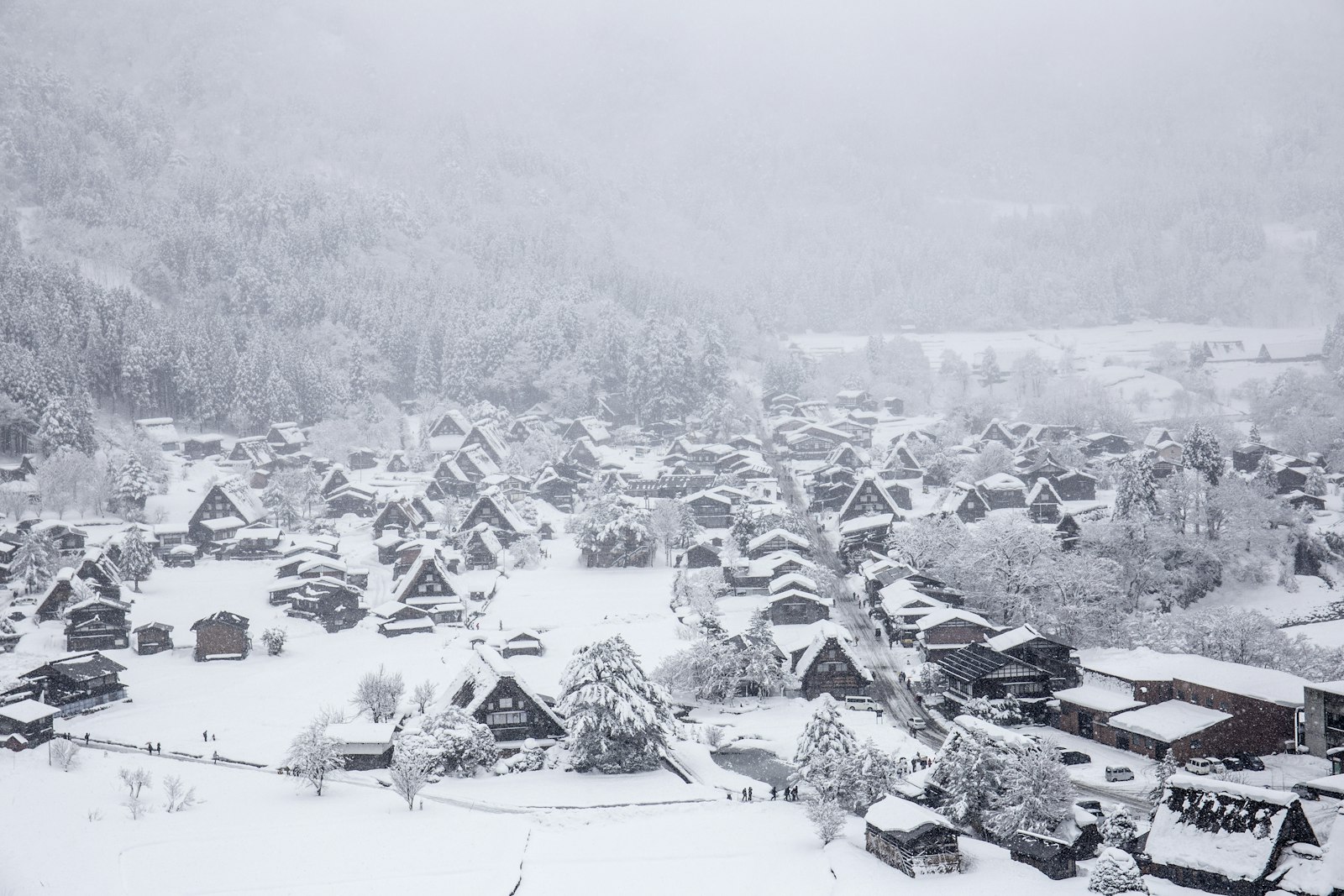
Tip: Winter (December-February) is Hokuriku's secret season — snow transforms Kanazawa's gardens, crab season peaks, and onsen towns are at their coziest.

Kanazawa: The Little Kyoto

Kanazawa escaped WWII bombing, preserving a stunning historic cityscape. Kenroku-en Garden (¥320) is one of Japan's top three gardens — its snow-hanging yukitsuri pine protections in winter are iconic. The 21st Century Museum of Contemporary Art (free permanent collection) is a Pritzker Prize-winning glass circle. Higashi Chaya (Eastern Geisha District) has preserved wooden teahouses — enter Kaikaro (¥750) to see the interior of a working geisha house. Omicho Market (120+ stalls) is the city's kitchen — try kaisendon (seafood bowl, ¥2,000-3,500) with local crab, sweet shrimp, and yellowtail.

Tip: Buy the Kanazawa Loop Bus 1-Day Pass (¥500) — it connects all major sites in a convenient circuit and runs every 15 minutes.

Toyama & the Japanese Alps

Toyama city is the gateway to the Tateyama Kurobe Alpine Route — a spectacular transit route crossing 3,000m peaks via cable car, ropeway, electric bus, and trolleybus. The 20-meter snow corridors (April-June) are the headline attraction. The route connects Toyama to Nagano over 6 transport segments (¥13,590 one-way through). Toyama Bay produces Japan's finest firefly squid (March-May, viewing tours ¥4,000) and white shrimp. The Toyama Glass Art Museum (¥200-700) is architecturally stunning. Kurobe Gorge Railway (¥3,960 round trip) rides through dramatic canyon scenery to remote onsen.

Tip: Time the Alpine Route visit for late April when snow walls peak at 15-20 meters — but book accommodation weeks ahead as this is Hokuriku's most popular attraction.

Fukui & Surroundings

Fukui is home to the Fukui Prefectural Dinosaur Museum (¥1,000) — one of the world's top three dinosaur museums, built near major fossil sites. 44 complete dinosaur skeletons fill a futuristic silver dome. Eiheiji Temple (¥500) is the headquarters of Soto Zen Buddhism — 200+ monks train here in an austere mountain complex. Overnight stays available (¥8,000). Tojinbo Cliffs (free) is a dramatic 25-meter basalt cliff coastline. Echizen district is famous for washi paper crafts — the Papyrus museum (¥300) offers papermaking workshops (¥500). Echizen crab (November-March) is the premium local delicacy (¥15,000-30,000/crab at restaurants).

Tip: The dinosaur museum is unexpectedly world-class — even without kids, the exhibits, research displays, and building architecture justify the 90-minute trip from Kanazawa.

Getting Around Hokuriku

The Hokuriku Shinkansen connects Tokyo to Kanazawa (2.5 hours, ¥14,180) and now extends to Tsuruga via Fukui. The Hokuriku Arch Pass (¥25,500/7 days) covers the shinkansen Tokyo-Kanazawa-Osaka arc — ideal for combining Hokuriku with the golden route. Within the region, JR limited express trains connect Kanazawa-Toyama (20 min), Kanazawa-Fukui (45 min). Kanazawa and Toyama have excellent local bus systems. For the Noto Peninsula (Ishikawa's rural coast), a rental car is essential. Wakura Onsen on the Noto coast has Japan's famous luxury ryokan Kagaya — consistently rated the country's best.

Tip: The Hokuriku Arch Pass is the most underused JR deal — it connects Tokyo, Kanazawa, Kyoto, and Osaka in one pass, covering the shinkansen legs that cost ¥28,000+ individually.