冬日日本行程:雪景、温泉与灯光秀
Itineraries 8 min read

冬日日本行程:雪景、温泉与灯光秀

Why Visit Japan in Winter

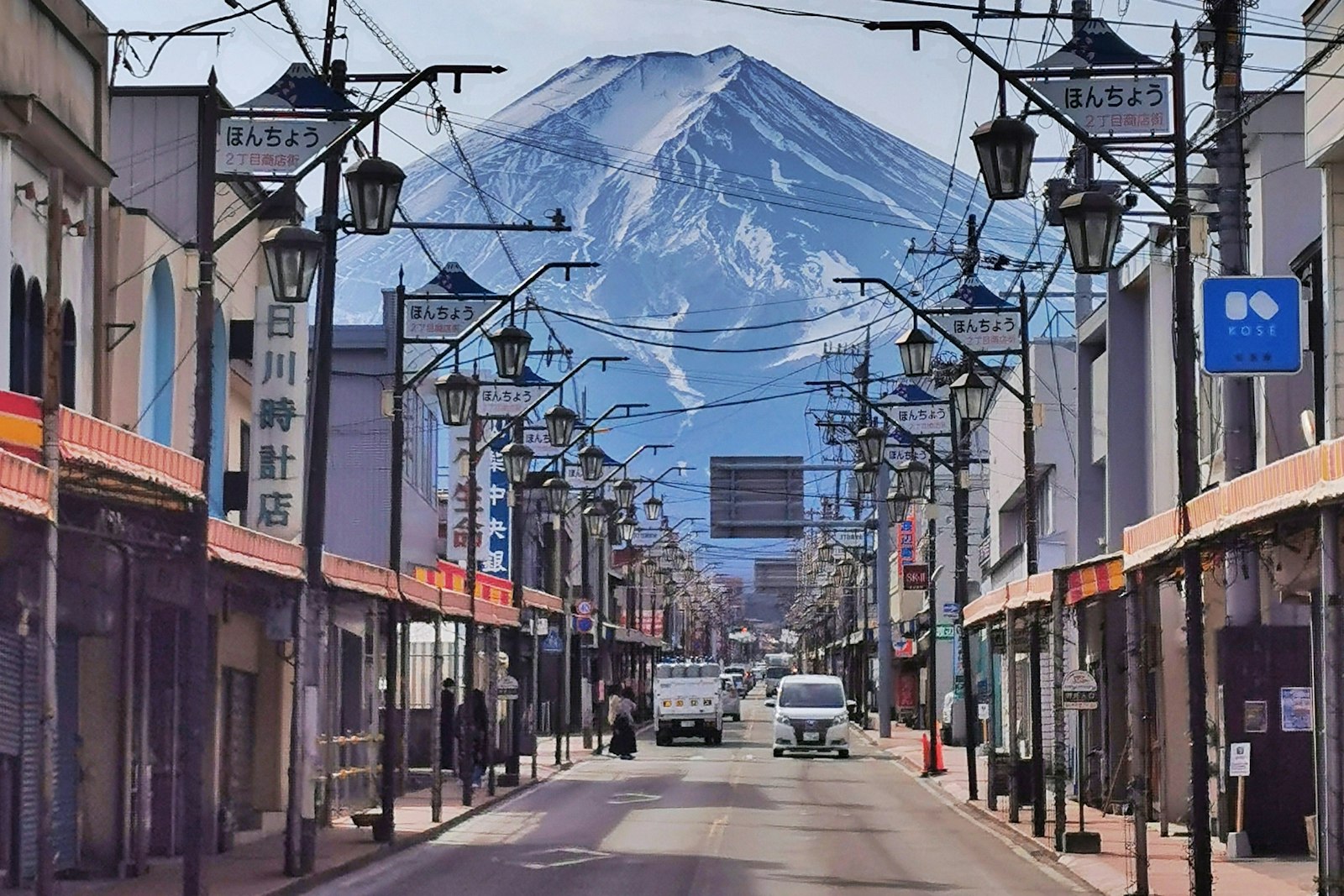
Winter (December-February) is one of Japan's most underrated travel seasons. Clear skies mean the best Mt. Fuji visibility of the year. Millions of LED illuminations transform city centers into light wonderlands. Hot spring towns steam dramatically in cold air. World-class powder snow covers mountains from Hokkaido to the Alps. Crab, fugu (pufferfish), and nabe hot pot cuisine peak in winter. Tourist crowds thin significantly outside New Year week (Dec 29-Jan 3). Temperatures in Tokyo average 5-10°C; Hokkaido -5 to -10°C; Okinawa remains mild at 15-20°C.

Tip: Pack layers rather than one heavy coat. Japanese buildings and trains are well-heated — you will constantly transition between cold outdoors and warm indoors.

Days 1-3: Tokyo Winter Magic

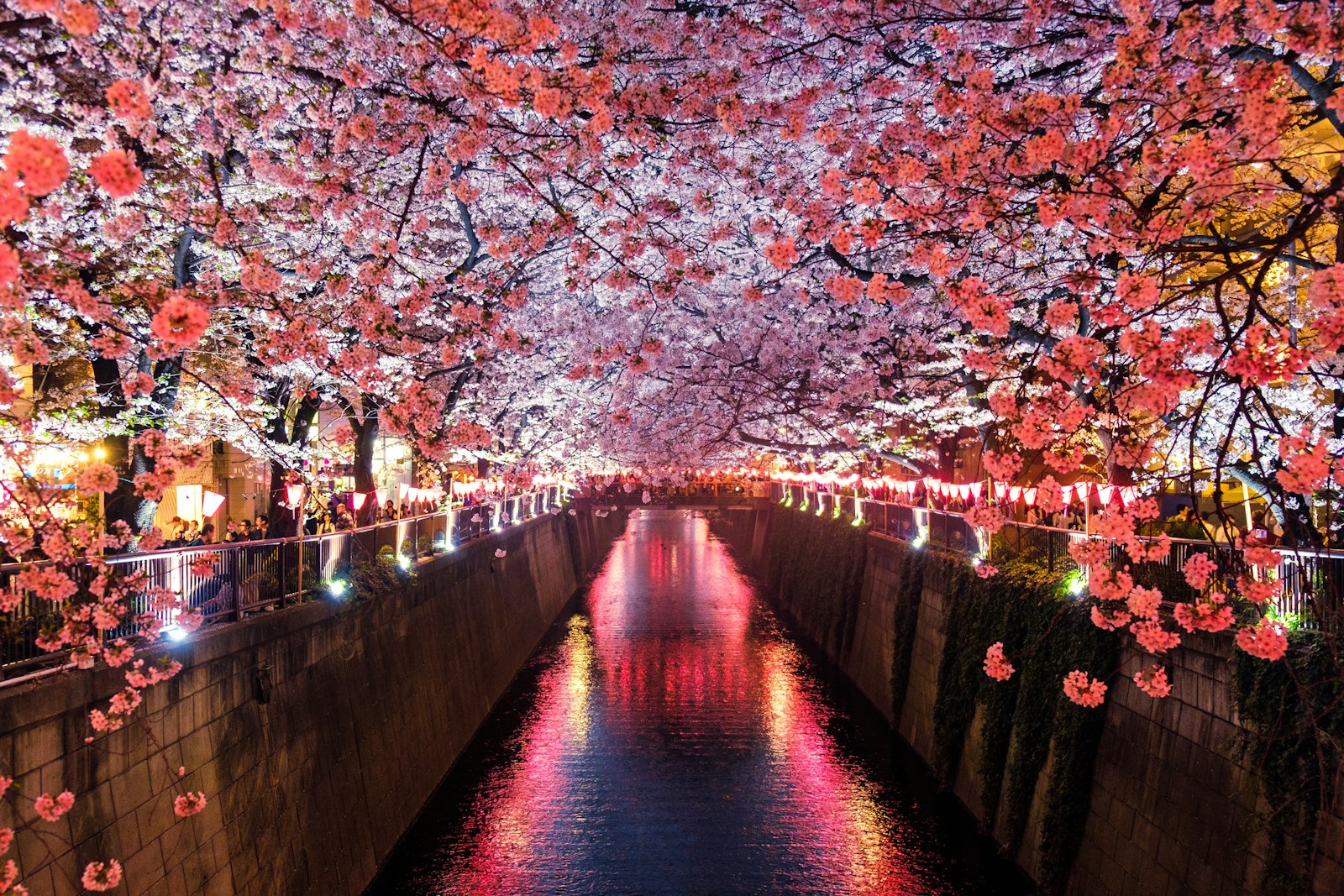
Tokyo's winter illuminations run November through February. Must-see: Roppongi Hills Keyakizaka (free), Marunouchi Naka-dori near Tokyo Station (free), Caretta Shiodome (free, themed show every 20 minutes), and Yomiuriland Jewellumination (¥1,800). Clear winter air makes observation decks exceptional — Shibuya Sky, Tokyo Tower, and the free Tokyo Metropolitan Government Building all offer crisp views potentially including Fuji. Food-wise: seek out nabe (hot pot) restaurants, oden stalls at convenience stores, taiyaki (hot fish-shaped cakes), and roasted sweet potatoes from street vendors (¥300-¥500).

Tip: The Emperor's Birthday (February 23) opens the inner grounds of the Imperial Palace — one of only two days per year the public can enter.

Days 4-6: Snow Country

Take the Joetsu Shinkansen from Tokyo into Yuzawa, the snow country of Kawabata's famous novel, in just 70 minutes. Options: Ski at GALA Yuzawa (connected directly to the Shinkansen station, lift pass ¥5,500), or continue to Nozawa Onsen for village atmosphere and free hot spring baths. Alternatively, head to Nagano Prefecture for Jigokudani Snow Monkey Park (¥800) — watch wild Japanese macaques soak in hot springs surrounded by snow. Nearby Shiga Kogen or Nozawa offer full ski resort experiences. Onsen ryokan in the mountains average ¥15,000-¥25,000 with meals.

Tip: Snow monkeys are best visited early morning (8-9 AM) before tour buses arrive. The walk to the park is 1.6 km on a forest trail — wear proper snow boots.

Days 7-8: Kanazawa and Takayama

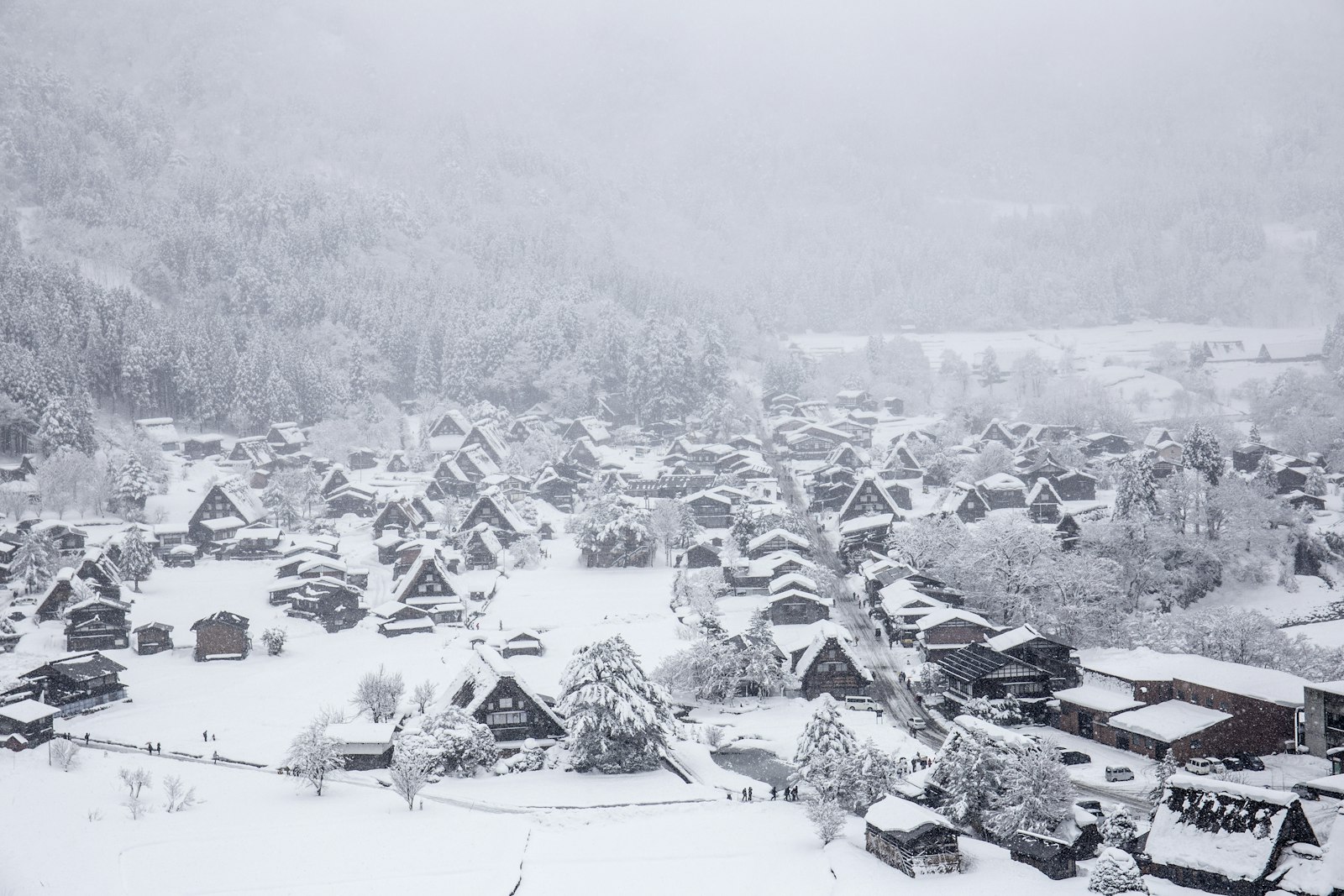
Kanazawa is stunning in winter snow. Kenroku-en garden's yukitsuri — conical ropes protecting pine trees from snow damage — are unique to winter (¥320). The Higashi Chaya teahouse district under fresh snow is one of Japan's most photogenic scenes. Warm up with Kanazawa's winter specialty: kani (snow crab) at Omicho Market (whole crab from ¥5,000). Takayama's old town steams with sake brewery chimneys in winter air. Morning markets sell amazake (sweet rice drink) and grilled Hida beef skewers (¥800). Both cities are accessible via Hokuriku Shinkansen.

Tip: Kanazawa rarely has deep snow accumulation but receives frequent light dustings — check weather for fresh-snow mornings that create the most photogenic conditions.

Days 9-10: Kyoto and Onsen

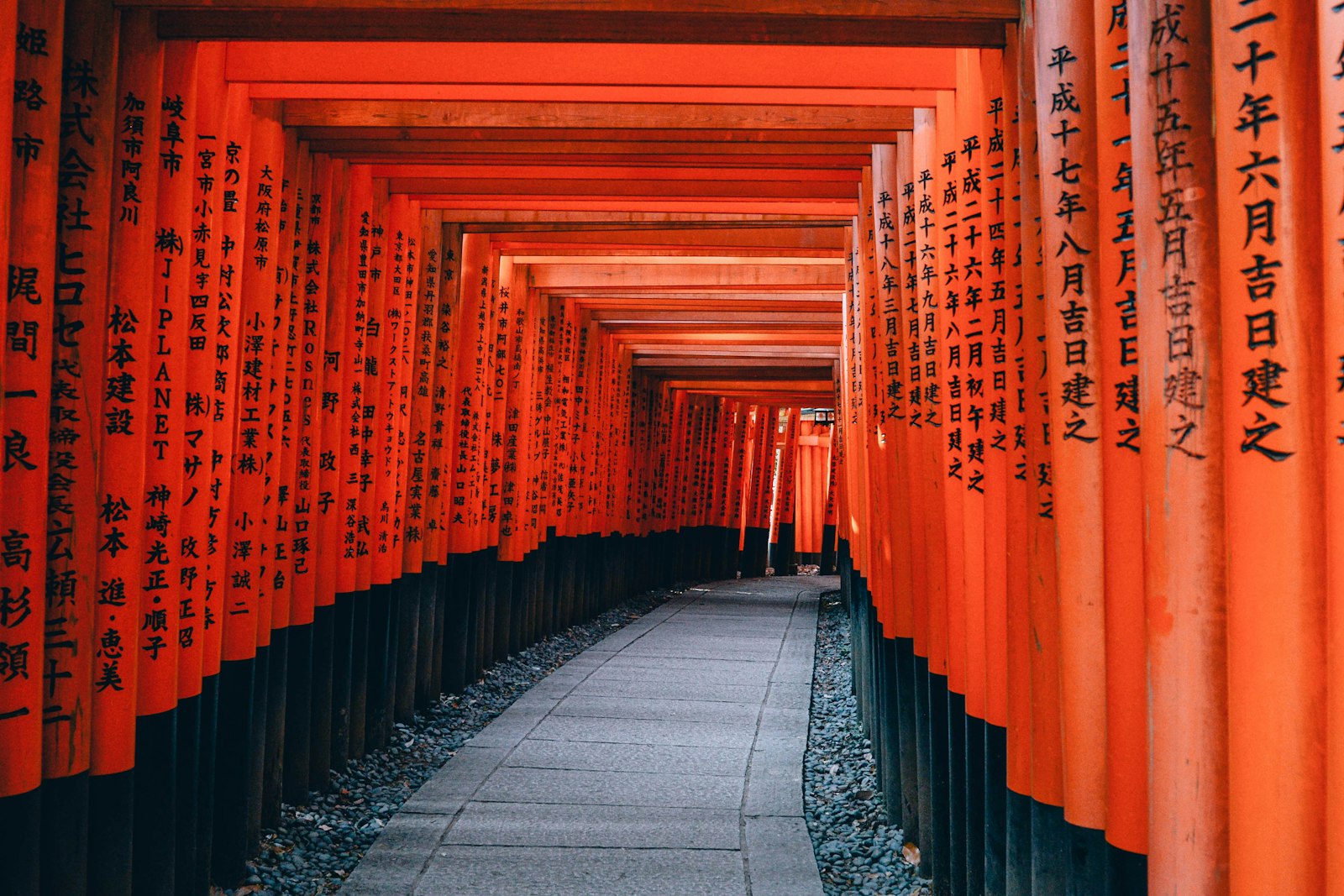
Winter Kyoto is serene with fewer tourists. Kinkaku-ji dusted with snow (rare but magical — check forecasts), bamboo grove without summer heat, and special winter illuminations at Kiyomizu-dera and Arashiyama's Hanatouro festival (December). The Kurama-Kibune area north of Kyoto has outdoor onsen in snowy forests (Kurama Onsen, ¥2,500). Finish with a night in Kinosaki Onsen (2.5 hours from Kyoto) — stroll between seven public baths in your yukata through streets lit by willow trees and snow. Winter crab dinner at Kinosaki ryokan (from ¥20,000/person) is legendary.

Tip: Kyoto snow is unpredictable — maybe 3-5 snowfall days per winter. If it snows overnight, rush to Kinkaku-ji at dawn for golden pavilion reflected in snow.