日本 vs 韩国:第一次去哪个更值?
Lists & Rankings 8 min read

日本 vs 韩国:第一次去哪个更值?

Cost Comparison

South Korea is generally 15-25% cheaper than Japan. Budget accommodation: Korea ¥3,000-5,000/night vs Japan ¥3,500-6,000/night. Street food meals: Korea ¥500-700 vs Japan ¥600-900. Public transport: comparable, both excellent. Attractions: Korean palace entry averages ¥200-500 vs Japanese temple entry ¥400-800. However, Japan's free-entry shrines and public spaces even this out. Japan's biggest cost advantage: konbini (convenience store) meals at ¥500-800 are better quality than any country's equivalent. Both countries accept IC cards (T-money/Suica) on public transport.

Tip: Both countries are dramatically cheaper than Western Europe or Australia — for most travelers, the cost difference shouldn't determine the choice.

Food Culture

Japan excels in refinement and variety — sushi, ramen, tempura, kaiseki, wagyu, and the world's highest Michelin star count. Japanese cuisine emphasizes subtlety, seasonal ingredients, and presentation. Korea excels in bold flavors and communal dining — Korean BBQ, kimchi-jjigae, bibimbap, and fried chicken. Korean food is spicier, more fermented, and served with unlimited side dishes (banchan). For vegetarians: Korea is slightly easier (temple food, bibimbap) but both are challenging. For food allergies: Japan has better labeling. The best food answer: visit both — they're complementary, not competing.

Tip: If bold spicy flavors excite you, start with Korea. If you prefer delicate umami and culinary craftsmanship, start with Japan. Both will change how you think about food.

Culture & History

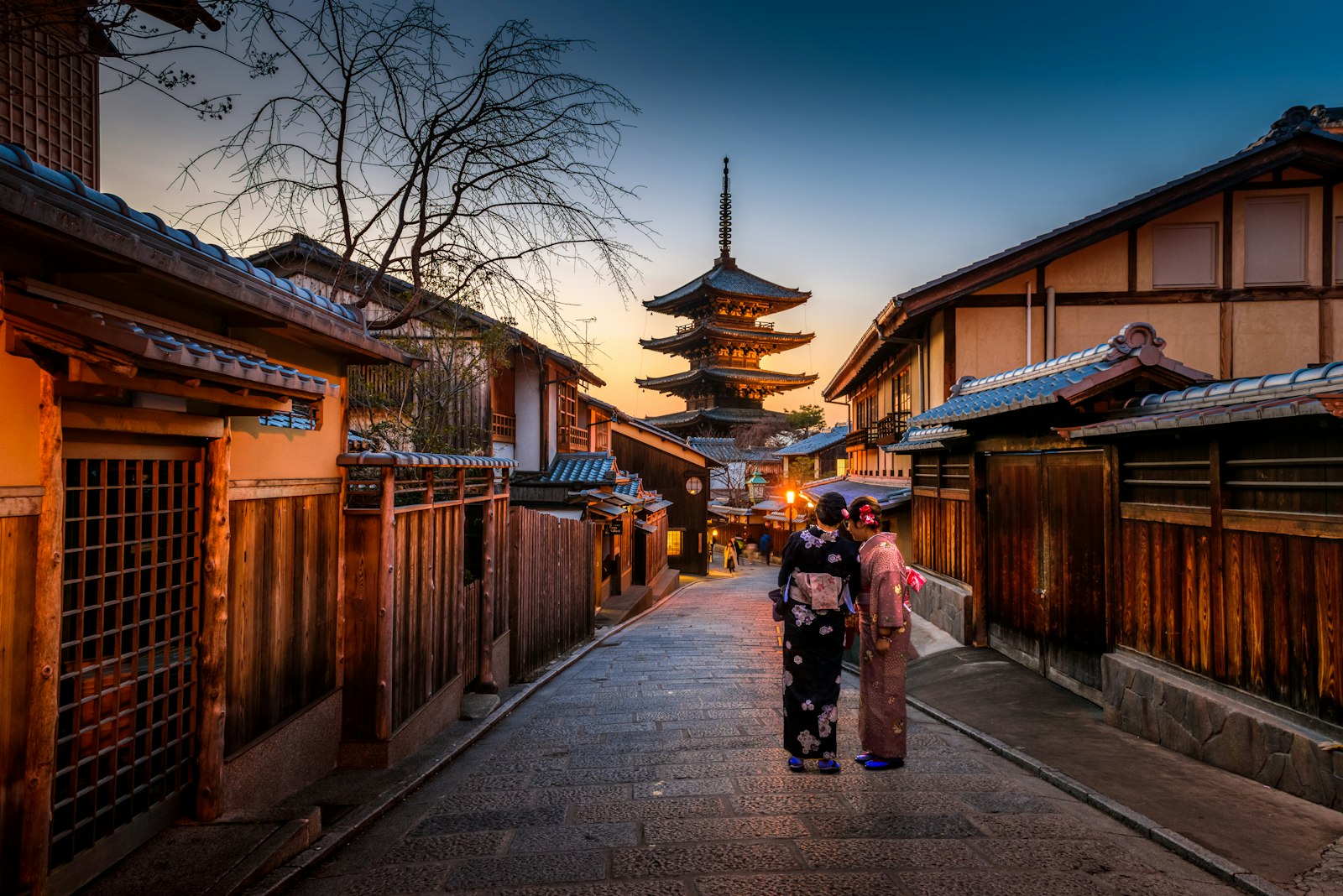
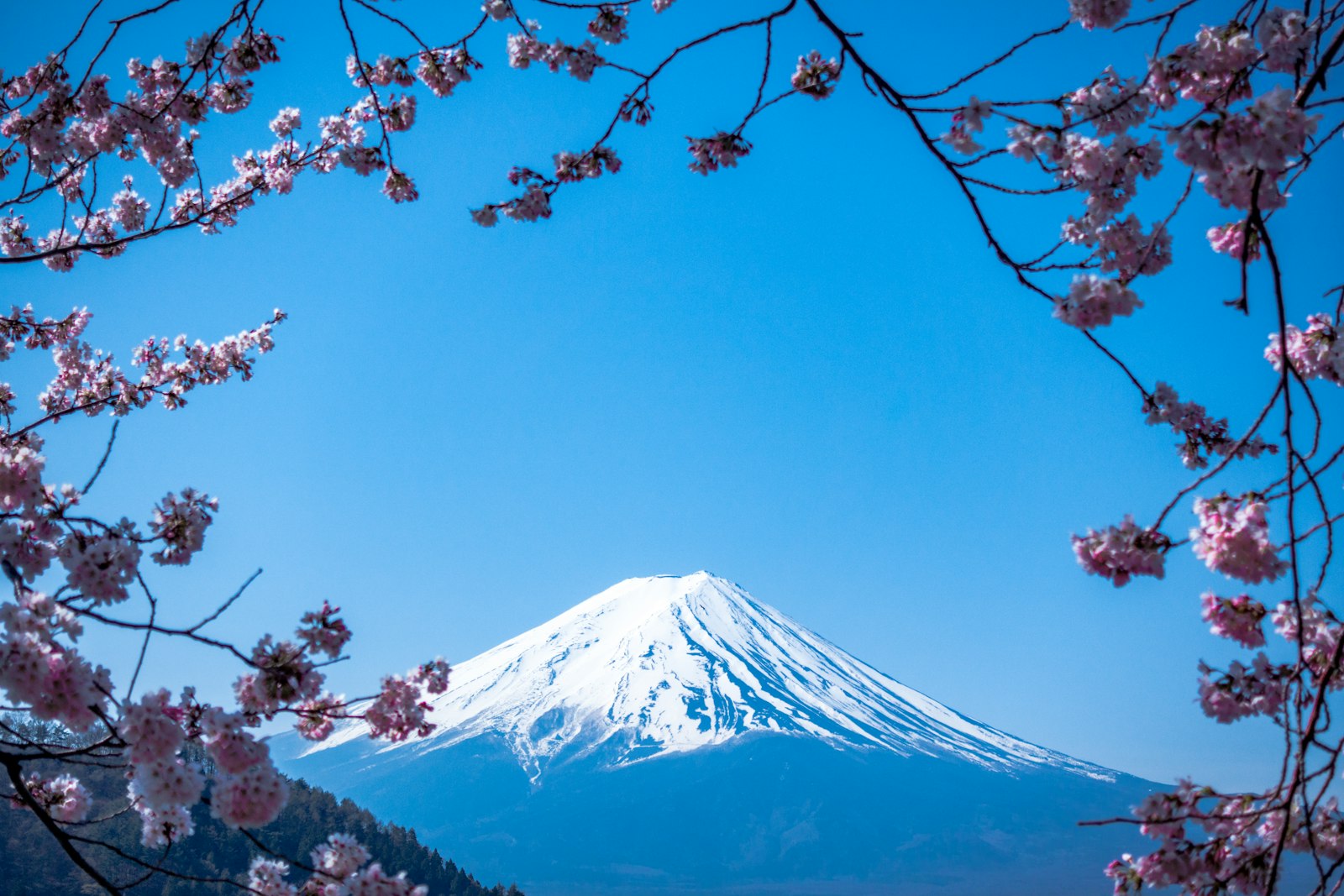
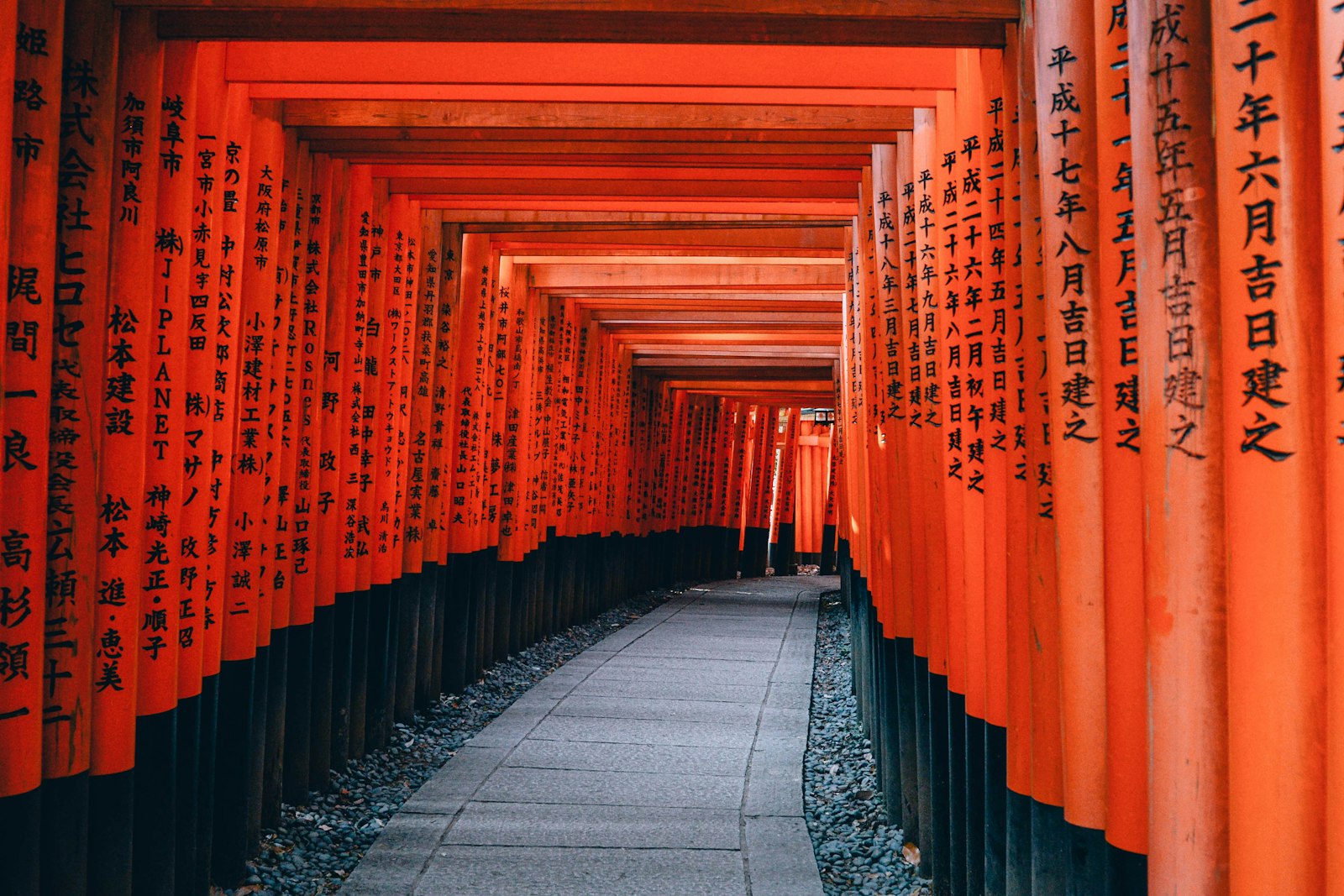
Japan offers: 25 UNESCO World Heritage sites, 1,000+ year-old wooden temples, distinct regional cultures, geisha traditions, onsen bathing, and the contrast of ultra-modern Tokyo with ancient Kyoto. Korea offers: stunning Joseon-era palaces, DMZ border experience, K-pop and K-drama culture, Buddhist mountain temples, hanbok (traditional dress) rental at palaces, and vibrant street art scenes. Japan has deeper traditional culture tourism infrastructure; Korea has stronger modern pop culture appeal. Both have excellent museums. Japan's advantage: geographical variety (tropical Okinawa to snowy Hokkaido). Korea's advantage: compact — Seoul alone fills a week.

Tip: K-pop fans lean Korea for concerts, fan cafes, and entertainment districts. Anime/manga fans lean Japan for Akihabara, Ghibli, and themed experiences.

Transport & Getting Around

Both have world-class public transport, but Japan edges ahead. Japan: shinkansen bullet trains connect the country at 320km/h, covering 600km in 2.5 hours. Tokyo's metro is the world's most comprehensive. Rural areas have regular bus/train service. Korea: KTX high-speed rail is excellent (Seoul-Busan 2.5 hours). Seoul's subway is modern with superior English signage. Buses are cheaper. T-money works everywhere. Language barrier: Korea has better English signage and younger Koreans speak more English. Japan compensates with visual menus, ticket machines with English, and extreme hospitality despite the language gap.

Tip: Japan's rail pass system (JR Pass, regional passes) makes multi-city travel exceptionally good value — no equivalent exists in Korea at the same scale.

The Verdict: Which First?

Choose Japan first if: you love traditional culture, nature variety (mountains to tropics), refined cuisine, onsen/hot springs, or want the world's most efficient travel infrastructure. Japan rewards slow, deep exploration. Choose Korea first if: you love K-pop/K-drama, bold food flavors, nightlife, modern city culture, or are on a tighter budget. Korea is easier for first-time Asia travelers (more English, simpler layout). The ideal answer: visit both on one trip. Seoul to Tokyo flights take 2.5 hours and cost ¥10,000-20,000. Many travelers do 5 days Korea + 10 days Japan (or vice versa) with an easy flight between.

Tip: If combining both: start in Seoul (easier culture shock transition for Western travelers), fly to Osaka/Tokyo, and end in Japan — the refinement of Japan feels like leveling up after Korea's energy.