日本最实惠城市推荐:平价旅行排行榜
Lists & Rankings 7 min read

日本最实惠城市推荐:平价旅行排行榜

How We Ranked

We compared Japan's major tourist cities across four categories: accommodation (hostel and budget hotel rates), food (average meal costs), local transport (daily transit spending), and attractions (entry fees for top sights). Prices reflect 2026 averages for budget-conscious travelers. The weak yen (hovering around ¥155-160/USD in 2026) makes even 'expensive' Japanese cities affordable by global standards. Every city listed can be enjoyed on ¥8,000-15,000/day including accommodation, meals, transport, and sightseeing — making Japan cheaper than most Western European cities.

Tip: Japan's budget floor is remarkably comfortable — ¥10,000/day covers clean accommodation, excellent food, and efficient transport in most cities.

Most Affordable: Fukuoka, Kanazawa & Matsuyama

1. Fukuoka (¥8,000-10,000/day): Hostels from ¥2,200, legendary yatai street food meals for ¥600-800, compact city walkable without transit, and free attractions (Ohori Park, temples). Hakata ramen at Shin Shin is ¥700. 2. Kanazawa (¥8,500-11,000/day): Budget accommodation from ¥2,500, Kenroku-en garden ¥320, Omicho Market has affordable lunch options from ¥800, loop bus ¥500/day. 3. Matsuyama (¥8,000-10,000/day): Hostels from ¥2,000, Dogo Onsen main bath ¥460, Matsuyama Castle ¥520, excellent udon and seafood under ¥800. These cities combine low costs with high cultural value.

Tip: Fukuoka is Japan's best-value city — world-class food at street stall prices, an airport 5 minutes from downtown (no expensive transit), and beautiful free parks.

Mid-Range Value: Osaka, Hiroshima & Nagoya

4. Osaka (¥10,000-13,000/day): Slightly pricier accommodation (hostels from ¥2,800) but unbeatable food value — takoyaki ¥600, okonomiyaki ¥800, kushikatsu ¥100/stick. Subway day pass ¥820. Osaka Castle ¥600. The sheer density of affordable food makes Osaka Japan's best eating-on-a-budget city. 5. Hiroshima (¥9,000-12,000/day): Budget hostels from ¥2,500, Peace Museum ¥200, Hiroshima-style okonomiyaki ¥800. Miyajima ferry free with JR Pass. 6. Nagoya (¥9,500-12,000/day): Business hotel culture means clean rooms from ¥4,000. Local specialties (miso katsu, hitsumabushi eel) are pricier but the city itself is affordable.

Tip: Osaka's Shinsekai district is the cheapest neighborhood for eating in any major Japanese city — full kushikatsu meals with beer for under ¥1,500 at standing counters.

Premium Value: Tokyo, Kyoto & Sapporo

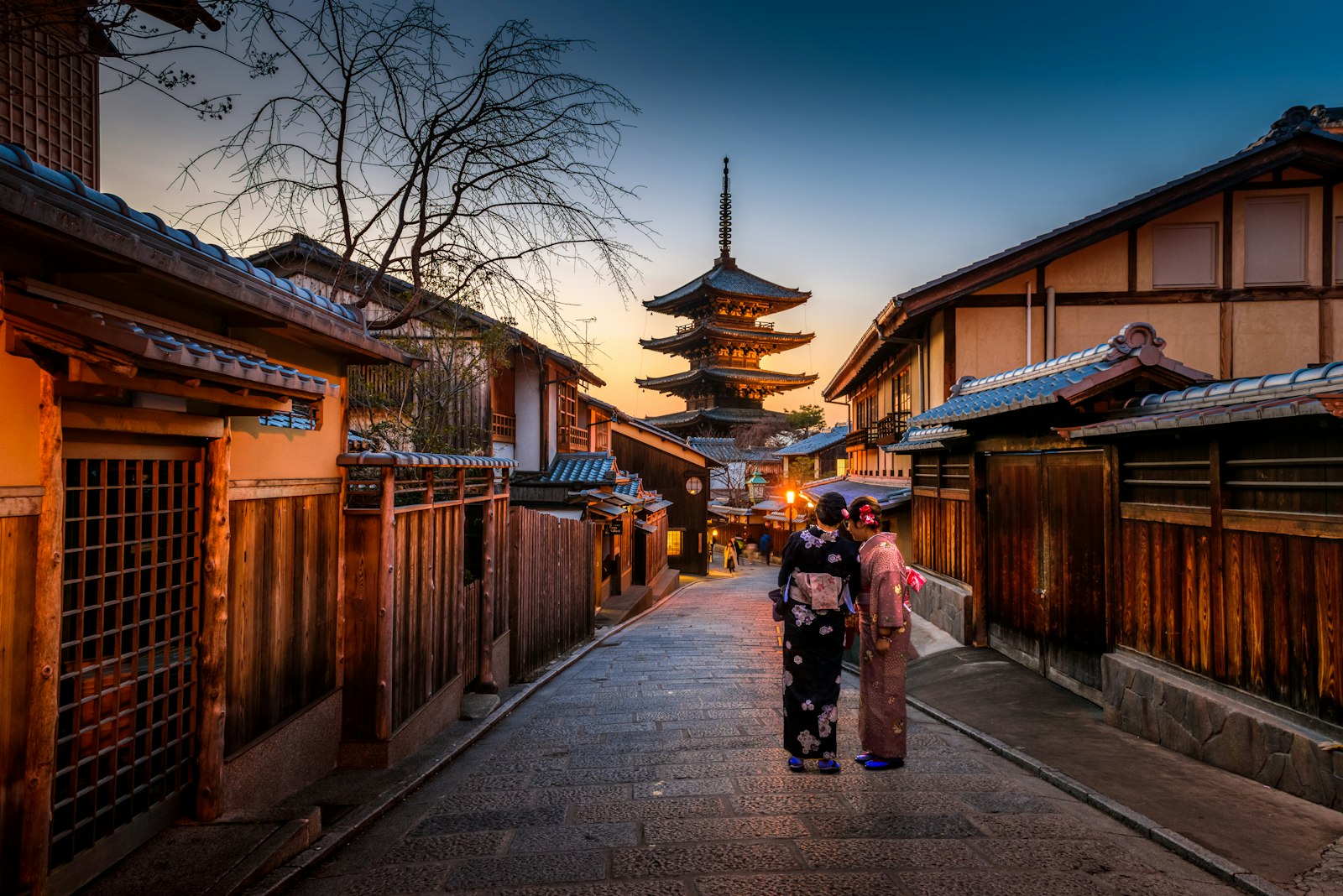
7. Tokyo (¥11,000-16,000/day): More expensive accommodation (hostels from ¥3,000, capsule hotels ¥3,500) but surprising budget options — standing soba (¥350), gyudon chains (¥400), free shrines and parks. The 24-hour subway pass (¥600) covers everything. Many top attractions are free (Meiji Shrine, Tsukiji, Senso-ji). 8. Kyoto (¥11,000-15,000/day): Temple entry fees add up (¥400-600 each, visiting 3-4 daily = ¥2,000). Accommodation is pricier during cherry blossom season. Balance paid temples with free shrines. 9. Sapporo (¥10,000-14,000/day): Hokkaido's capital has reasonable accommodation but eating out (soup curry ¥1,000, fresh crab from ¥3,000) is pricier.

Tip: Kyoto's budget hack: alternate paid temples with free shrines and walks — Fushimi Inari (free), Philosopher's Path (free), and Nishiki Market (free to walk) rival any paid attraction.

Money-Saving Strategies

Accommodation: manga cafes (¥1,500-3,000/night), capsule hotels (¥3,000-4,500), and hostels are clean and safe everywhere. Food: convenience store meals (¥500-800 for a full meal), gyudon chains (Yoshinoya/Matsuya/Sukiya from ¥400), supermarket discount sushi after 7pm (30-50% off). Transport: regional rail passes save 50-70% on multi-city travel. Walk — Japanese cities are safe and fascinating on foot. Shopping: 100-yen shops (Daiso, Seria) for souvenirs and daily needs. Free activities: shrine and temple grounds, city parks, hiking, window shopping, people watching. Timing: avoid Golden Week and Obon — prices spike 30-50% for accommodation.

Tip: The single biggest budget move: buy a regional rail pass appropriate to your route. A 7-day JR Pass (¥50,000) pays for itself in 2-3 shinkansen rides that would cost ¥25,000+ each.