Days 1-2: Tokyo's Museum Mile
Day 1: Ueno Park museum cluster — Tokyo National Museum (¥1,000) for samurai swords, Buddhist sculpture, and ukiyo-e woodblock prints. Then the adjacent National Museum of Western Art (¥500, Le Corbusier building, UNESCO site) for Impressionist masters. Day 2: Roppongi Art Triangle — Mori Art Museum for contemporary Japanese art (¥2,200 with observation deck), National Art Center Tokyo (free building by Kisho Kurokawa, paid exhibitions), and Suntory Museum of Art for traditional crafts (¥1,500). Evening: watch a kabuki performance at Kabukiza Theater in Ginza (single-act tickets from ¥1,000 for 90 minutes, no full-day commitment required).
Tip: Kabukiza's hitomaku-mi (single-act) seats on the 4th floor are perfect for curious tourists — no reservation needed, just queue 30 minutes before the act starts.
Days 3-4: Kamakura and Nikko
Day 3: Kamakura's Zen heritage — Engaku-ji (¥500) founded in 1282 after the Mongol invasions, Kencho-ji (¥500) Japan's first Zen training temple, and the Great Buddha at Kotoku-in (¥300). These temples are not mere tourist sites — monks still train here daily. The zazen (seated meditation) sessions at Engaku-ji (free, Saturday mornings) are open to visitors. Day 4: Nikko's Toshogu Shrine complex (¥1,600) — the most ornate religious architecture in Japan with 15,000+ gold-leaf carvings including the famous three wise monkeys and sleeping cat. The dramatic contrast with Zen simplicity reveals the range of Japanese religious aesthetics.
Tip: If visiting Nikko, the joint shrine/temple ticket (¥1,600) covers Toshogu, Futarasan Shrine, and Rinnoji Temple — worthwhile as the complete ensemble tells the full story.
Days 5-7: Kyoto Deep Culture
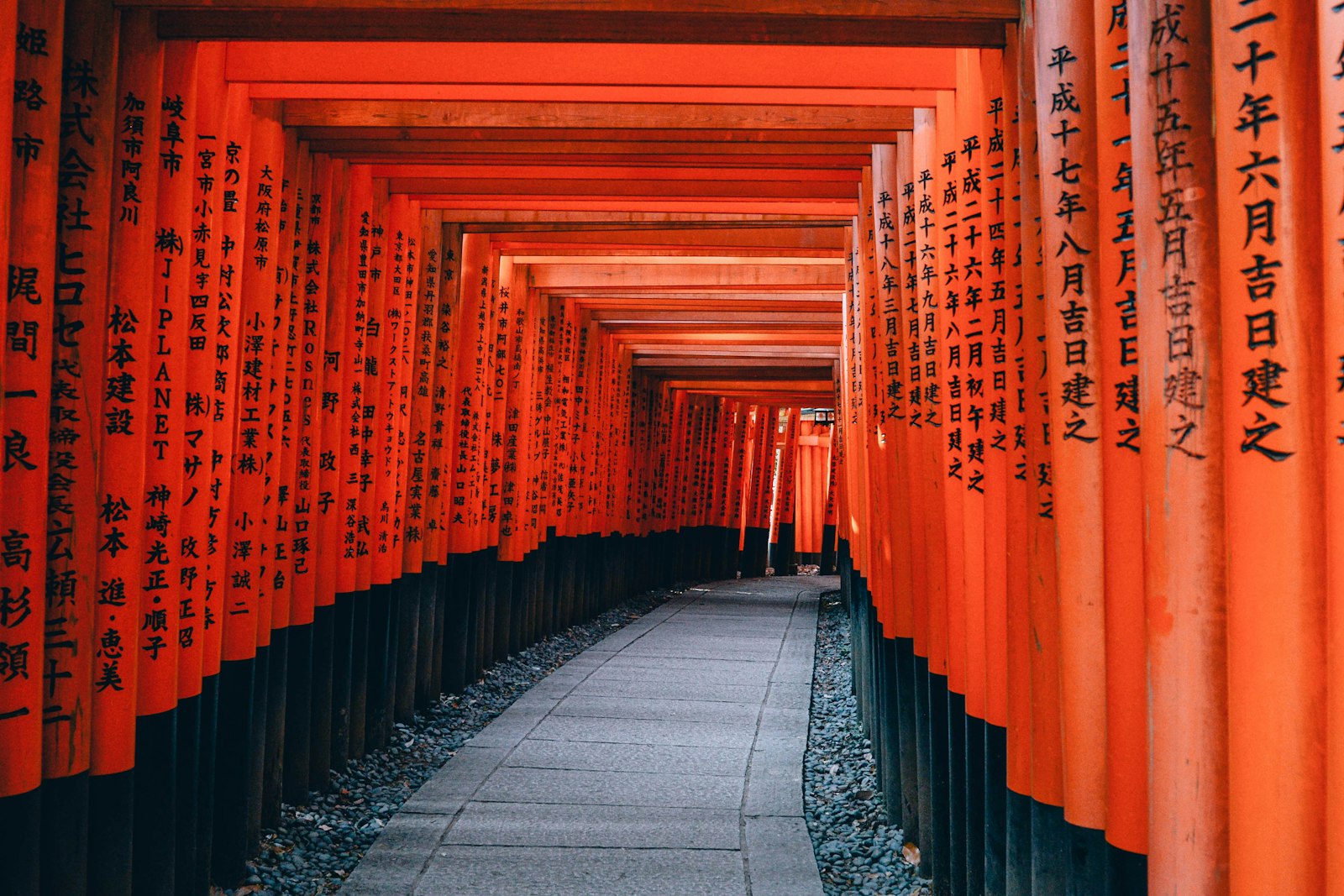
Day 5: Zen Buddhism — Ryoan-ji rock garden (¥500) for contemplation, Daitoku-ji sub-temples for moss gardens and tea rooms (¥400-¥500 each), and an authentic Japanese tea ceremony at Urasenke or Camellia Garden (¥3,000-¥5,000). Day 6: Living crafts — Nishijin Textile Center (free) for kimono weaving demonstrations, Kiyomizu-yaki pottery workshop in Higashiyama (¥3,500 to throw your own piece), and indigo dyeing at Shibori Museum (¥2,000 workshop). Day 7: Performing arts — morning maiko dance performance at Gion Corner (¥4,000), afternoon visit to Sanjusangendo (¥600, 1,001 golden Buddhist statues), evening Noh theater at Kongo Noh Theater (from ¥5,000).
Tip: Book a full-day private guide (¥30,000-¥50,000) for at least one Kyoto day — the depth of cultural context they provide transforms temple visits from sightseeing into genuine understanding.
Days 8-9: Naoshima Art Island
Day 8: Train from Kyoto to Okayama (45 min Shinkansen), ferry to Naoshima (65 min). Chichu Art Museum (¥2,100) — Monet's Water Lilies displayed in a Tadao Ando-designed underground concrete gallery with natural light. The experience of seeing Monet in this space is transformative. Benesse House Museum (¥1,300) integrates art into architecture overlooking the Inland Sea. Lee Ufan Museum (¥1,050) offers meditative minimalism. Day 9: Art House Project in Honmura village (¥1,050) — local houses and shrines converted into installations by world-class artists. Teshima Art Museum (adjacent island, ¥1,570) is a single droplet-shaped building where water percolates from the floor.
Tip: Plan Naoshima on Tuesday-Saturday (many sites close Monday). Allow full two days — rushing diminishes the contemplative art experience these spaces are designed for.
Day 10: Kanazawa — Craft City
Ferry back to mainland and Shinkansen to Kanazawa (2.5 hours from Okayama). Kanazawa's traditional crafts are living traditions, not museum pieces. Visit Kutani-yaki pottery studios in Higashiyama (free gallery viewing), try gold-leaf application at Hakuza (¥700 for gold-leaf souvenir), explore the Nagamachi samurai district with indigo-dyed Kaga-yuzen silk workshops (¥2,500 for a dyeing experience). The 21st Century Museum of Contemporary Art (¥450) bridges traditional and modern Japanese aesthetics. End with Omicho Market for fresh Kanazawa sushi featuring nodoguro (¥3,000-¥5,000). Depart from Kanazawa via Hokuriku Shinkansen.