Japan's Illumination Culture
Illuminations are deeply tied to Japan's romantic culture — winter illumination dates are one of the most popular couple activities. But they're equally enjoyed by families, groups of friends, and solo travelers. Most are free or modestly priced, making them accessible additions to any winter Japan trip. The best installations use light to complement natural or architectural features rather than simply overwhelming with quantity.
Tip: Arrive 30 minutes before illumination start time (usually 5-6 PM) to see the dramatic 'switch-on' moment and enjoy the display before peak crowds build around 7-8 PM.
Tokyo's Top Illuminations
Shibuya Blue Cave (November-December) creates a tunnel of 600,000 blue LEDs along the zelkova-lined approach to Yoyogi Park — striking against the urban backdrop. Caretta Shiodome (November-February) has a theatrical Canyon d'Azur show with light-and-music performances every 20 minutes in its interior atrium — free and always impressive. Yebisu Garden Place features a Baccarat chandelier (the world's largest) and red-carpet ambiance.
Tip: Combine Marunouchi illumination with the restored Tokyo Station facade lit up at night — walk from the station through the tree-lined avenue to the Imperial Palace moat for a triple feature.
Spectacular Regional Illuminations
Huis Ten Bosch (Nagasaki, year-round but peak winter, from ¥5,000) is a Dutch theme park with 13 million LEDs — the Canal Cruise through illuminated waterways is magical. Sagamiko Illumillion (Kanagawa, November-April, ¥1,000) covers an entire hillside in 6 million LEDs with a 'rainbow stairway' and mountaintop views. Kobe Luminarie (December, free) commemorates the 1995 earthquake with Italian-designed light arches creating a cathedral of light.
Tip: Nabana no Sato's 200m light tunnel alone is worth the trip from Nagoya. Go on a weekday for a leisurely experience — weekends see 60-90 minute waits to enter the tunnel.
Northern Japan & Nature Illuminations
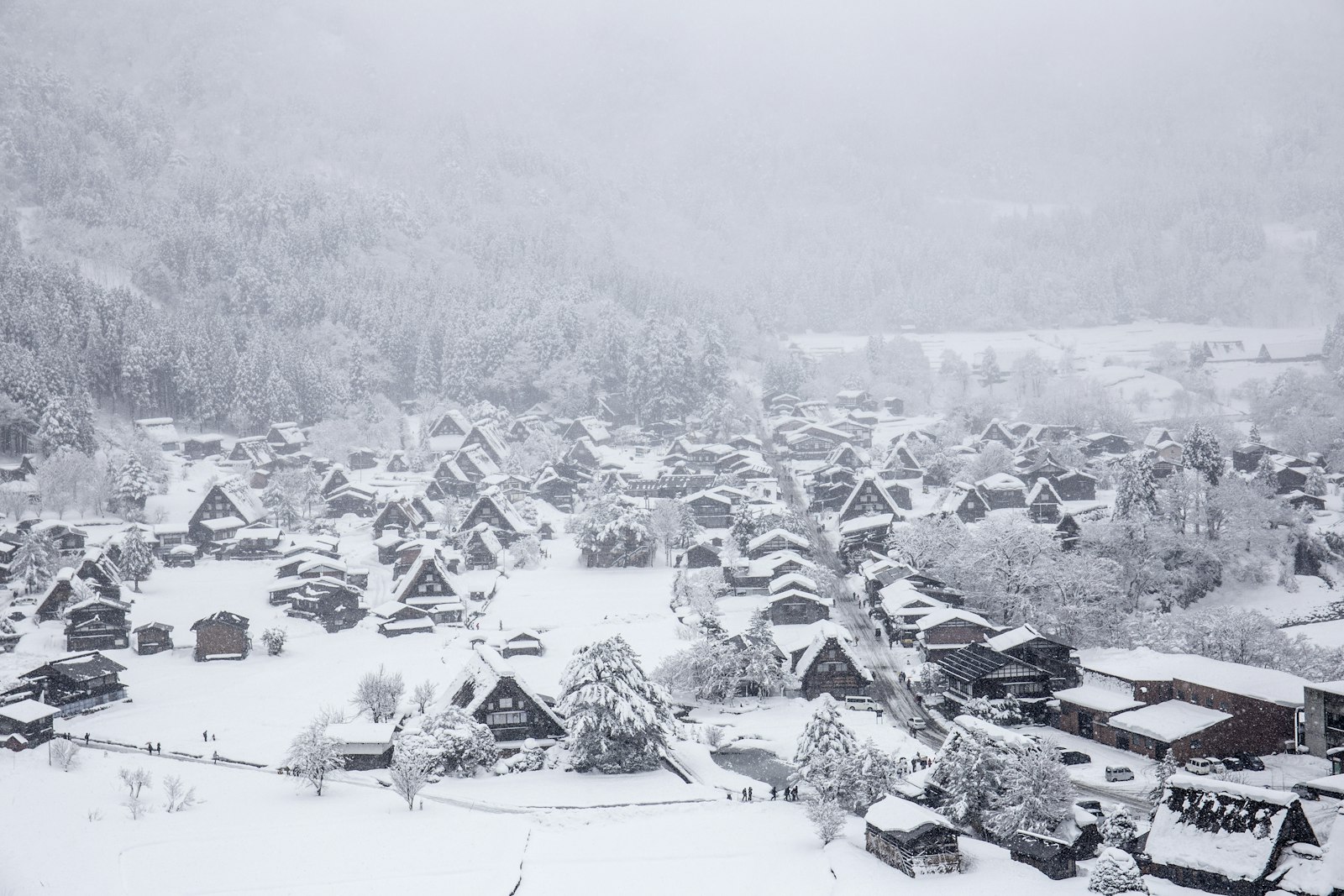
For unique natural illumination: Shirakawa-go (Gifu, January-February, reservation required) illuminates its UNESCO thatched-roof farmhouses against snowy mountains — one of Japan's most iconic winter images. Ouchi-juku (Fukushima, February) has a similar snow-lit thatched village. Kenroku-en Garden (Kanazawa, January-February) lights its snow-covered pines and yukitsuri rope supports for a uniquely Japanese winter garden illumination. Blue Pond (Biei, Hokkaido, November-April) illuminates its surreal turquoise water amid snow-covered birch trees.
Tip: Shirakawa-go's illumination nights require advance lottery registration (details on the Shirakawa-go tourism website from October). They limit visitors severely — winning a spot is special.
Viewing Tips & Planning
Winter illumination viewing means standing outside in 0-10°C temperatures for extended periods — dress warmly with insulated shoes, a warm coat, hat, and gloves. Hot drinks from nearby vending machines or cafes are essential. Many illumination venues have food stalls or adjacent restaurants. Photography tips: use a tripod or rest your phone on a railing for sharp night shots. Turn off flash (it ruins illumination photos). Shoot during 'blue hour' (20-30 minutes after sunset) when remaining sky light creates the most balanced exposures with the LEDs.
Tip: For the best illumination photos, visit during 'blue hour' (twilight, about 20 min after sunset) — the deep blue sky provides beautiful contrast with warm LED lights.