Why Japan's Powder Is Legendary
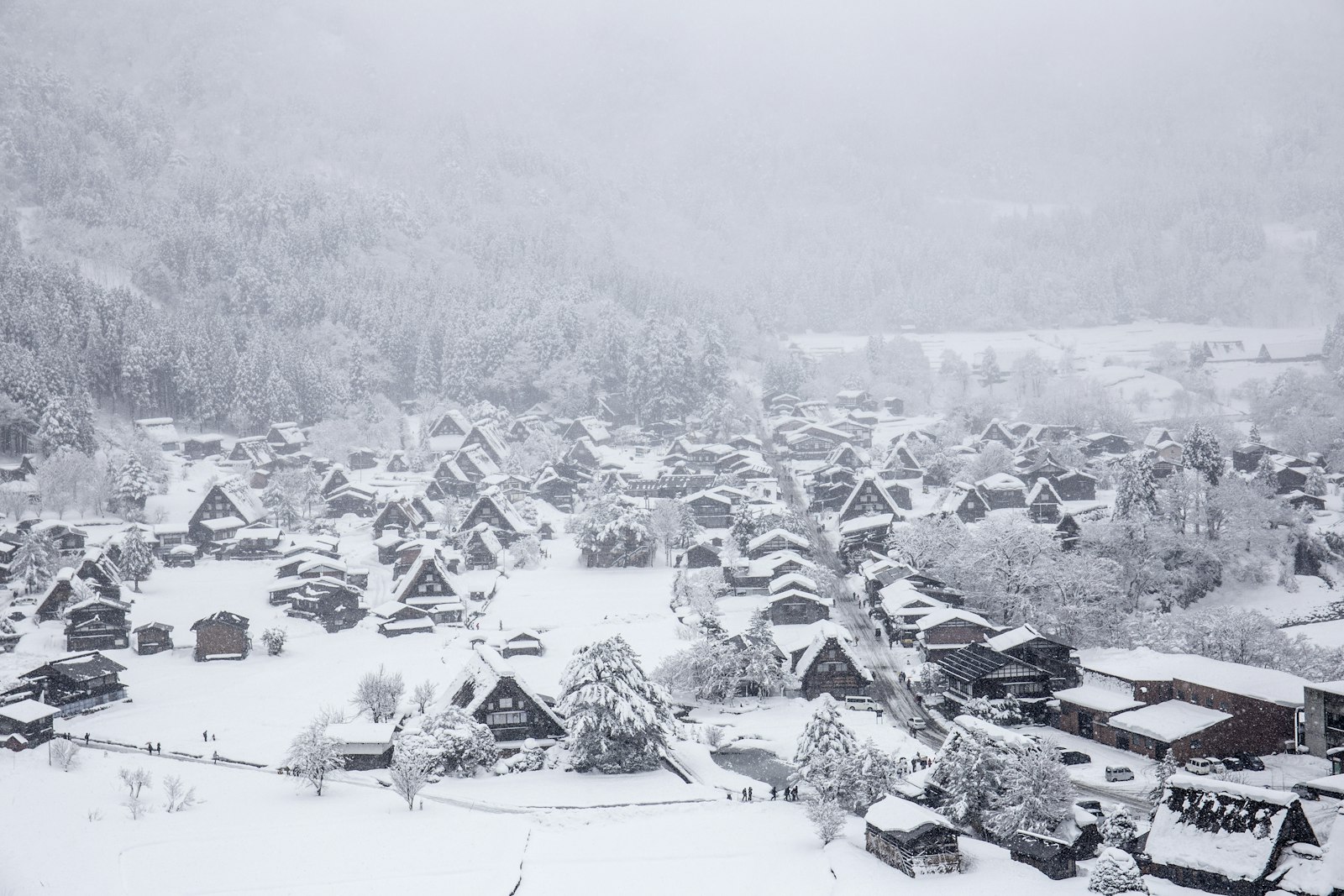
Japan receives more snowfall than almost anywhere on Earth — cold Siberian air masses pick up moisture crossing the Sea of Japan and dump 10-18 meters of snow annually on mountain ranges. The result is 'Japow': consistently dry, light powder that ski magazines rank among the world's finest. Japan has 500+ ski resorts, most with reliable snow from December through April. Beyond the snow quality, Japanese skiing offers something unique: world-class après-ski culture with onsen (hot springs), ramen, sake, and izakaya. The combination of powder, food, and culture is unmatched globally.
Tip: The deepest powder falls midweek in January-February. Weekends at popular resorts (Niseko, Hakuba) have significant crowds — plan midweek days for the best experience.
Top Hokkaido Resorts
Niseko (4 interconnected resorts): Japan's most international ski destination. 15m+ annual snowfall, excellent tree skiing, night skiing until 8:30 PM. Lift pass: ¥7,400/day all-mountain. 2.5 hours from Sapporo. Furano: Consistent cold powder (drier than coastal Niseko), less crowded, charming town. ¥6,200/day. Rusutsu: 3 mountains, tree runs everywhere, fewer foreign tourists. ¥6,800/day. Tomamu: Family-friendly, famous 'unkai terrace' sea-of-clouds views. Kiroro: Deep snow, no crowds, 40 minutes from Otaru. Hokkaido season: late November to early May.
Top Honshu Resorts
Hakuba Valley (10 resorts, Nagano): Japan Alps backdrop, 1998 Olympics venue. Happo-One is the flagship (¥6,500/day); Cortina is the powder playground. 4 hours from Tokyo by train/bus. Nozawa Onsen: Traditional village with 13 free public hot springs, excellent skiing above. ¥5,800/day. Myoko Kogen (Niigata): Heavy snowfall (sometimes the heaviest in Japan), uncrowded, authentic atmosphere. ¥5,500/day. Shiga Kogen: Largest linked resort in Japan (19 areas), high altitude means long season. Gala Yuzawa: Only 77 minutes from Tokyo Station by shinkansen (station connects directly to gondola). Day-trip friendly.
Costs and Passes
Lift passes: ¥4,500-7,400/day depending on resort. Multi-day passes save 10-20%. Ski rental: ¥5,000-8,000/day for skis/boots/poles; ¥7,000-10,000 for premium gear. Snowboard set: similar prices. Lessons: Group ¥5,000-8,000/half day, private ¥20,000-40,000/half day (English instructors available at Niseko, Hakuba). Accommodation: Budget lodges from ¥4,000/night, mid-range hotels ¥10,000-20,000, luxury chalets ¥50,000+. Niseko is the most expensive; Myoko and Nozawa are excellent value. Book by October for peak January-February dates.
Practical Tips for Ski Trips
Ship ski bags via Yamato takkyubin (¥3,000-5,000) rather than struggling through trains — deliver to your hotel 2 days before arrival. Backcountry: Growing but avalanche-aware — hire a guide (¥15,000-25,000/day) for off-piste touring. Avalanche beacons mandatory in backcountry areas. Onsen after skiing: Every ski town has multiple hot springs — the muscle recovery is real. Food: Japanese ski food is exceptional — curry rice, ramen, katsu on-mountain for ¥800-1,200. Gear shopping: End-of-season sales (March-April) in resort towns offer 50-70% off. Japanese domestic brands (Phenix, Goldwin, Descente) are premium quality.