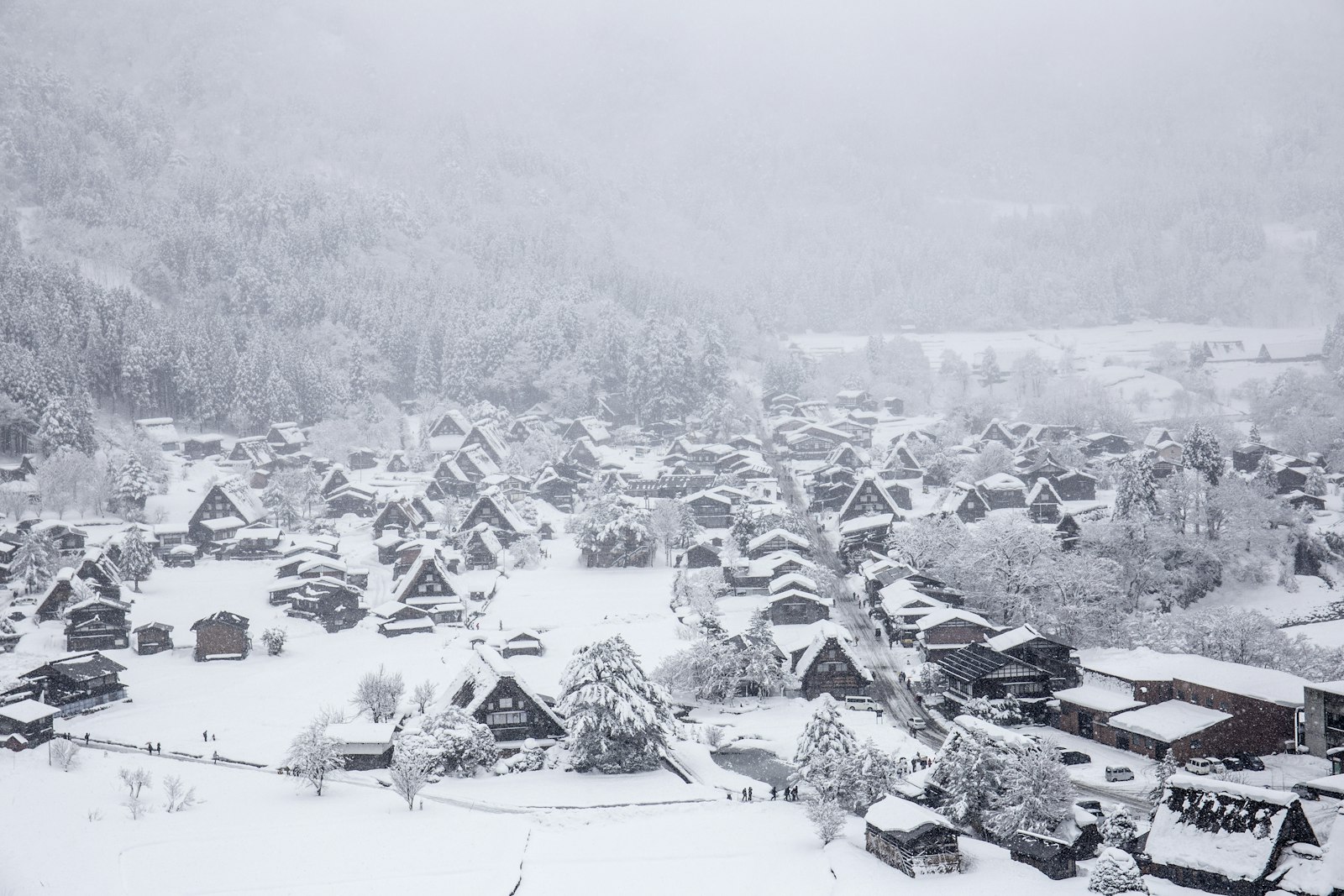
日本武士历史:城堡、博物馆与历史遗址
Activities 8 min read

日本武士历史:城堡、博物馆与历史遗址

The Samurai Era Overview

The samurai dominated Japanese history for nearly 700 years (1185-1868), evolving from provincial warriors to the ruling class that shaped Japanese culture, art, architecture, and philosophy. The code of bushido (way of the warrior) emphasized loyalty, honor, martial arts, and discipline — values that still permeate Japanese society. Key periods: Kamakura shogunate (1185-1333), the warring states period (Sengoku, 1467-1603) of legendary warlords like Oda Nobunaga and Tokugawa Ieyasu, and the peaceful Edo period (1603-1868) when samurai became scholar-administrators. The Meiji Restoration of 1868 abolished the samurai class, but their legacy is everywhere.

Tip: The three great unifiers — Nobunaga, Hideyoshi, and Ieyasu — are the most important figures in samurai history. Understanding their story unlocks the context of almost every castle and shrine you visit.

Best Samurai Museums

The Samurai Museum in Shinjuku, Tokyo (¥1,900) displays authentic armor, swords, and helmets with English explanations and live sword-drawing demonstrations. The Japanese Sword Museum in Sumida, Tokyo (¥1,000) focuses exclusively on the art of sword making with blades spanning 800 years. In Kyoto, the Samurai Ninja Museum (¥3,300) combines exhibits with hands-on sword and shuriken throwing experiences. Matsumoto Castle's interior museum has one of the finest collections of matchlock guns from the Sengoku period (included with ¥700 castle entry). The Ii Red Devil armor at Hikone Castle Museum (¥500) is iconic.

Tip: For the finest Japanese sword collection in the world, visit the Bizen Osafune Japanese Sword Museum in Okayama (¥500) — a working swordsmith forge where you can watch traditional blade-making techniques.

Samurai Districts and Towns

Kakunodate in Akita Prefecture preserves an entire samurai quarter — black-walled mansions line a 600-meter avenue with weeping cherry trees. Six houses are open (most free, Aoyagi-ke ¥500). Kanazawa's Nagamachi district retains the earth-wall compound structure of samurai residences, with the Nomura Samurai House (¥550) beautifully restored with garden. Hagi in Yamaguchi has a castle town where low-ranking samurai plotted the Meiji Restoration — their humble homes contrast dramatically with the luxury of higher-ranked warriors. Kitsuki in Oita is the smallest castle town in Japan with both samurai and merchant quarters intact (¥400 for 3 houses).

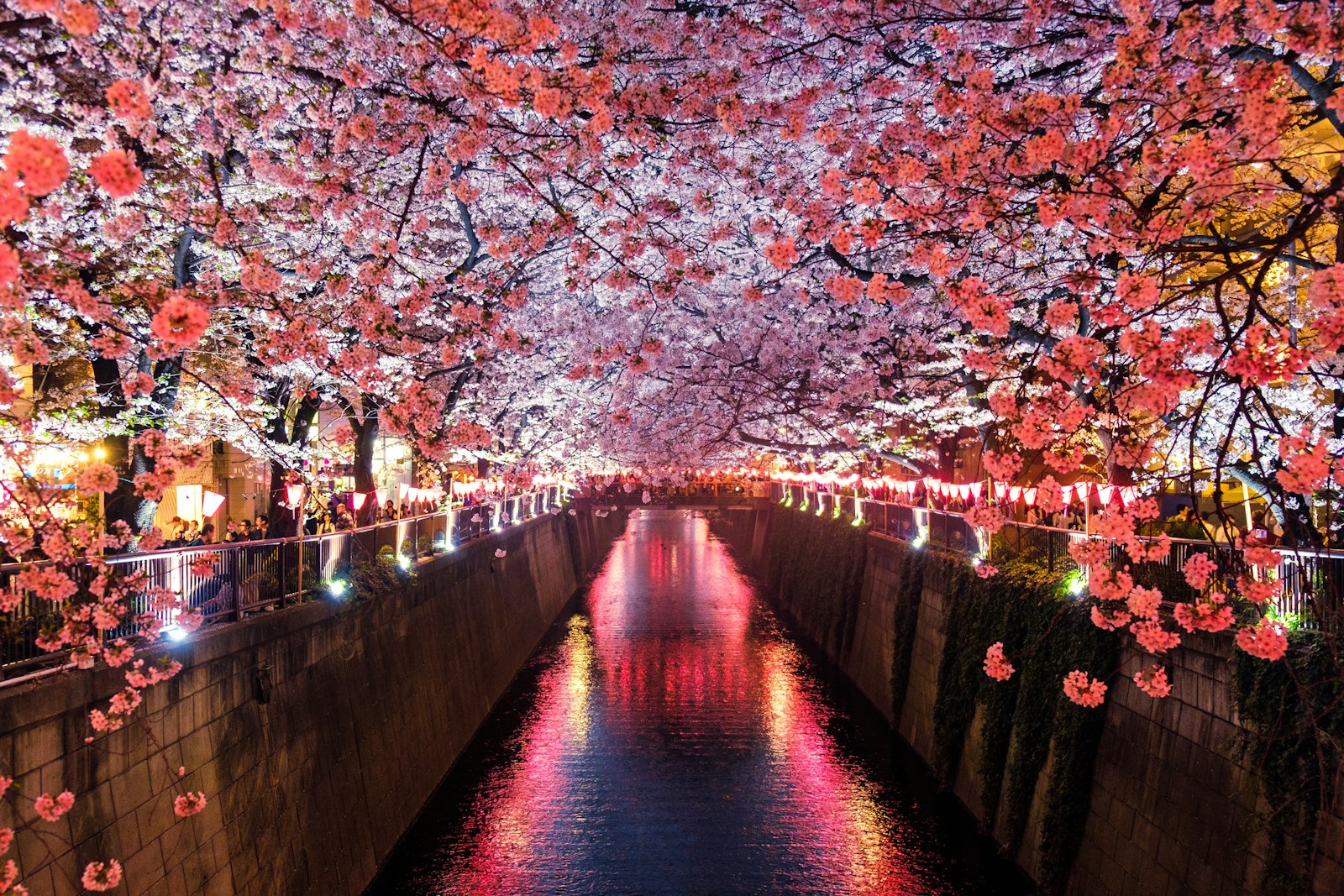
Tip: Kakunodate in late April combines samurai architecture with spectacular cherry blossoms — the weeping trees against black walls create Japan's most elegant spring scene.

Sword Forging and Martial Arts

Watch traditional sword forging at Bizen Osafune (Okayama), where smiths still use tamahagane steel and water quenching techniques unchanged for centuries. In Seki, Gifu Prefecture (Japan's blade capital since the 13th century), the Seki Swordsmith Museum (¥300) demonstrates the entire forging process. For martial arts: the Kodokan in Tokyo is the birthplace of judo (free to watch training). Butokuden in Kyoto hosts kendo and other martial arts demonstrations. Samurai swordsmanship (iaido) experiences are offered in Tokyo, Kyoto, and Kamakura (from ¥8,000 for a 1-hour session with a wooden practice sword).

Tip: The annual Seki Cutlery Festival (October) features live sword forging demonstrations, free knife sharpening, and massive discounts on Seki's world-famous kitchen knives.
Key Battlefields and Historical Sites

Sekigahara in Gifu Prefecture was the site of the decisive 1600 battle where Tokugawa Ieyasu defeated a western alliance to become shogun. A battlefield museum (¥500) and marked positions with flags let you walk the terrain. The 47 Ronin graves at Sengaku-ji Temple in Tokyo (free) tell the famous tale of samurai loyalty — 47 warriors avenged their lord's forced suicide and accepted their own death sentences. Shimabara Castle in Nagasaki (¥550) covers the 1637 rebellion of Christian samurai. Kurosawa's Seven Samurai filming locations are scattered across rural Japan, with the Toho Studios museum in Tokyo covering the legendary director's work.