Iconic Kyoto Shots
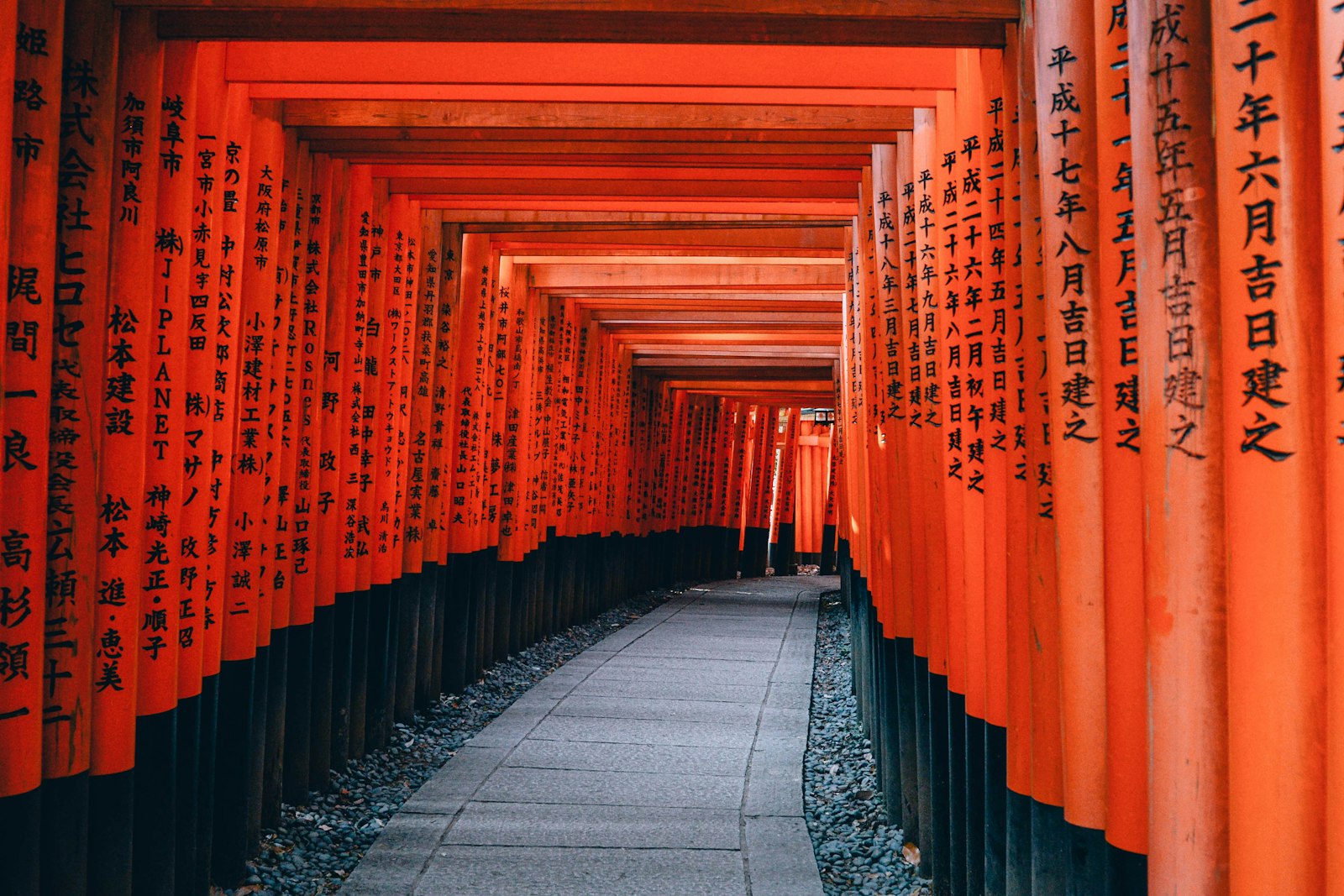
Fushimi Inari's thousand vermillion torii gates remain Japan's most photographed location. Arrive before 6:30 AM for empty gates — by 9 AM tour groups fill the path. The Arashiyama Bamboo Grove requires even earlier timing (before 7 AM) for crowd-free images. Kinkaku-ji (Golden Pavilion) is best shot from the designated viewpoint across the mirror pond — morning light makes the gold leaf glow warmest. The Yasaka Pagoda viewed from Ninenzaka slope creates the quintessential Kyoto composition with traditional machiya houses framing the five-story tower.
Tip: Weekday mornings in November (autumn foliage) or late March (early cherry blossoms) offer the best combination of color and manageable crowds.
Mount Fuji Viewpoints
Chureito Pagoda in Fujiyoshida frames the five-story pagoda with Fuji behind — climb 398 steps to the viewpoint. Best light is early morning from November to February when skies are clearest. Lake Kawaguchiko's north shore offers the classic reflection shot (Oishi Park at dawn). For a unique angle, try the view from Shimoyoshida neighborhood (honcho street looking north). In Tokyo, the Fuji view from the Bunkyo Civic Center observatory (free, 25th floor) surprises on clear winter mornings.
Tokyo Urban Photography
Shibuya Crossing photographed from the Shibuya Sky rooftop (¥2,000, 46th floor) gives a god's-eye view of the scramble. At street level, the Starbucks on the second floor of Tsutaya Building provides the classic angle. Akihabara's neon-drenched streets peak at dusk during blue hour. The Rainbow Bridge from Odaiba with Tokyo Tower behind is best at sunset. Shinjuku's Omoide Yokocho (Memory Lane) with its cramped yakitori stalls and lantern light is atmospheric in evening rain.
Traditional Japan
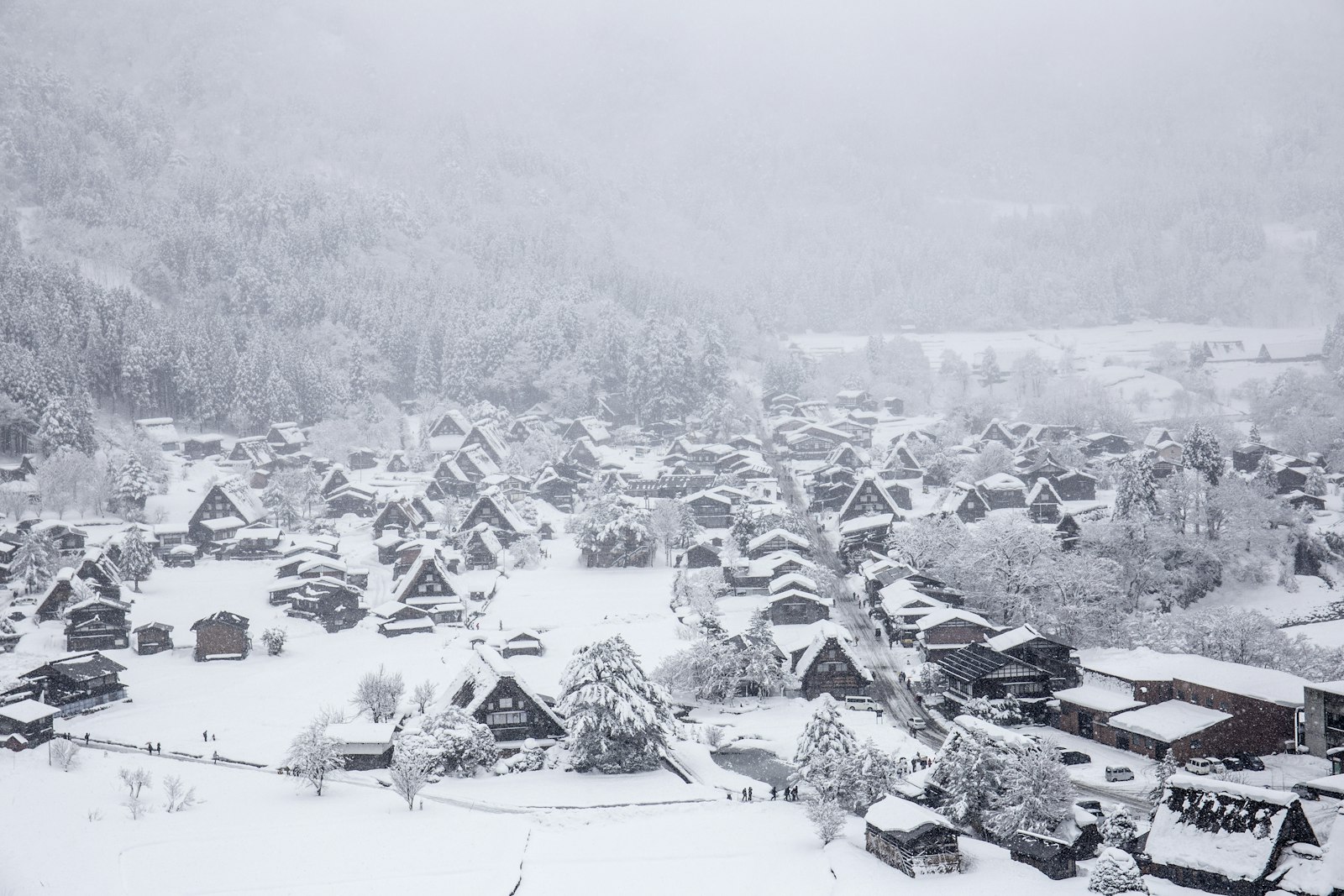
Itsukushima Shrine's floating torii gate on Miyajima is best photographed at high tide (check tide tables) during sunset when the gate turns silhouette against orange sky. Kenroku-en garden in winter with yukitsuri (snow-protection ropes) on pine trees is uniquely Japanese. The thatched-roof farmhouses of Shirakawa-go are magical in January snowfall — the annual light-up event (reservation required) creates fairytale images. Nara's deer bowing for crackers in front of Todai-ji makes for charming wildlife shots.
Tip: Golden hour (30 minutes before and after sunrise/sunset) transforms every Japanese scene. Plan your most important shot for this window.
Off-The-Beaten-Path Gems
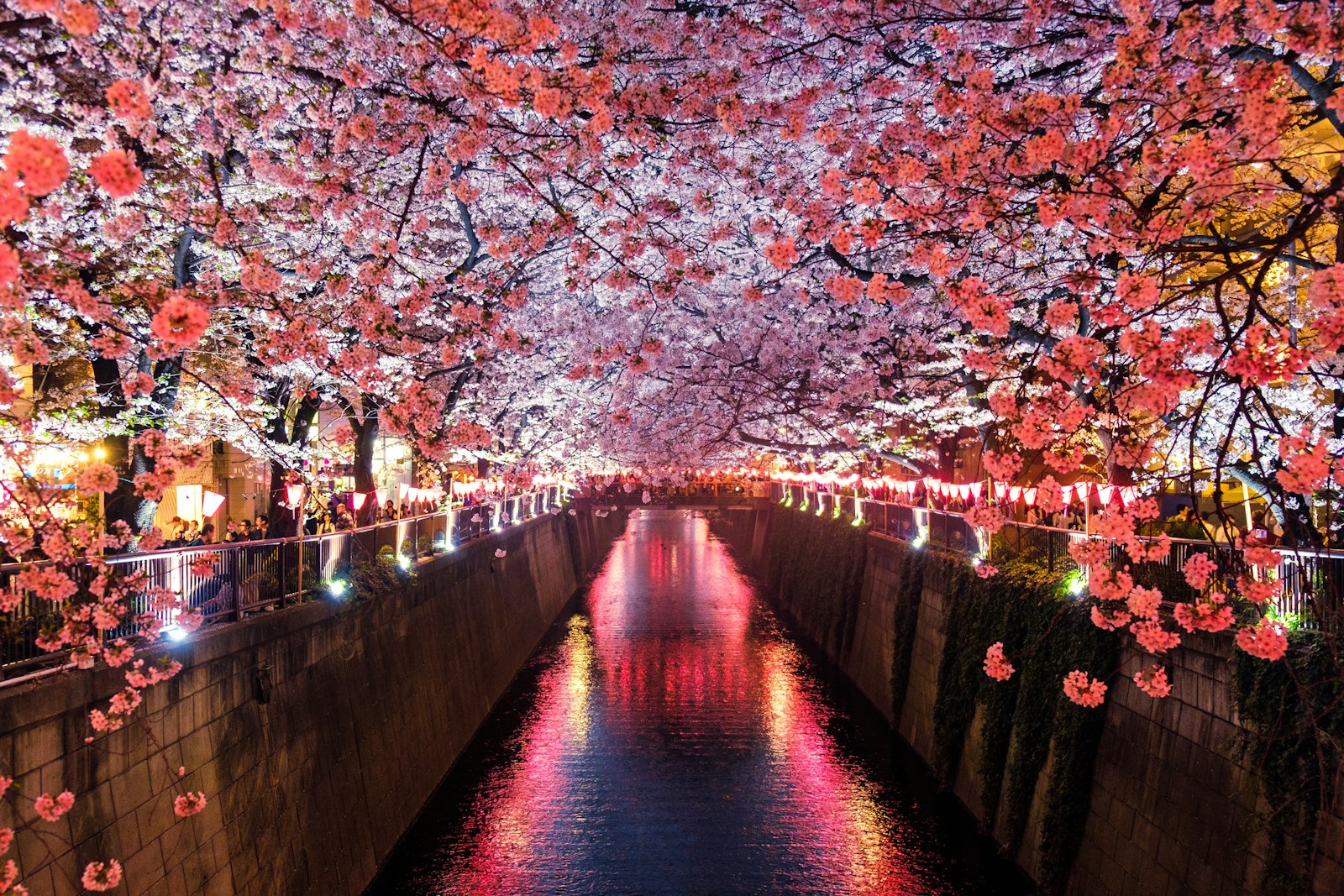
The blue pond (Aoiike) in Biei, Hokkaido glows an ethereal cobalt blue from aluminum particles — best in early morning calm. The Meguro River in Tokyo during cherry blossom season creates a tunnel of pink reflected in the water. Hitachi Seaside Park in Ibaraki turns into rolling blue hills of nemophila flowers each April-May (¥450 entry). The abandoned Sarushima Island in Tokyo Bay accessible by ferry from Yokosuka (¥1,500 return) offers dramatic overgrown military ruins.
Night Photography
Tokyo Tower from Shiba Park at night with the tower lit in orange is a classic. For a more creative angle, shoot from the base of Zojo-ji temple looking up. The Dotonbori canal in Osaka with Glico Running Man sign reflects neon in the water — shoot from Ebisubashi Bridge. Yokohama's Minato Mirai waterfront reflects entire buildings in the harbor. Roppongi Hills observation deck (¥2,200 for rooftop Sky Deck) offers open-air Tokyo night panoramas without glass reflections.