Matsuyama: Shikoku's Largest City
The city has a pleasant, walkable center connected by vintage streetcars that add to its nostalgic atmosphere. Shikoku remains one of Japan's least-visited regions by international tourists, meaning Matsuyama offers authentic experiences without the crowds of Kyoto or Tokyo.
Tip: Matsuyama's vintage streetcars cost just ¥180 per ride (day pass ¥800) and give the city an old-fashioned charm. Line 5 connects the station directly to Dogo Onsen.
Dogo Onsen: Japan's Oldest Hot Spring
The newer Dogo Onsen Asuka-no-Yu (¥600) next door offers a modern alternative with the same thermal water in a beautifully designed facility. The Dogo shopping arcade leading to the bathhouse is lined with souvenir shops, cafes, and small ryokan. In the evening, guests in yukata (cotton robes) stroll between their ryokan and the bathhouses — a scene unchanged for generations. The free Botchan Karakuri Clock outside performs mechanical puppet shows every 30 minutes from 8 AM to 10 PM.
Tip: Visit Dogo Onsen Honkan early morning (opens 6 AM) for the most peaceful bathing experience and shortest queues. Evening hours (after 8 PM) are also quieter.
Matsuyama Castle
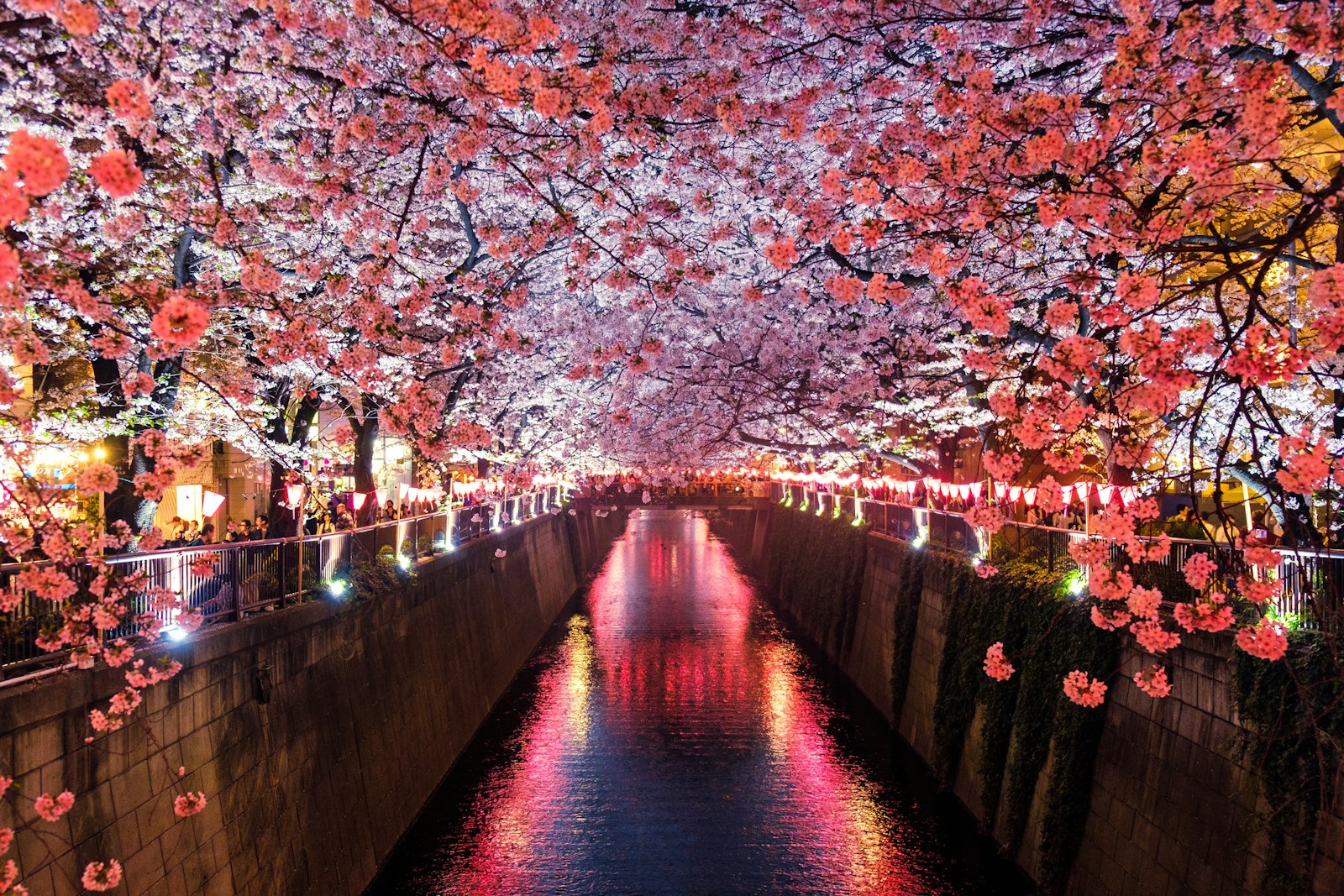
The castle's defensive features — steep stone walls, interconnected turrets, and narrow murder holes — are among the most sophisticated in Japan. Cherry blossoms (200 trees) in early April make the castle grounds spectacular. The Ninomaru Historical Garden (¥200) at the base was the lord's residence — now a peaceful garden with citrus groves and restored features. The chairlift offers open-air views and operates in all weather except typhoons.
Tip: Take the chairlift up (open-air views) and ropeway down (enclosed, faster) for the best of both experiences. The chairlift runs even in light rain.
Local Cuisine & Specialties
Jakoten is a Shikoku specialty — small fish ground whole (bones included) and deep-fried into savory flat cakes (¥200-300). Imotaki (taro stew, autumn only) is a hearty communal dish eaten outdoors along rivers in September-October. The Dogo shopping arcade sells excellent mikan products, Imabari towels (Japan's finest), and tart (a local custard-topped sponge cake, ¥150/piece at Hatada).
Tip: Buy fresh-squeezed mikan juice from the orange juice taps in Dogo arcade and Matsuyama airport — ¥350 for a cup of varieties you've never tasted before.
Getting There & Around
Within Matsuyama, the Iyotetsu streetcar network covers the city effectively. Line 5 connects JR Matsuyama Station to Dogo Onsen via the city center (Okaido/Matsuyama-shi stations). The city center is flat and walkable between the castle ropeway station, Okaido shopping arcade, and Matsuyama-shi Station. For the Shimanami Kaido, rent bicycles in nearby Imabari (40 minutes by train).
Tip: The Hiroshima-Matsuyama SuperJet ferry is a scenic and efficient way to connect western Honshu with Shikoku — 68 minutes across the Seto Inland Sea with island views.