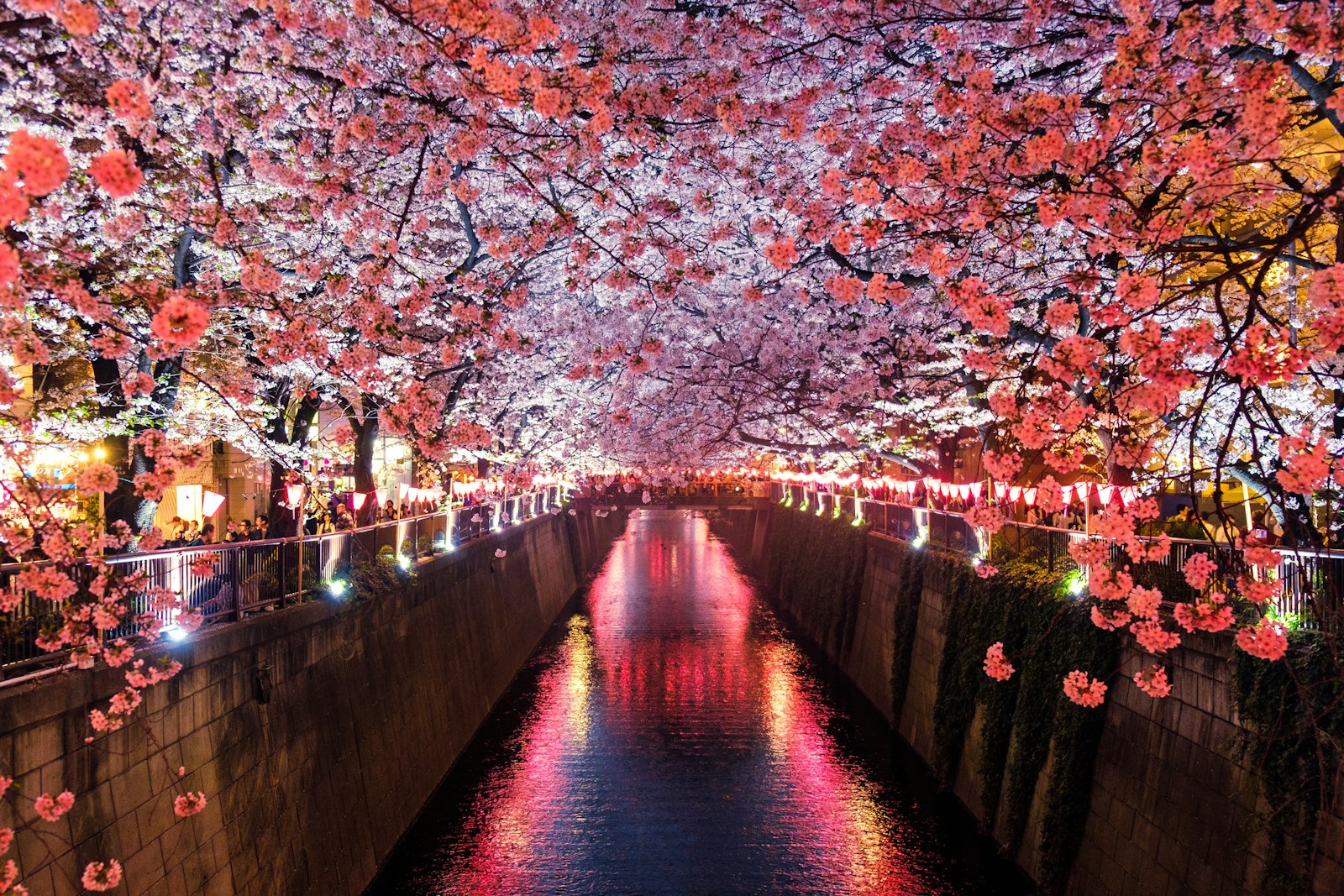
Why Kyoto Is Japan's Cultural Heart
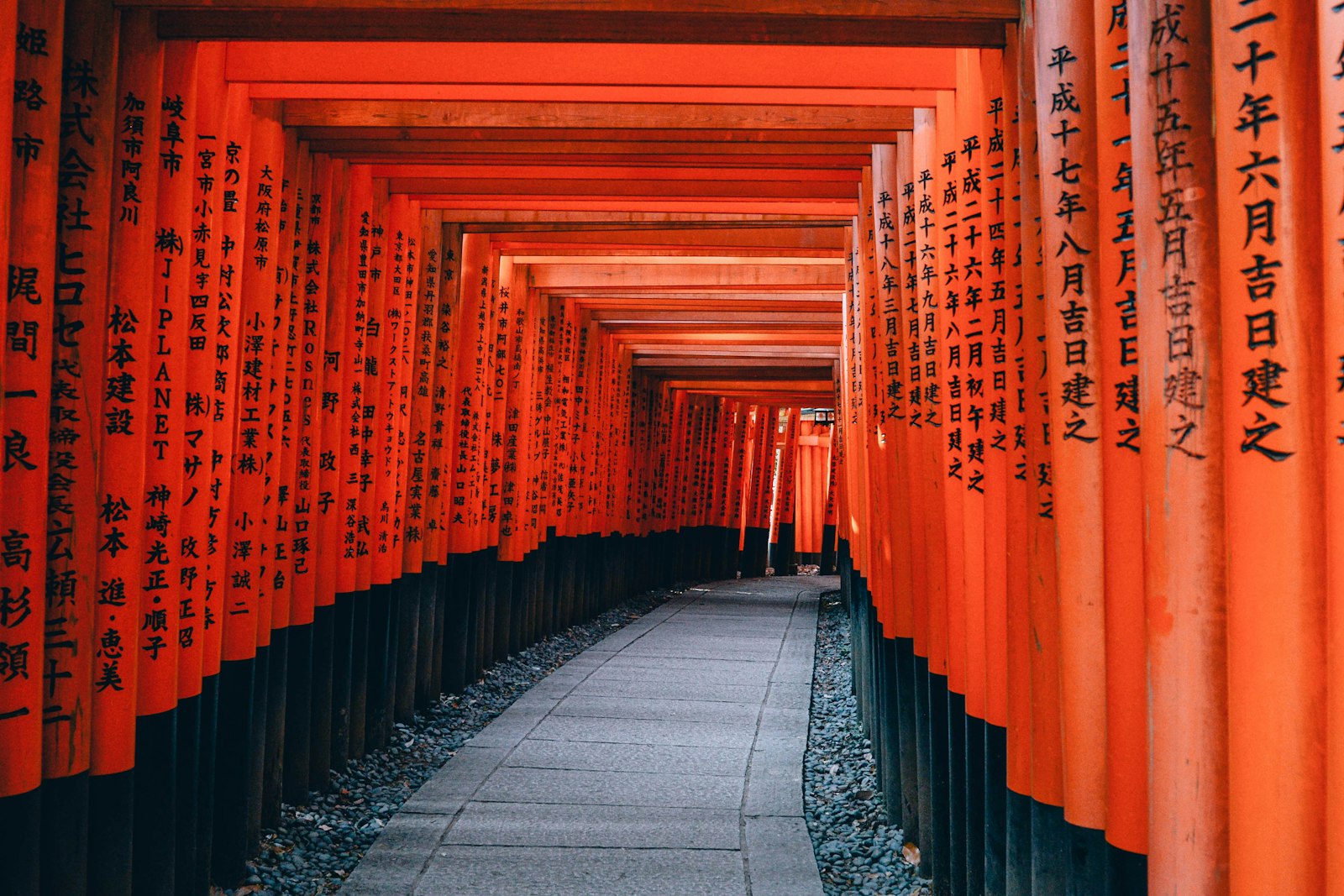
From the golden pavilion of Kinkaku-ji to the endless vermillion gates of Fushimi Inari, Kyoto delivers iconic Japan at every turn. The city is also the center of Japanese tea culture, kaiseki cuisine, and traditional crafts like Nishijin silk weaving.
Tip: Visit temples early morning (before 9 AM) to avoid tour groups. Kiyomizu-dera opens at 6 AM year-round.
Getting Around Kyoto
The Kyoto subway has two lines — Karasuma (north-south) and Tozai (east-west) — useful for the city center but limited for temple-hopping. For eastern Kyoto temples, consider renting a bicycle (¥1,000-1,500/day) from shops near Kyoto Station. The Randen tram line connects western sights like Arashiyama, while Keihan Railway runs along the eastern edge connecting Fushimi Inari to Gion.
Tip: Rent an electric-assist bicycle from Kyoto Cycling Project (¥1,800/day) — Kyoto is flat and cycling between temples is faster than buses.
Must-Visit Temples & Shrines
For quieter experiences, visit Tofuku-ji (spectacular in autumn), Daitoku-ji (Zen sub-temples with moss gardens), or Saiho-ji (the moss temple, requires advance reservation by postcard).
Tip: Saiho-ji (Moss Temple) requires mailing a return-postcard reservation weeks in advance. Apply at least one month before your visit.
Gion & Geisha Culture
To experience geisha culture properly, book a dinner at a traditional restaurant in Gion where maiko perform — expect ¥20,000-50,000 per person. Alternatively, the Gion Corner theater (¥5,000) offers nightly shows featuring dance, tea ceremony, and flower arrangement. Walk through Pontocho Alley, a narrow lane of restaurants overlooking the Kamogawa River, for a more casual evening.
Tip: Never block or grab a geisha/maiko for photos. The Gion district has banned photography on private side streets — respect the signs.
Where to Eat in Kyoto
Ippudo Ramen near Kyoto Station serves rich tonkotsu for ¥900. Musubi Cafe in Gion offers beautiful obanzai (Kyoto home cooking) sets for ¥1,200. For the city's famous matcha, visit Nakamura Tokichi in Uji (30 minutes south) for parfaits and tea made from leaves grown since 1859. Kyoto is also known for yudofu (simmered tofu) — try it at Nanzenji Junsei near the temple.
Tip: Book lunch kaiseki instead of dinner — you get the same seasonal artistry at 40-60% of the dinner price.
Best Day Trips from Kyoto
Uji (20 minutes by JR) is the matcha capital with Byodo-in Temple (featured on the ¥10 coin). Mount Hiei (1 hour by bus/cable car) offers panoramic views and the vast Enryaku-ji temple complex. Amanohashidate (2 hours by limited express) is one of Japan's three scenic views — a pine-covered sandbar you view upside-down between your legs.
Tip: Use the Kansai One Pass or ICOCA card for seamless travel between Kyoto, Osaka, and Nara without buying individual tickets.