Kumamoto: Castle Town at a Volcano's Foot
Beyond the castle, Kumamoto offers beautiful Suizenji Garden, unique local cuisine (including horse meat sashimi), and serves as the gateway to Mount Aso's lunar landscapes. The city of 740,000 people has a pleasant, compact center easily explored on foot or by streetcar. With the Kyushu Shinkansen connecting it to Fukuoka in just 35 minutes, Kumamoto makes an easy day trip or rewarding overnight stop.
Tip: The Kyushu Shinkansen connects Fukuoka (Hakata) to Kumamoto in just 35 minutes (¥5,230) — easy enough for a day trip.
Kumamoto Castle: Japan's Finest Fortress
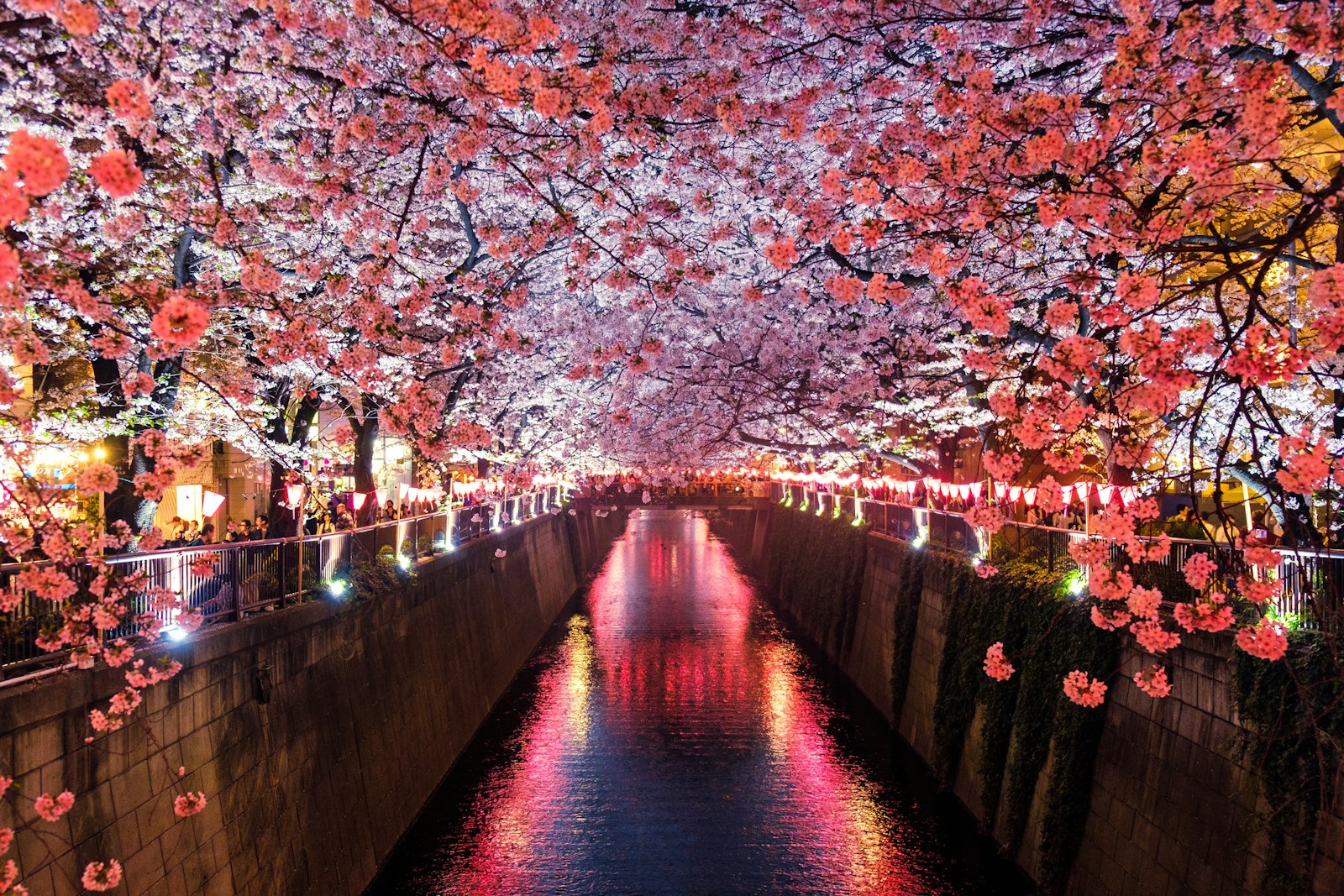
A special elevated walkway lets visitors see the damaged walls up close — a powerful illustration of both the earthquake's force and the ongoing restoration effort. The castle grounds are free to walk and particularly beautiful during cherry blossom season (late March) when 800+ trees bloom. The Josaien shopping complex at the castle's base sells local specialties and has restaurants serving Kumamoto cuisine.
Tip: Walk the special earthquake recovery route to see sections of collapsed stone walls being painstakingly restored — it's a rare chance to witness Japanese castle reconstruction techniques.
Mount Aso: A Living Volcano
The vast Kusasenri grassland (accessible even when the crater is closed) is a dramatic volcanic plain with horse riding (¥1,500/15 minutes). Komezuka is a perfectly cone-shaped mini-volcano covered in green grass. The drive through the caldera is spectacular — rolling grasslands, steaming vents, and distant peaks. From Kumamoto, reach Aso by JR Hohi Line (1 hour 10 minutes to Aso Station, ¥1,140) then bus to the crater area (40 minutes, ¥650).
Tip: Check Aso's volcanic alert level before visiting — Level 2 or above means the crater is closed. The Kusasenri grassland and caldera views remain accessible even during restrictions.
Suizenji Garden & Local Cuisine
Kumamoto's most unique dish is basashi — raw horse meat sashimi served thinly sliced with ginger and soy sauce. It's surprisingly delicate and tender. Try it at Suganoya (set from ¥1,800) or Aoyagi in the entertainment district. Karashi renkon (lotus root stuffed with mustard and deep-fried, ¥500-800) is another local specialty. Taipien — a clear soup with glass noodles, seafood, and vegetables — is Kumamoto's Chinese-influenced comfort food, found at canteens and restaurants citywide (¥700-900).
Tip: Basashi (horse sashimi) is leaner and more delicate than you'd expect. Order it as a starter before your main meal — it pairs excellently with local shochu.
Getting Around & Day Trips
Day trips: Kurokawa Onsen (90 minutes by bus, ¥2,200) is one of Japan's most charming hot spring towns — buy an onsen-hopping pass (¥1,300 for 3 baths). Takachiho Gorge (2 hours by bus) features a dramatic volcanic gorge with rental boats rowing between cliff walls (¥4,100/30 minutes). Amakusa Islands (2 hours by car) offer dolphin watching (¥4,500) and hidden Christian heritage sites.
Tip: Kurokawa Onsen's 'nyuto tegata' pass (¥1,300) lets you try three different ryokan baths. The town is tiny and walkable — all ryokan are within 10 minutes of each other.