Why Rent a Kimono in Japan
Wearing a kimono while exploring temples and traditional streets is one of Japan's most popular tourist experiences — and locals love seeing visitors dressed up. Rental shops handle everything: selection, dressing (obi tying is complex), hair styling, and accessories. You walk out looking polished and spend the day exploring. Kyoto is the most popular location (Higashiyama district, Arashiyama, Fushimi Inari), but Tokyo (Asakusa, Harajuku), Kanazawa, and Kamakura also have excellent rental shops. Many couples, groups, and solo travelers of all genders participate.
Tip: Book the earliest time slot (usually 9-10 AM) to maximize your rental period and get the best kimono selection before popular patterns are taken.
Best Rental Shops and Prices
Kyoto: Yumeyakata (Gojo, from ¥3,500): Huge selection, professional dressing, hair set ¥1,500 extra, locations near Kiyomizu-dera and Gion. Wargo (multiple locations, from ¥2,980): Budget-friendly chain with good quality, online booking, 8 Kyoto branches. Okamoto (Kiyomizu area, from ¥4,000): Premium fabrics, excellent for photography. Tokyo: Wargo Asakusa (from ¥2,980): Walk to Senso-ji in kimono. Vasara (multiple locations, from ¥3,278): Branches at Tokyo Tower and Kamakura. Rental typically includes kimono, obi belt, bag, sandals (zori), and accessories.
What to Expect: The Dressing Process
Arrive at your reserved time and choose a kimono from hundreds of options organized by color and pattern. Staff will recommend combinations based on season and your preferences. The dressing process takes 15-20 minutes — a professional kitsuke (kimono dresser) layers the garments: undergarments, nagajuban (inner robe), kimono, and obi (wide sash). You do not need to bring anything — shops provide everything from underwear covers to tabi socks. Hair styling (¥1,500-3,000 extra) is worth it for a polished look. Most shops offer men's kimono and yukata (lighter summer version) too.
Tips for a Comfortable Day in Kimono
Walk in small steps — the narrow cut restricts stride. Zori sandals take getting used to; bring bandaids for potential blisters. Stairs and sitting are tricky — hold the front hem slightly when climbing steps. Use the restroom before dressing (it is manageable after, but slower). Eat carefully — sleeves catch on everything. Choose a winter-lined kimono (awase) for cold months or a lighter hitoe for summer. Return time: Most shops require return by 5-6 PM same day. Late return fees are ¥1,000-2,000/hour. Some shops offer 'next-day return' for ¥1,000-2,000 extra — useful for evening plans.
Best Photo Spots While Wearing Kimono
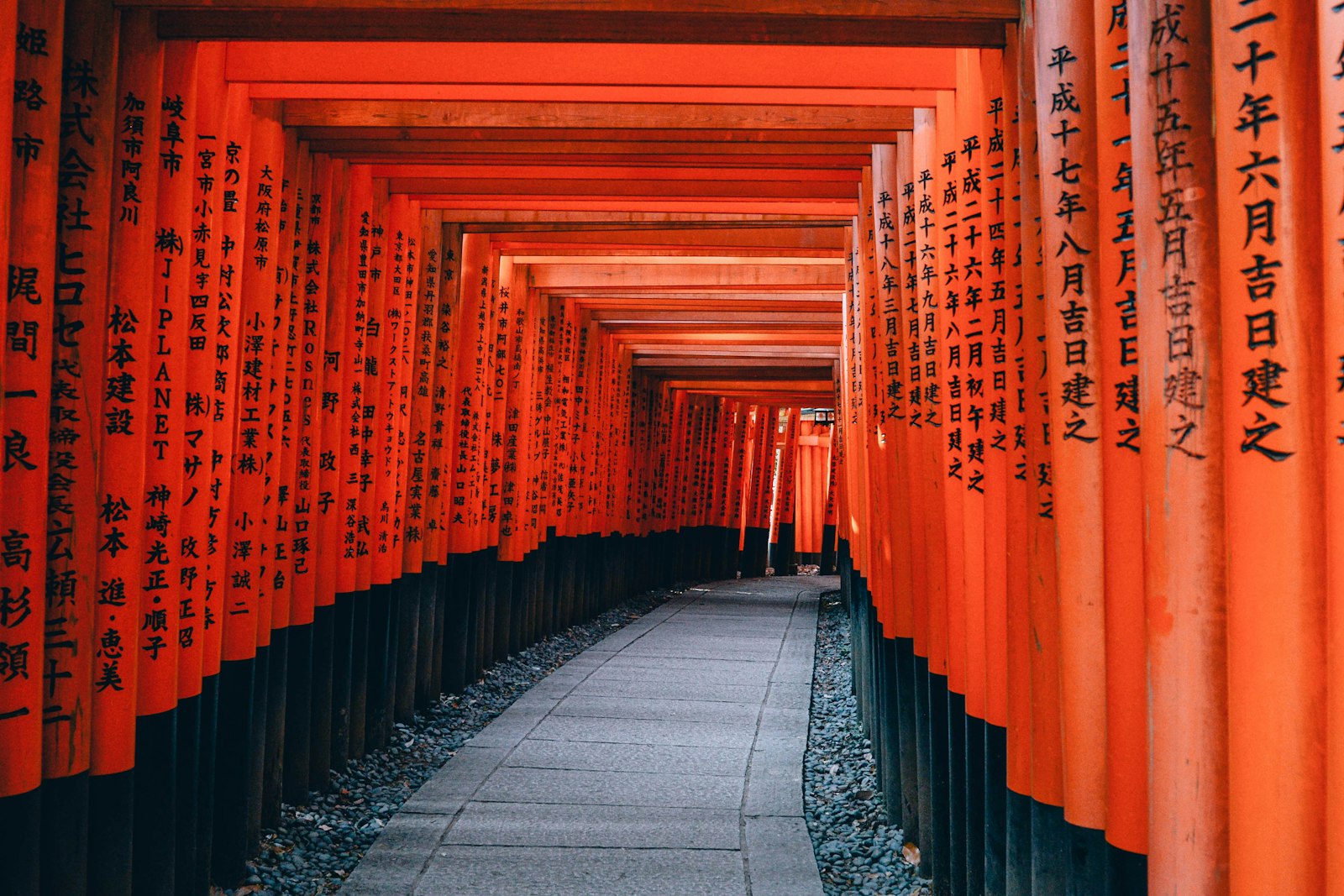
Kyoto: Fushimi Inari orange torii gates (early morning for fewer crowds), Yasaka Pagoda in Higashiyama (the iconic Kyoto photo), Arashiyama Bamboo Grove, Ninenzaka stone steps, Kinkaku-ji (Golden Pavilion) reflection. Tokyo: Senso-ji temple and Nakamise-dori (Asakusa), Meiji Shrine forested path, Imperial Palace East Gardens. Kanazawa: Higashi Chaya geisha district. Kamakura: Hokokuji Bamboo Temple, Tsurugaoka Hachimangu. Many shops offer professional photography packages (¥5,000-15,000) with edited photos delivered digitally.