Traditional Japanese Architecture
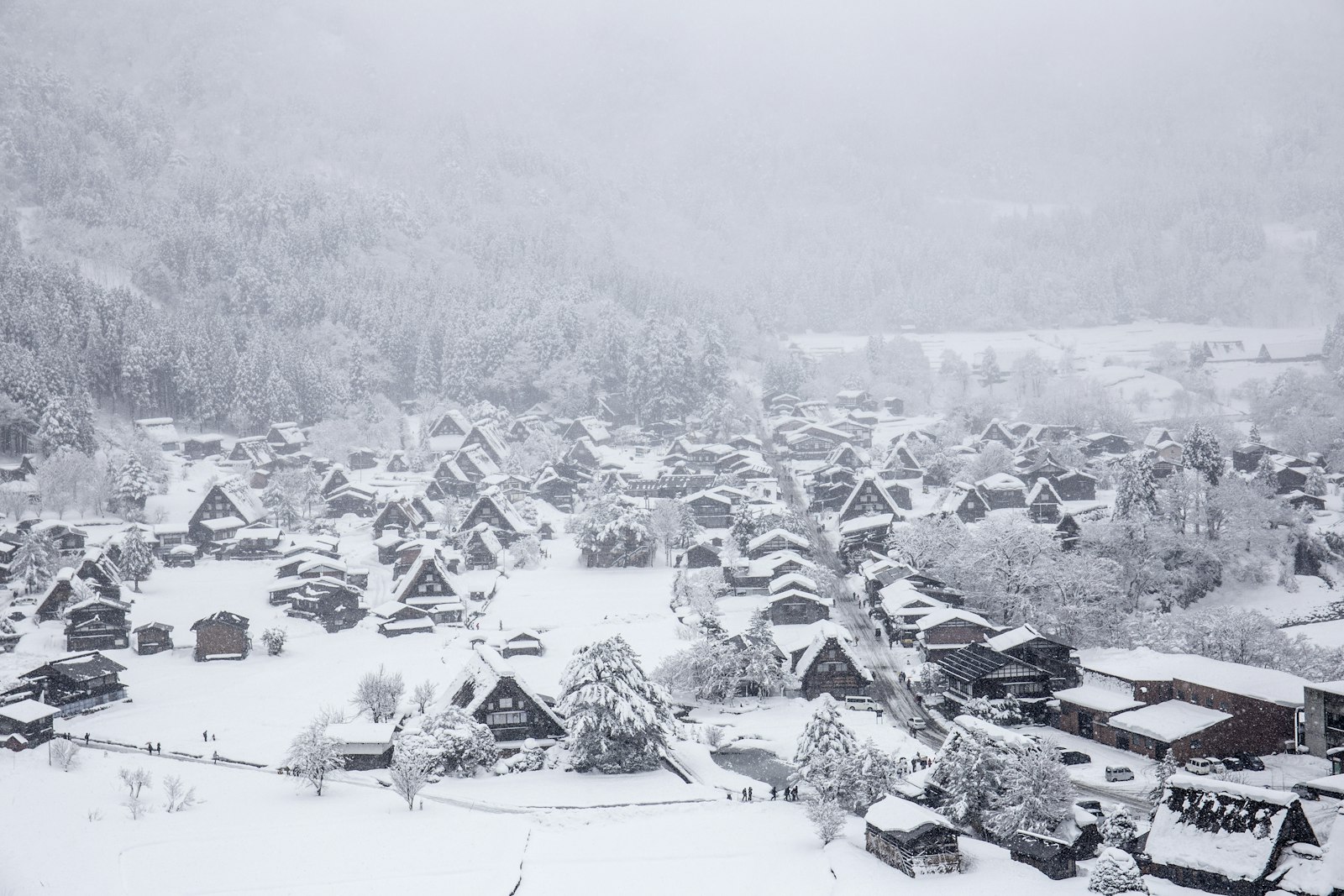
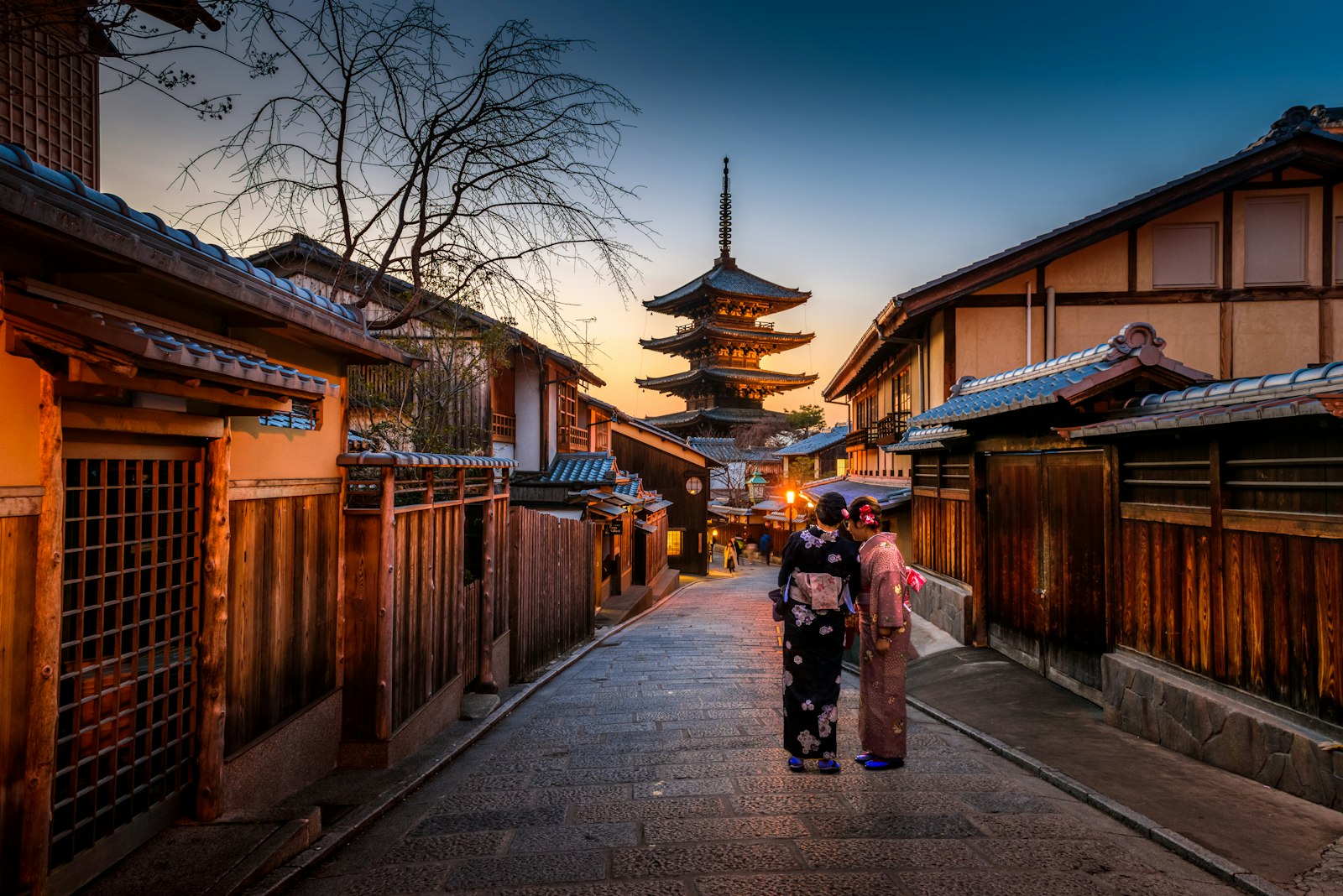
Japanese traditional architecture is defined by wood construction, post-and-beam framing, sliding screens (fusuma and shoji), tatami floor modules, and deep integration with nature. Horyu-ji near Nara contains the world's oldest surviving wooden buildings (7th century, ¥1,500). The technique of interlocking joints without nails (tsugite) allows buildings to flex during earthquakes. Ise Grand Shrine represents pure Shinto architecture — rebuilt every 20 years using the exact techniques from 690 AD (free). Katsura Imperial Villa in Kyoto (free, reservation required) is considered the masterpiece of Japanese residential architecture. Shirakawa-go's gassho-zukuri farmhouses have steep thatched roofs to shed heavy snow (free village, individual houses ¥300-¥400).
Tip: Katsura Rikyu must be booked through the Imperial Household Agency website — it is free but limited to small guided tours. Apply 2-4 weeks ahead.
Castle Architecture
Japanese castles evolved from wooden hilltop forts to the spectacular stone-and-plaster structures visible today during the Sengoku period (1467-1603). Only 12 original castle keeps survive — Himeji (¥1,050), Matsumoto (¥700), and Hikone (¥800) are the most impressive. Defensive features include ishigaki stone walls with impossible-to-climb curves (musha-gaeshi), zigzag approaches to slow attackers, hidden rooms for ambush (ishi-otoshi), and moats that could be flooded. Osaka Castle (¥600) shows how concrete reconstructions preserve the exterior form while creating modern museum interiors. The contrast between original interiors (steep wooden stairs, creaking floors) and reconstructions reveals why preserving originals matters.
Tip: Visit both an original castle (Himeji or Matsumoto) and a reconstruction (Osaka or Nagoya) to appreciate the authentic textures of 400-year-old wood versus modern concrete interpretations.
Modern Masters — Tadao Ando
Self-taught architect Tadao Ando transformed Japanese architecture with his signature exposed concrete and natural light. His buildings are meditation in material. Must-visit Ando works: Chichu Art Museum on Naoshima (¥2,100) — an underground museum lit entirely by natural light, housing Monet and James Turrell. The Church of the Light in Ibaraki, Osaka (¥500, Sunday service open to visitors) features a cruciform slit in concrete that floods with light. Omotesando Hills in Tokyo (free) replaced historic Dojunkai apartments with a spiraling commercial complex. The 21_21 Design Sight in Roppongi, Tokyo (¥1,200) hosts rotating design exhibitions beneath a folded-steel roof.
Tip: Ando's buildings photograph beautifully in overcast weather — the even light reveals the texture of his signature exposed concrete better than harsh sunlight.
Tokyo's Architectural Highlights
Tokyo is an open-air architecture museum. The National Art Center in Roppongi (free entry, designed by Kisho Kurokawa) has an undulating glass facade. The Prada Building in Omotesando (Herzog and de Meuron) is a crystalline grid of concave and convex glass panels. Nakagin Capsule Tower in Ginza (Kisho Kurokawa, 1972) was demolished in 2022 but capsules were preserved — some relocated to museums. The Tokyo International Forum (free entry) has a vast glass atrium likened to a ship's hull. Mode Gakuen Cocoon Tower near Shinjuku Station wraps 50 floors in a white mesh. Nezu Museum (Kengo Kuma, ¥1,300) transitions from Omotesando bustle to a hidden bamboo garden in steps.
Tip: Walk Omotesando avenue from Harajuku to Aoyama for the highest concentration of architect-designed buildings in Tokyo — Ando, Ito, SANAA, and others line both sides.
Kengo Kuma and the New Wave
Kengo Kuma's philosophy of natural materials and dissolving buildings into their environment defines Japan's current architectural direction. His Japan National Stadium for the 2020 Olympics (Sendagaya Station) uses layered timber from all 47 prefectures. The Yusuhara Wooden Bridge Museum in Kochi (free) cantilevered over a river gorge. V&A Dundee in Scotland showed his international reach. SANAA (Kazuyo Sejima and Ryue Nishizawa) designed the ethereal 21st Century Museum in Kanazawa (¥450) — a transparent circle with no front or back. Sou Fujimoto's Serpentine Pavilion alumni and Junya Ishigami push Japanese architecture further into conceptual territory. Architecture tours (from ¥15,000) in Tokyo and Osaka provide expert context.