初学者在日本滑雪指南:滑雪场推荐与课程攻略
Special Interest 6 min read

初学者在日本滑雪指南:滑雪场推荐与课程攻略

Why Learn to Ski in Japan?

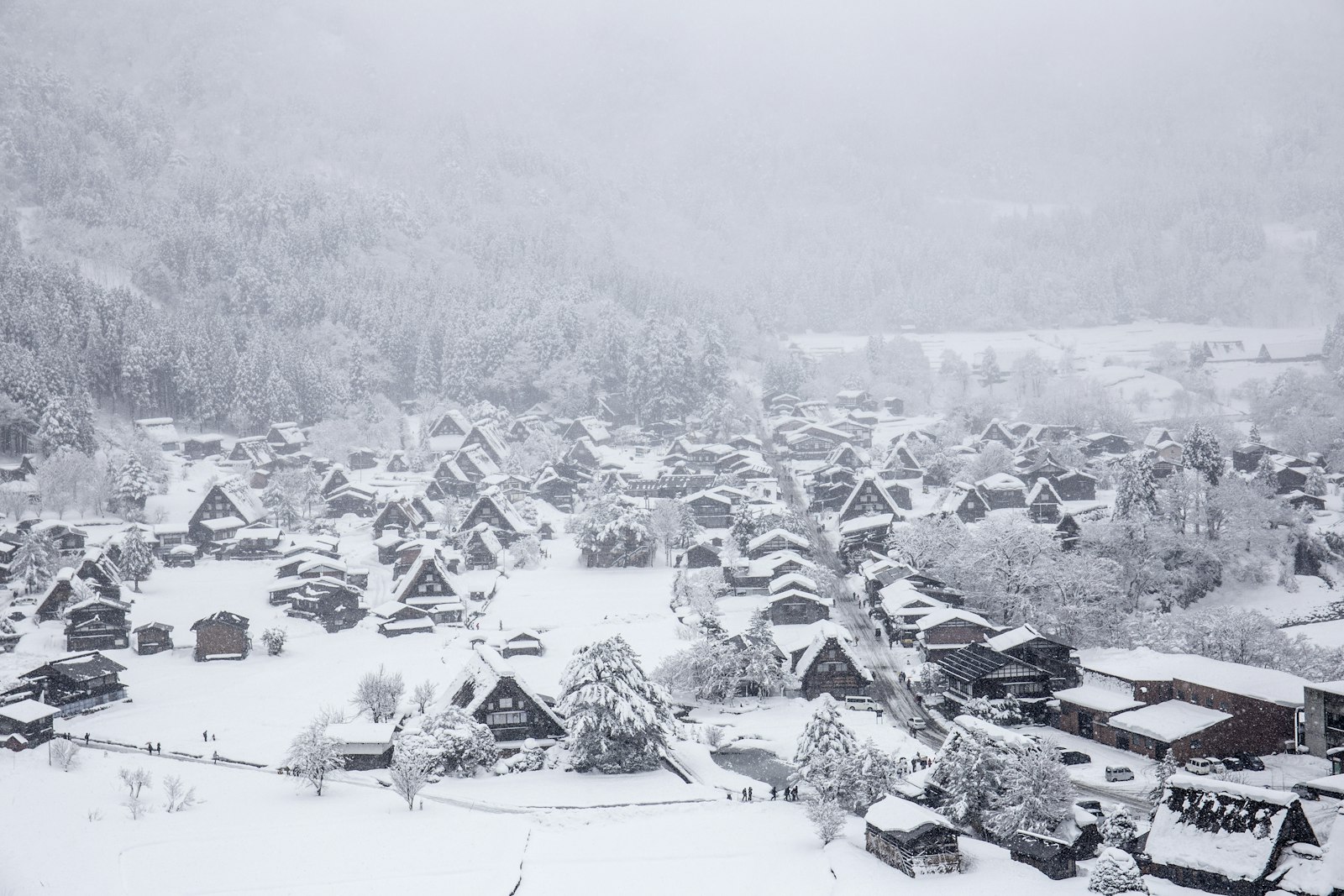
Japan receives more snowfall than almost anywhere on Earth — Hokkaido and the Japan Alps get 10-18 meters of light, dry powder annually. For beginners, this means soft falls on forgiving snow rather than hard icy surfaces. Japanese resorts are also impeccably maintained: groomed runs are smooth, facilities are modern, and onsen (hot springs) soothe tired muscles after lessons. Prices are significantly lower than European/North American resorts — full-day lift passes run ¥4,000-6,000, and equipment rental is ¥4,000-6,000. The season runs December to April (May in Hokkaido).

Tip: Japan's powder snow is lighter than elsewhere — if you fall, you sink into soft snow rather than hitting hard pack, making it the ideal learning environment.

Best Beginner Resorts

Tomamu (Hokkaido) — Hoshino Resort's flagship has a dedicated beginner area, English ski school (¥6,000/2hr group), and the stunning ice village. Madarao Kogen (Nagano) — uncrowded, 30% beginner terrain, excellent English school. Hakuba Goryu (Nagano) — wide gentle runs at the base, views of the Northern Alps, English lessons available (¥8,000/2hr private). Tazawako (Akita) — quiet, affordable (lift ¥3,800/day), with lake views. Nozawa Onsen — charming village atmosphere with beginner areas and 13 free public onsen for after-ski soaking.

Tip: Madarao is the insider's choice for beginners — it's uncrowded (unlike Niseko), affordable, and the snow quality rivals anywhere in Japan.

English Ski Lessons

Major resorts offer English-language instruction. Niseko has the most English options (NISS, GoSnow, Niseko Base Snowsports) with group lessons from ¥7,000/half-day. Hakuba (Evergreen International Ski School) runs beginner packages. Rusutsu has a dedicated English ski school. Private lessons (¥20,000-40,000/half-day) guarantee personalized attention and faster progression. Group lessons typically run 4-6 students. Most schools provide equipment as part of the lesson package. Children's programs (ages 4+) are available at Niseko, Tomamu, and Hakuba with English-speaking instructors.

Tip: Book private lessons for the first day, then switch to group lessons — the initial private session gets basics right without holding up other students.

Equipment & What to Bring

Full rental sets (skis, boots, poles, helmet) cost ¥4,000-6,000/day at resort shops or ¥3,000-4,500 from town-based shops (slightly cheaper). Snowboard sets are similar pricing. What to bring from home: ski socks, base layers, sunscreen, goggles (rental goggles are often scratched). What to rent locally: outerwear can be rented (¥3,000-4,000/day) if you don't want to pack bulky jackets. Uniqlo HeatTech base layers (¥1,500-2,500) from any Japanese Uniqlo make excellent affordable thermal underwear. Boot fit is crucial — spend 10 minutes ensuring proper sizing at rental.

Tip: Buy Uniqlo HeatTech Extra Warm tops and tights in Tokyo before heading to the resort — they're thinner, warmer, and cheaper than specialty ski base layers.

After-Ski & Resort Life

Japanese ski resorts excel at apres-ski differently — instead of noisy bars, the tradition is onsen (hot spring soaking). Most resorts have onsen facilities (¥500-1,000) or are near onsen villages. Nozawa Onsen has 13 free public baths throughout the village. Resort dining is excellent and affordable: ramen (¥900), curry rice (¥800), and katsu sets (¥1,200) fuel the day. Evening entertainment leans toward cozy izakaya rather than nightclubs. Many resorts offer non-ski activities: snowshoeing, snow tubing, and winter fireworks displays.

Tip: Soak in an outdoor onsen (rotenburo) while snow falls around you after a day of skiing — this is the quintessential Japanese winter experience and worth the trip alone.