Mt Fuji: Japan's Iconic Summit
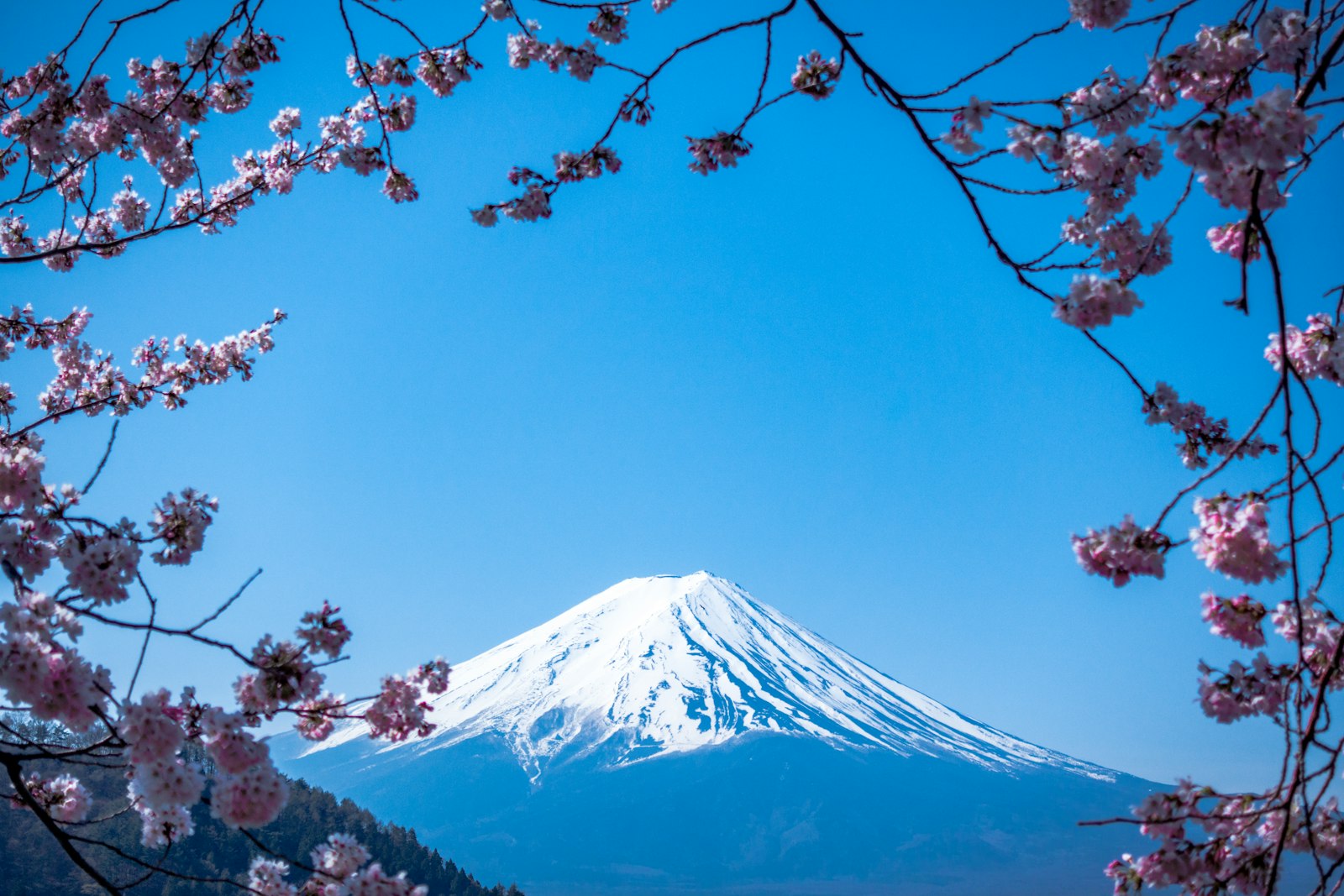
Climbing Japan's highest peak (3,776m) is a bucket-list experience. The official season runs July 1-September 10. Most climbers start at 5th Station (~2,300m), hike 5-7 hours to a mountain hut, sleep a few hours, then summit for sunrise. Four trails exist: Yoshida Trail (most popular, best facilities), Subashiri (quieter, forested start), Gotemba (longest, least crowded), and Fujinomiya (shortest, steepest). Since 2024, climber limits apply — advance registration and ¥2,000 fee required on Yoshida route. Altitude sickness affects many above 3,000m — ascend slowly.
Tip: Book mountain huts 2-3 months ahead (¥8,000-12,000 with dinner/breakfast). Weekday climbs have 1/3 the crowds of weekends.
Kumano Kodo: Ancient Pilgrimage Trails
The Kumano Kodo in Wakayama Prefecture is one of only two UNESCO-listed pilgrimage routes (alongside Spain's Camino de Santiago). Stone-paved paths wind through ancient cedar forests connecting three grand shrines. The Nakahechi route is most accessible for tourists — 3-5 days covering 40km through mountain villages. Luggage forwarding between accommodation operates daily. Takijiri to Hongu (2-3 days) is the classic section. Trail difficulty is moderate with some steep climbs. Best seasons: March-May and October-November. Avoid summer (heat, leeches) and winter (closures).
Japan Alps: World-Class Mountain Trekking
The Northern Japan Alps (Kita Alps) in Nagano/Toyama offer Himalayan-grade scenery: knife-edge ridges, alpine meadows, and 3,000m peaks. Kamikochi (1,500m): Stunning valley with flat riverside walks and serious peak access. Tateyama-Kurobe Alpine Route: Dramatic mountain crossing via cable cars, tunnels, and ropeways. Yarigatake (3,180m): 'Japan's Matterhorn,' 2-day climb from Kamikochi. Tsurugi-dake: Technical peak requiring chains and ladders. Mountain huts (¥10,000-13,000 with meals) space routes into manageable days. Season: July-October only; snow closes most routes otherwise.
Day Hikes Near Tokyo and Kyoto
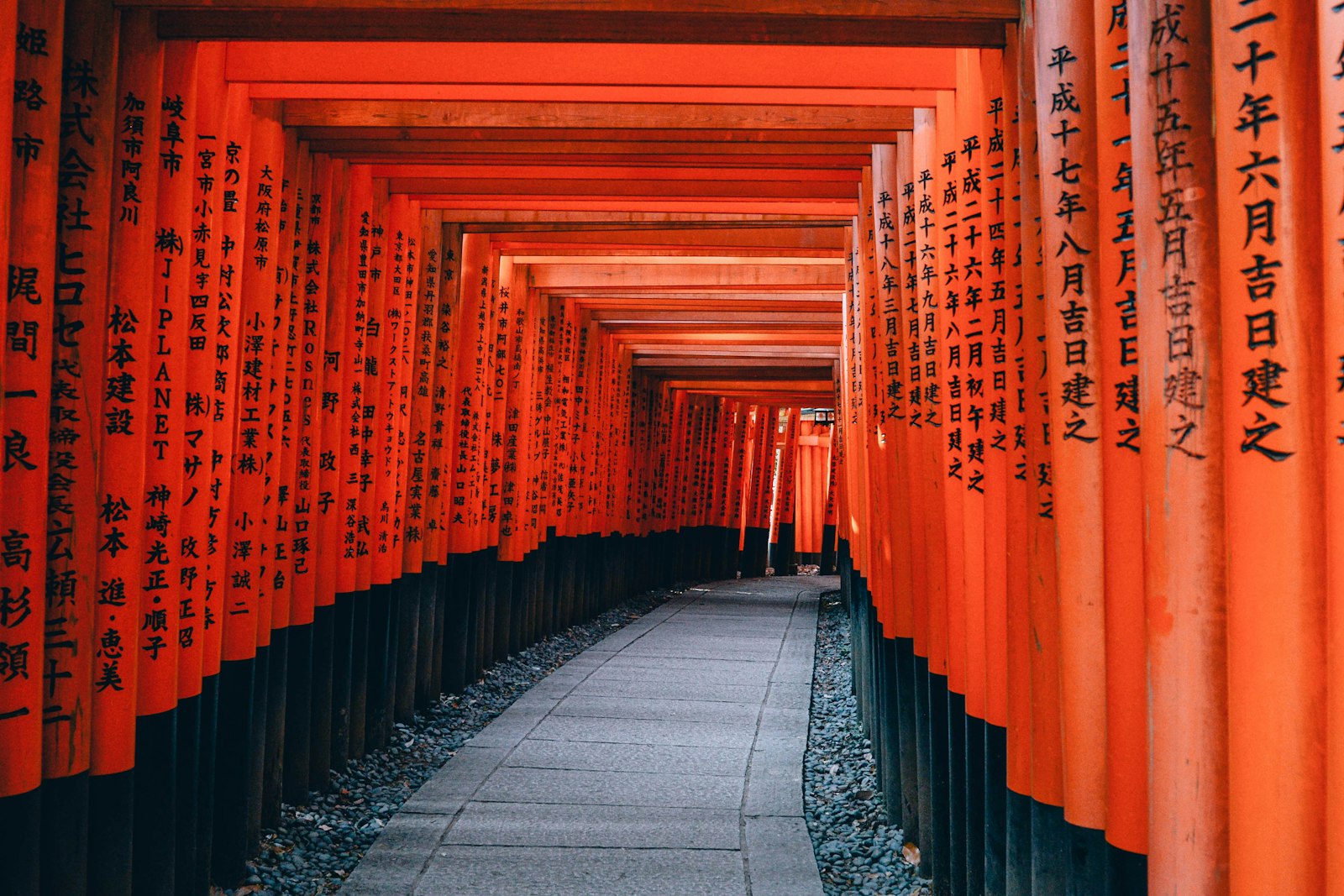
Mt Takao (599m, 1 hour from Shinjuku): Japan's most-climbed mountain. Multiple trails from beginner to moderate, cable car option, temple at summit, beer garden in summer. Nikko area: Senjogahara marshland walk (2 hours, flat, stunning autumn colors). Kamakura Alps: Ridge walk connecting temples (3 hours, moderate). Mt Oyama (1,252m, Kanagawa): Shrine, tofu restaurants, Minano cable car. Near Kyoto: Fushimi Inari mountain trail (2 hours behind the shrine gates), Mt Daimonji (1 hour, city panorama), Kurama to Kibune (1.5 hours, temples and onsen at finish).
Nakasendo Trail: Edo-Period Highway
The Nakasendo was one of five highways connecting Edo (Tokyo) to Kyoto during the shogunate era. Today, the section between Magome and Tsumago (8km, 2-3 hours) in the Kiso Valley is perfectly preserved — cobblestone paths through cedar forests connecting two immaculate post towns with traditional wooden buildings, no power lines, and ryokan inns. The gentle walk is suitable for all fitness levels and offers a glimpse of 17th-century Japan. Access: JR Chuo Line to Nakatsugawa (Magome) or Nagiso (Tsumago). Luggage forwarding between the towns costs ¥500.
Essential Hiking Tips for Japan
Japanese mountains are steeper and more technical than their modest heights suggest — trail surfaces include roots, rocks, chains, and ladders. Weather changes rapidly above 2,000m — bring rain gear regardless of forecast. Bears: Present in most mountain areas outside Shikoku — carry a bell (sold at trailheads, ¥500). Trail registration: Submit a tozan todoke (climbing notification) at trailhead boxes for safety. Mountain huts: Book ahead and bring your own towel, headlamp, earplugs, and a liner sheet. Gear shops: Mont-bell and Korakuen stores in every major city sell quality gear if you need supplies.