Gion Matsuri: 1,150 Years of Tradition
The key dates are the Yamaboko Junko (float processions) on July 17 (Saki Matsuri) and July 24 (Ato Matsuri), and the Yoiyama evening festivals on the three nights preceding each procession. While the full month includes rituals, purification ceremonies, and neighborhood events, most visitors focus on the Yoiyama evenings and the July 17 procession — the larger and more spectacular of the two.
Tip: The July 24 Ato Matsuri procession is significantly less crowded than July 17 and includes the magnificent Ofune Boko (ship float). Consider attending both if your schedule allows.
Yamaboko Junko: The Grand Processions
The procession starts at 9 AM from Shijo-Karasuma and takes about 3 hours. Best viewing spots: Shijo-dori (the main route) and the corner of Shijo and Kawaramachi where floats make their dramatic turns. Paid seating (¥4,100, sold from June via Lawson/7-Eleven) guarantees a front-row view on Oike-dori. Standing spots along the route are free but arrive by 7:30 AM for good positions.
Tip: Position yourself at the Shijo-Kawaramachi intersection for the tsujimawashi (corner-turning) — watching a 12-ton float slide around a 90-degree turn on wet bamboo is the festival's most dramatic moment.
Yoiyama: The Evening Celebrations
During Yoiyama, some floats offer access to climb aboard (¥500-1,000, purchase a chimaki — sacred straw talisman — to gain entry). The Naginata Boko and Tsuki Boko are particularly popular for boarding. Neighborhood merchant houses open their front rooms to display family heirloom screens and art — the Byobu Matsuri (screen festival) is a rare chance to see private art collections. Food stalls concentrate on Shijo-dori and surrounding streets — expect yakitori, kakigori, dango, and Kyoto specialties.
Tip: Buy a chimaki (sacred rope talisman, ¥1,000-1,500) from each float you visit — they're hung above doorways for a year of protection. Each float's chimaki design is unique and collectible.
Understanding the Floats
Notable floats: Naginata Boko always leads the July 17 procession and carries a living chigo (divine child) — a boy chosen for the honor who rides the float and cuts the sacred rope to start the procession. Fune Boko (ship float) commemorates a voyage to China. Kikusui Boko has spectacular gold-embroidered textiles. Kuronushi Yama features artificial cherry blossoms that devotees believe grant wishes. Each float's textile collection alone is worth millions — some include Persian and Indian fabrics acquired centuries ago through trade.
Tip: During Yoiyama, visit the float neighborhoods' display rooms (machiya) to see the textiles and artifacts up close. Most floats have dedicated exhibition rooms open July 13-16.
Practical Tips for Attending
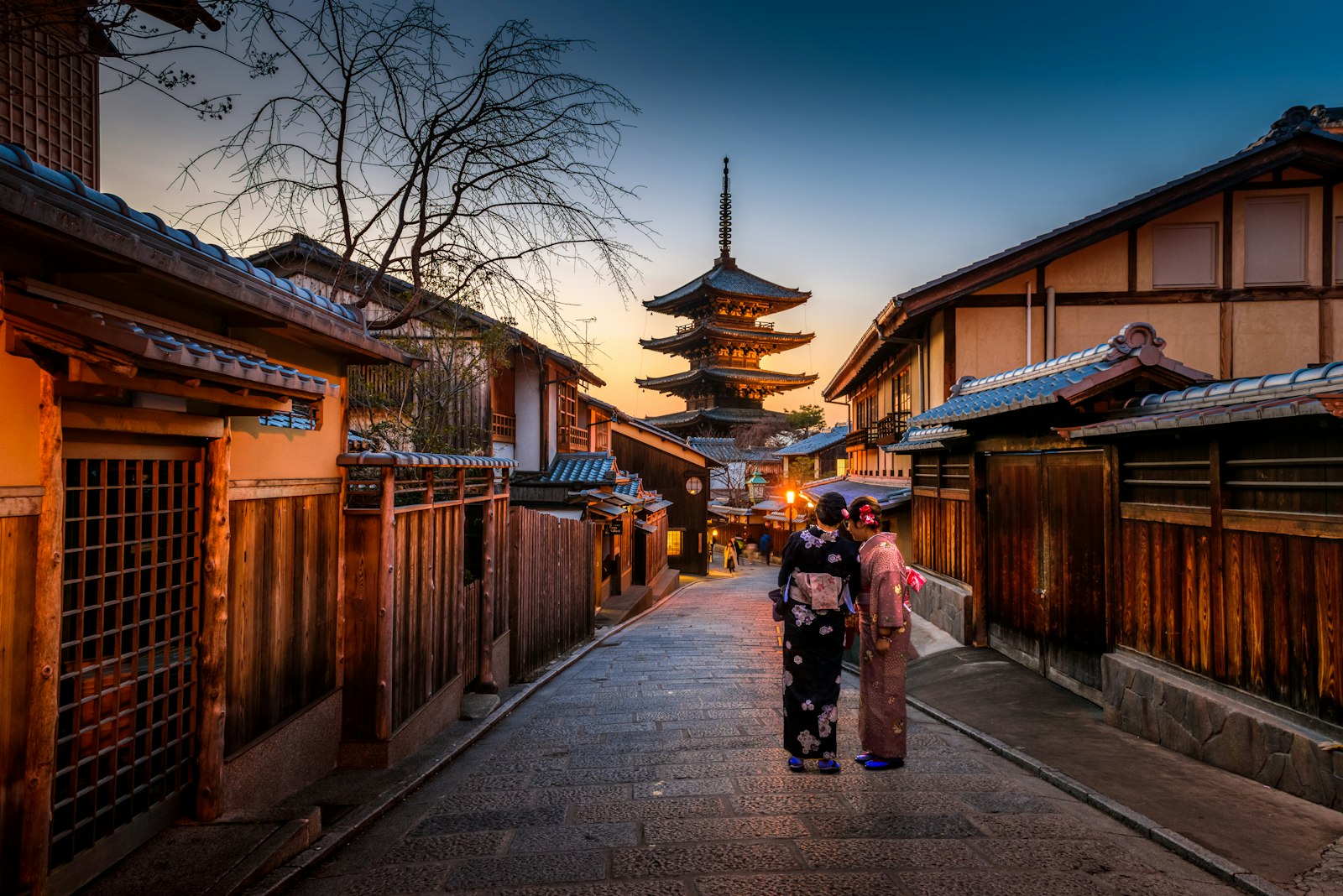
Accommodation in Kyoto during Gion Matsuri is expensive and books early — consider staying in Osaka (15 min by Shinkansen) and taking the last train back. The July 17 procession route runs along Shijo-dori (east-west) then Kawaramachi-dori (north) then Oike-dori (west). Subway stations along the route (Shijo, Karasuma-Oike, Kawaramachi) are the most convenient access points but extremely crowded. The evening Yoiyama events (July 14-16) are free and open to all — arrive by 5 PM for the best atmosphere as lanterns light up at dusk.
Tip: The subway is faster than buses during Gion Matsuri. Karasuma Line stops at Shijo (float display area) and Karasuma-Oike (procession viewing on Oike-dori). Avoid buses entirely on festival days.