Why Fukuoka Should Be on Your Itinerary
Fukuoka punches far above its weight in food, nightlife, and culture. It's the birthplace of tonkotsu ramen, home to Japan's best outdoor food stalls (yatai), and offers easy access to hot springs, islands, and historic towns throughout Kyushu. With one of Japan's most convenient airports (just 5 minutes by subway from the city center), Fukuoka makes an excellent start or end point for any Japan trip.
Tip: Fukuoka Airport is absurdly close to the city — just two subway stops from Hakata Station. You can be eating ramen 20 minutes after landing.
Yatai: Fukuoka's Iconic Food Stalls
The best yatai clusters are along the Nakasu River (Nakasu-Kawabata area), on Watanabe-dori in Tenjin, and around Nagahama near the fish market. Expect to spend ¥1,500-3,000 per person. They open around 6 PM and close at 2 AM (later on weekends). No reservations — just find an empty seat. Popular stalls have short queues but turnover is fast.
Tip: Yatai operate rain or shine, but go on a clear evening for the best experience. Arrive before 8 PM to avoid queues at popular stalls.
Hakata Ramen: The Original Tonkotsu
Essential ramen shops: Ichiran (¥980, individual booths for focused eating), Ippudo (founded here in 1985, ¥850), Shin Shin near Tenjin (lighter broth, ¥700), and Nagahama Number One (the fisherman's classic near the port, ¥600). At any shop, specify your noodle firmness — kata (firm) is the local preference, bari-kata (extra firm) for purists.
Tip: At Ichiran and most Fukuoka ramen shops, you choose noodle firmness, broth richness, and garlic level on an order sheet. Start with kata (firm) noodles for the authentic local style.
Temples, Shrines & Parks
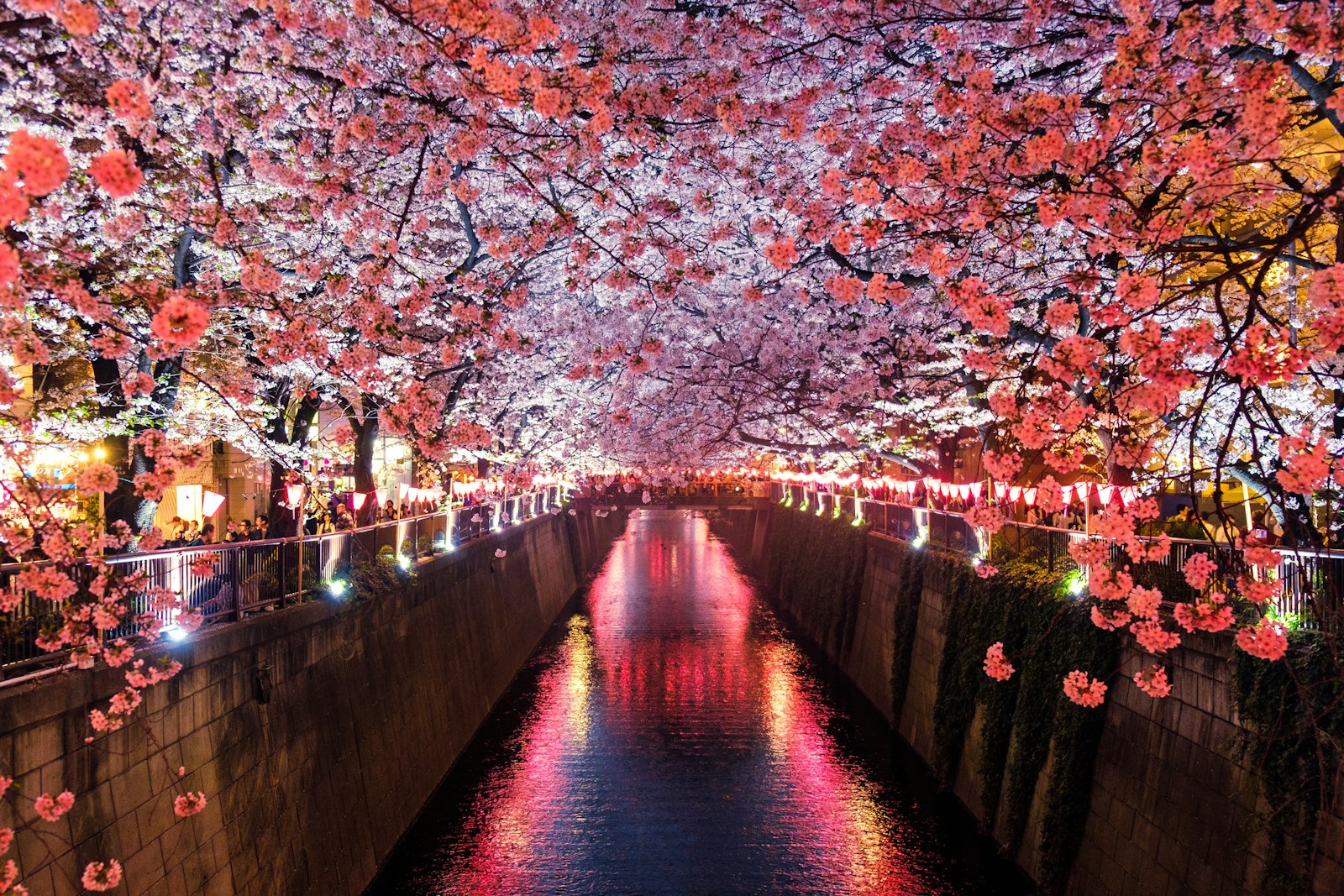
Ohori Park is a beautiful lakeside park modeled on West Lake in Hangzhou, with a Japanese garden (¥250) and the Fukuoka Art Museum (¥200) on its shores. Fukuoka Castle ruins (Maizuru Park) offer cherry blossom-covered stone walls in spring and city views year-round. The seaside Momochi area has Fukuoka Tower (¥800, 234m observation deck) and a pleasant beach promenade.
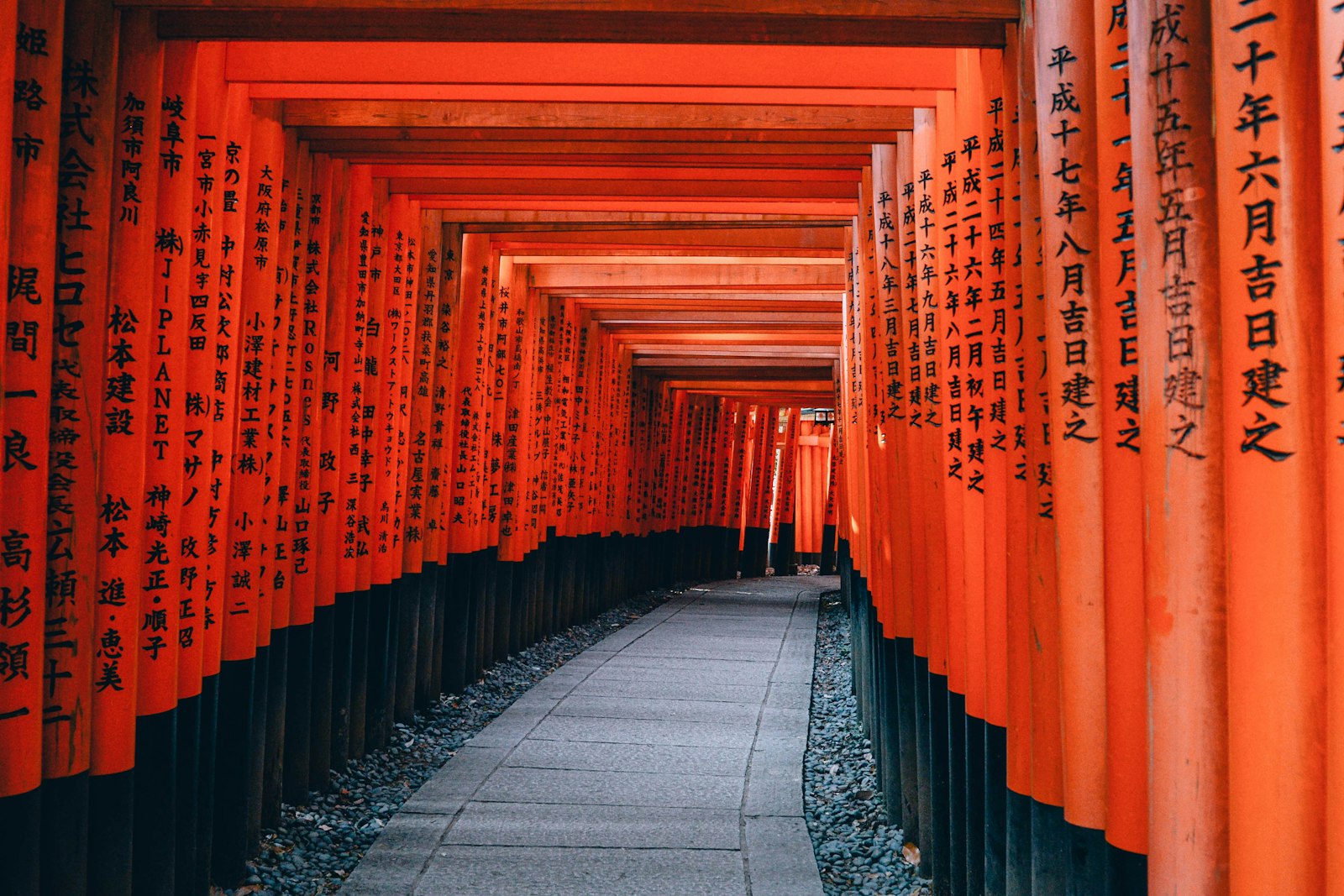
Tip: Visit Dazaifu in February or March when 6,000 plum trees bloom across the shrine grounds — it's stunning and less crowded than cherry blossom season.
Shopping & Nightlife
Nightlife centers on Nakasu (one of Japan's largest entertainment districts) and the Oyafuko-dori area in Tenjin with its concentration of bars, clubs, and late-night restaurants. The city's craft beer scene is growing — try Fukuoka Craft for local brews. For a quieter evening, walk along the Naka River where yatai glow orange against the water and the Nakasu neon reflects on the surface.
Tip: Tenjin Underground City connects directly to Tenjin subway station — perfect for rainy-day shopping without going outside.