Understanding the Cherry Blossom Season
Multiple agencies issue forecasts starting in January, updated weekly as the season approaches. The most reliable are the Japan Meteorological Corporation, Weathernews, and Tenki.jp. Forecasts improve as winter temperatures stabilize — cold winters delay blooming, warm winters accelerate it. Planning flexibility of 3-5 days around predicted peak dates significantly improves your chances of seeing full bloom.
Tip: Full bloom (mankai) typically occurs 5-7 days after first bloom (kaika). The best viewing window is from mankai through the next 3-4 days before heavy petal fall begins.
2027 Predicted Bloom Dates
Fukuoka: March 19-23 (full bloom March 26-30)
Osaka/Kyoto: March 24-28 (full bloom March 31-April 4)
Tokyo: March 20-24 (full bloom March 27-31)
Nagoya: March 22-26 (full bloom March 29-April 2)
Kanazawa: April 1-5 (full bloom April 7-11)
Sendai: April 7-11 (full bloom April 12-16)
Sapporo: April 28-May 3 (full bloom May 2-6)
Note that Tokyo often blooms before Osaka/Kyoto despite being further north — urban heat island effects accelerate Tokyo's timing. Recent years have trended 5-10 days earlier than 20-year averages due to warming winters.
Tip: Tokyo's early bloom often overlaps with Kyoto's — planning a Tokyo-to-Kyoto trip in late March gives you the best chance of catching blossoms in both cities.
Best Viewing Strategy
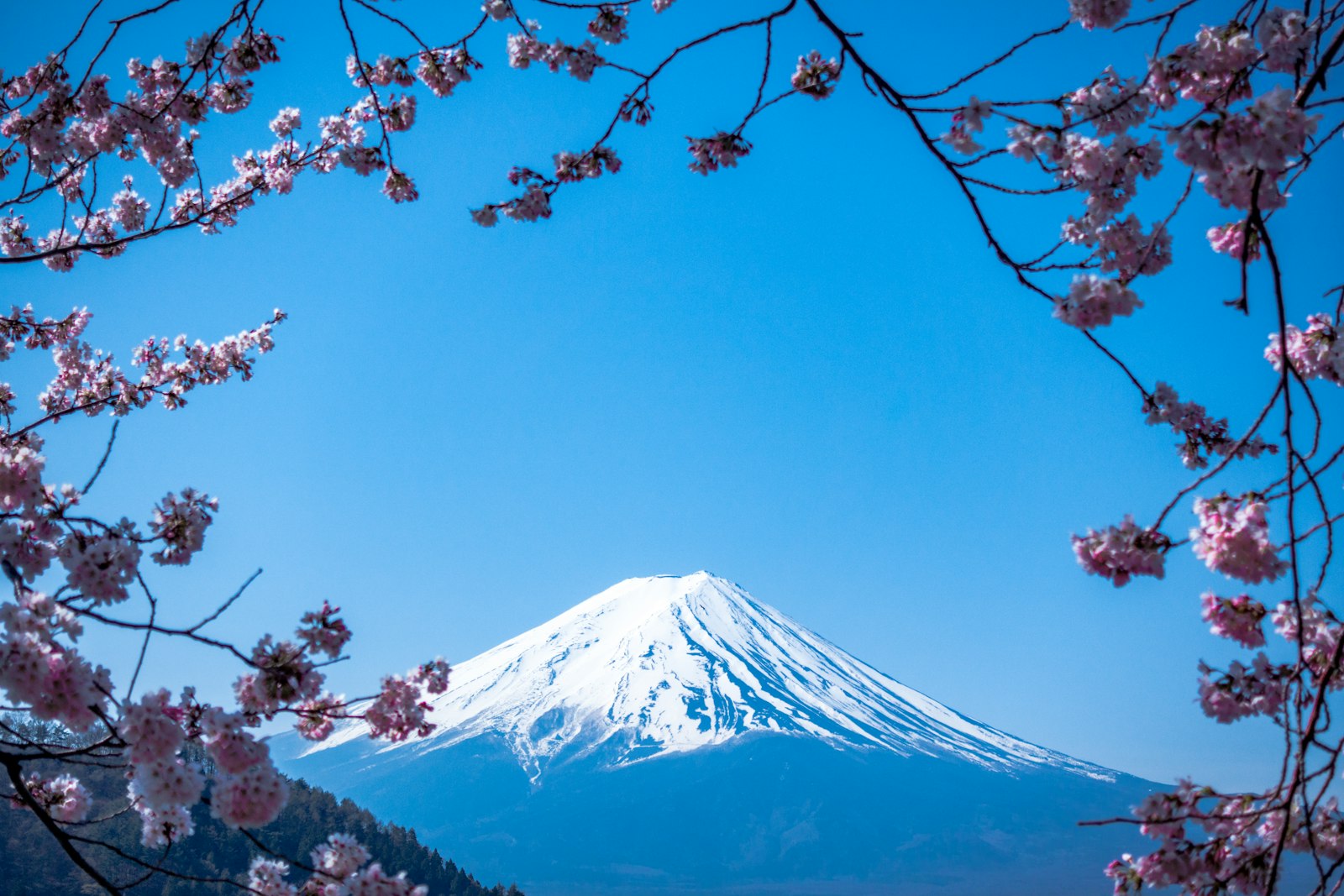
If arriving before peak: head south to Kyushu (blooms earlier) or visit early-blooming varieties like kawazu-zakura in Izu Peninsula (February). If arriving after peak: head north to Tohoku (1-2 weeks after Tokyo) or higher elevations like Mount Yoshino, Lake Kawaguchi, or Nikko's highlands. Cherry blossoms at altitude bloom 1-2 weeks later than lowland areas in the same latitude.
Tip: Even if you miss peak bloom, the petal-scattering phase (hanafubuki) is equally magical — petals floating on water and carpeting the ground create stunning scenes.
Top Sakura Spots Across Japan
Hirosaki Castle (Aomori, late April) has 2,600 trees and a moat filled with floating petals — many consider it Japan's ultimate sakura experience. Chidorigafuchi moat (Tokyo) offers rowboat rentals under cherry canopies. Yoshino River banks in Tokushima have 500 trees reflected in the water. Takato Castle Park (Nagano) features 1,500 trees of a unique pink variety found nowhere else.
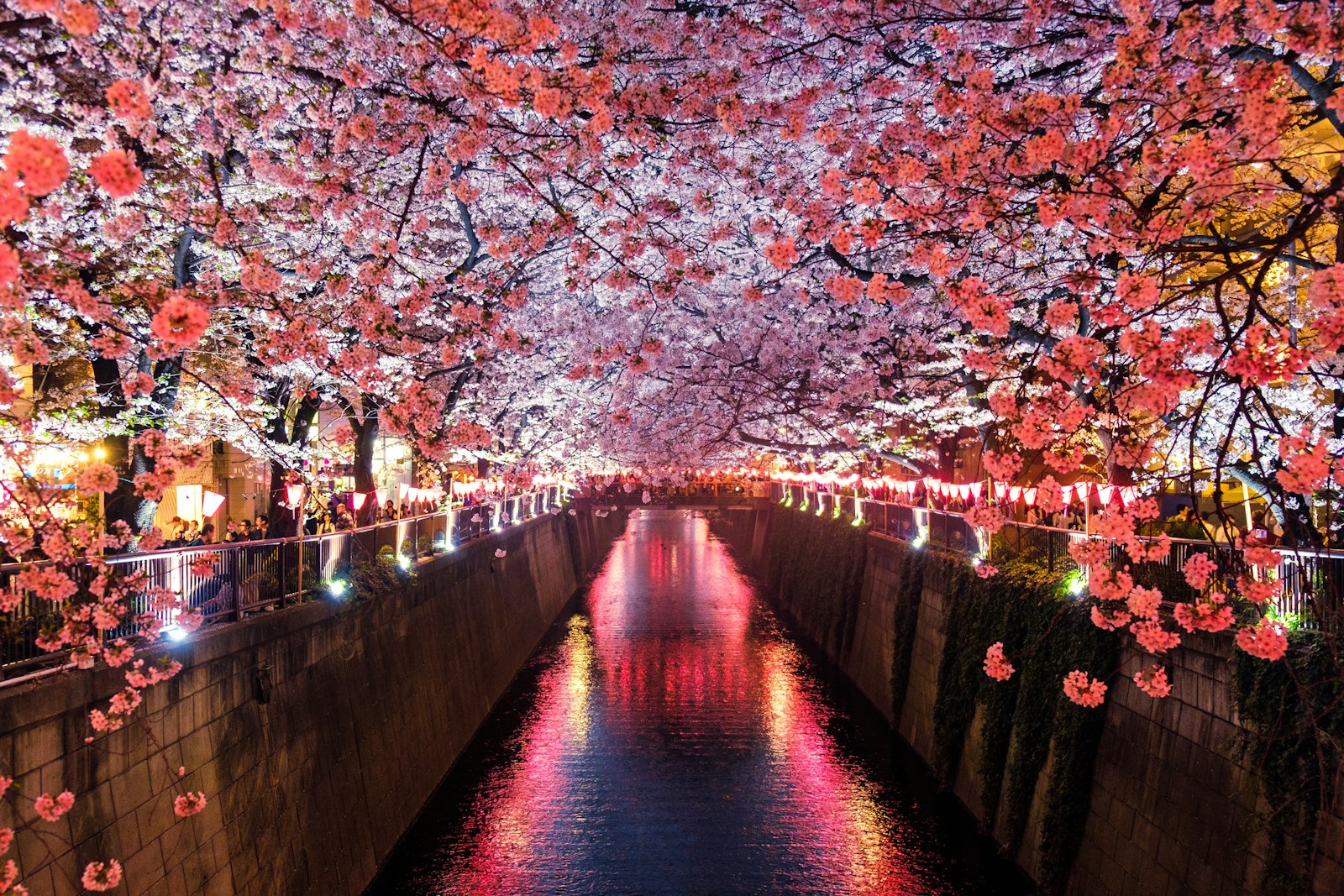
Tip: For nighttime cherry blossoms (yozakura), look for illuminated spots — most major sites offer lighting from 6 PM to 9 PM during bloom. Pink flowers against dark skies are unforgettable.
Planning Tips & What to Bring
Pack layers (temperatures drop quickly after sunset for yozakura viewing), a light waterproof jacket, and a compact picnic blanket if you plan to do hanami (flower-viewing picnics). Convenience stores sell bento, beer, and disposable grills for spontaneous picnics. Popular spots like Yoyogi Park and Maruyama Park in Kyoto get extremely crowded on weekends — secure your spot by mid-morning. Department stores sell beautiful seasonal sakura-themed sweets, perfect as edible souvenirs.
Tip: Popular hanami spots like Yoyogi Park and Ueno Park fill up fast on weekends. Send one person early (by 9 AM) to claim a spot with a blue tarp while others buy food and drinks.