Meguro River: Tokyo's Most Instagram-Famous Spot
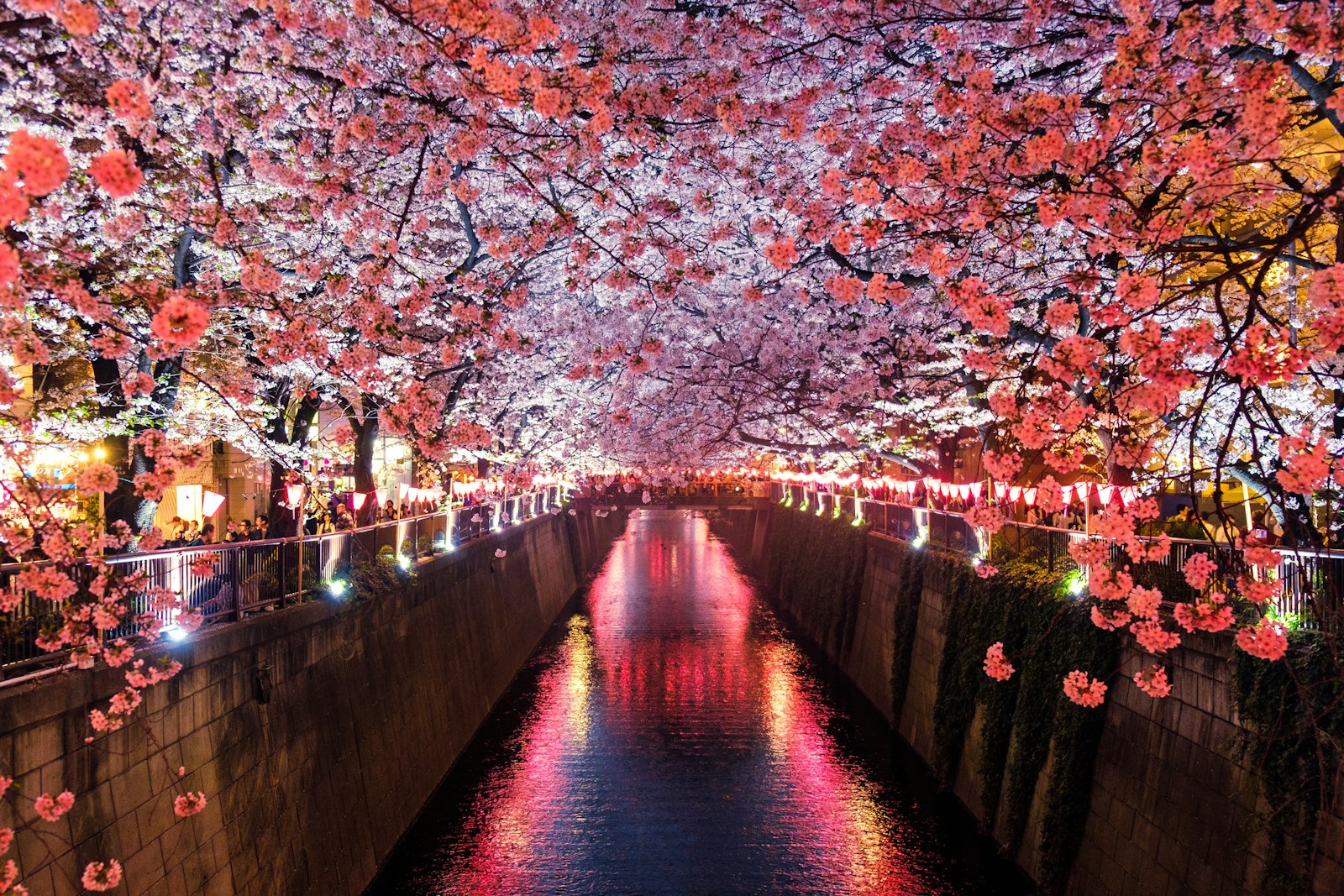
The most popular stretch runs from Nakameguro Station south toward Meguro Station. The area around Nakameguro is packed with trendy cafes and restaurants perfect for post-hanami dining. Visit on weekday mornings for peaceful enjoyment — weekends see enormous crowds, especially the southern bank path. Access: Nakameguro Station (Tokyu Toyoko/Hibiya Line). Best viewing: late March to early April.
Tip: Walk the quieter northern stretch from Ikejiri-Ohashi toward Nakameguro for fewer crowds. The trees are equally beautiful but foot traffic drops by 70%.
Shinjuku Gyoen: Perfect for Photography
Key trees: Somei Yoshino (late March-early April) along the central lawn, weeping cherries (shidarezakura, slightly earlier) near the Japanese garden, and late-blooming Ichiyo and Kanzan varieties (mid-April) extending the season. The greenhouse (included) has tropical plants. Access: Shinjuku-gyoenmae Station (Marunouchi Line). Hours: 9 AM-5:30 PM (6 PM during sakura season). Closed Mondays.
Tip: Shinjuku Gyoen bans alcohol, making it much more relaxed than public parks. Visit on a weekday with a bento box from the nearby depachika for a peaceful hanami lunch.
Ueno Park: Classic Hanami Atmosphere
The atmosphere is festive and communal — office workers, students, and families all claim territory early in the morning (some send a sacrificial member at dawn). Street food stalls line the main path selling yakitori, takoyaki, beer, and warm sake. Beyond the main strip, Shinobazu Pond has beautiful cherry reflections on the water. Access: Ueno Station (JR/Metro). The adjacent museums (Tokyo National Museum, Western Art Museum) make excellent pre-hanami morning activities.
Tip: Ueno Park's hanami zone gets wild after dark on weekends — join the party atmosphere or seek the quieter pond-side paths for a more contemplative experience.
Chidorigafuchi: Romance on the Moat
The boat queue can exceed 2 hours on peak weekends — arrive before 10 AM or come on a weekday. Even without boating, the moat path is magical, especially during petal fall when the water surface turns pink. Combine with a walk along the Kitanomaru Park side for different angles. Access: Kudanshita Station (Hanzomon/Tozai/Shinjuku lines). Adjacent: Yasukuni Shrine's approach has 600 additional cherry trees, including the 'standard tree' used to officially declare Tokyo's bloom.
Tip: The rowboat experience is magical but popular — go on a weekday before 11 AM or accept the weekend queue by bringing snacks and enjoying the moat views while waiting.
Yoyogi Park & Other Hidden Gems
Rikugien Garden (¥300, near Komagome Station) has a magnificent weeping cherry (shidarezakura) illuminated at night — it blooms slightly earlier than Somei Yoshino. Sumida River (free, near Asakusa) has 1,000 trees along both banks with Tokyo Skytree as backdrop. Koishikawa Korakuen (¥300) combines weeping cherries with traditional garden scenery. Inokashira Park (free, Kichijoji) offers pedal boat rentals under cherry canopies — a local favorite less visited by tourists.
Tip: For a locals-only experience, try Inokashira Park in Kichijoji. Rent a swan pedal boat (¥700/30 min) and cruise beneath overhanging cherry branches — fewer tourists, more charm.
Timing & Practical Tips
Peak-bloom weekends at popular spots are genuinely overcrowded. Strategies: visit major spots on weekday mornings, save weekend time for lesser-known spots (Koganei Park, Asukayama Park, Nishi Shinjuku's Goryokaku Park). Most illuminated spots turn off lights by 9-10 PM. Convenience stores near major parks stock picnic supplies including blue tarps (¥500-800), disposable cups, and seasonal sakura-flavored snacks and drinks.
Tip: The Japan Meteorological Agency declares official 'kaika' (first bloom) from a single reference tree at Yasukuni Shrine. Full bloom follows 5-7 days later in most of Tokyo.