Philosopher's Path: A Canal of Cherry Blossoms
The path is at its most magical early morning (before 8 AM) when photographers capture reflections in the still canal water. By mid-morning, the narrow path becomes a slow-moving crowd. Small cafes and boutiques along the route offer rest stops. Combine with visits to Honen-in (free, thatched gate with moss art) and Eikan-do (¥600) — both just steps off the path. Bloom timing: late March to early April, usually 3-5 days after Tokyo's peak.
Tip: Walk the Philosopher's Path at 7 AM for empty photos. Start from the Ginkaku-ji (north) end and walk south toward Nanzen-ji, finishing with breakfast in the Okazaki area.
Maruyama Park & Gion District
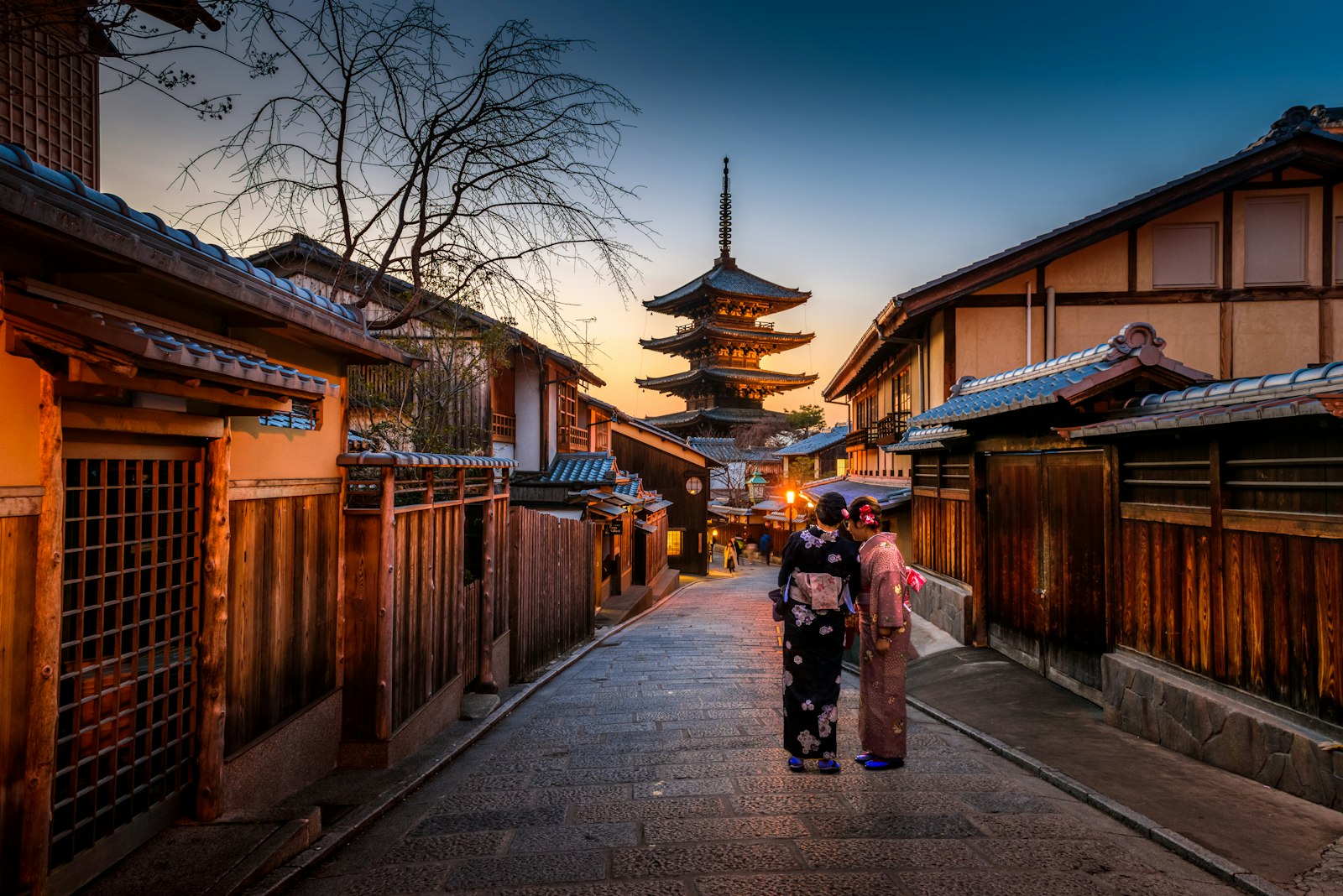
From Maruyama Park, walk through Gion's wooden machiya streets for a unique combination of cherry blossoms and geisha district atmosphere. Shirakawa Canal in Gion has willows and cherry trees illuminated along the waterway — one of Kyoto's most photogenic sakura scenes. The narrow streets of Shinbashi-dori and Ninen-zaka/Sannen-zaka slopes near Kiyomizu-dera frame cherry blossoms against traditional architecture perfectly.
Tip: Maruyama Park's weeping cherry is illuminated until midnight — visit after 10 PM when most visitors have left for a nearly private viewing of this iconic tree.
Daigo-ji: Emperor's Cherry Blossom Viewing
The highlight is the combination of Sanboin Garden (exquisite Momoyama-era design) and the five-story pagoda (Kyoto's oldest structure, 951 AD) surrounded by weeping cherries. The approach road lined with cherry trees creates a spectacular entrance. Located in southeast Kyoto (Daigo Station, Tozai Line), it's less crowded than central Kyoto spots on weekdays but packed on weekends. The temple's multiple cherry varieties mean something is always in bloom throughout the season.
Tip: Visit Daigo-ji on a weekday morning for the best experience. It's the one Kyoto sakura spot that rewards the journey to its slightly remote location with significantly fewer crowds.
Arashiyama & Western Kyoto
Tenryu-ji (¥500 garden entry) has weeping cherries framing its borrowed-scenery garden with Arashiyama mountains behind. The Keifuku Railway (Randen) line between Narutaki and Omuro-Ninnaji stations passes through a 200m 'cherry blossom tunnel' — ride it for a magical 30-second experience. Ninna-ji Temple (¥800) has famous late-blooming 'Omuro cherries' — dwarf trees that bloom at eye level in mid-April, extending the season by two weeks after most trees have finished.
Tip: Ninna-ji's Omuro cherries bloom 1-2 weeks later than standard varieties (mid-April) — perfect if you've missed peak bloom elsewhere in Kyoto.
Temple Blossoms: Kiyomizu-dera & Beyond
Heian Shrine's garden (¥600) has magnificent weeping cherries (shidarezakura) reflected in the garden pond — Kyoto's premier weeping cherry location, blooming slightly earlier than Somei Yoshino. Toji Temple (free grounds, ¥500 during illumination) frames its five-story pagoda (Japan's tallest) with a famous weeping cherry illuminated at night. Nijo Castle (¥1,030) offers 400 cherry trees within its moated walls and holds evening illumination events.
Tip: Kiyomizu-dera's night illumination during sakura requires a separate evening ticket (¥400, 6-9 PM) — the daytime ticket doesn't cover it. Lines form by 5:30 PM.