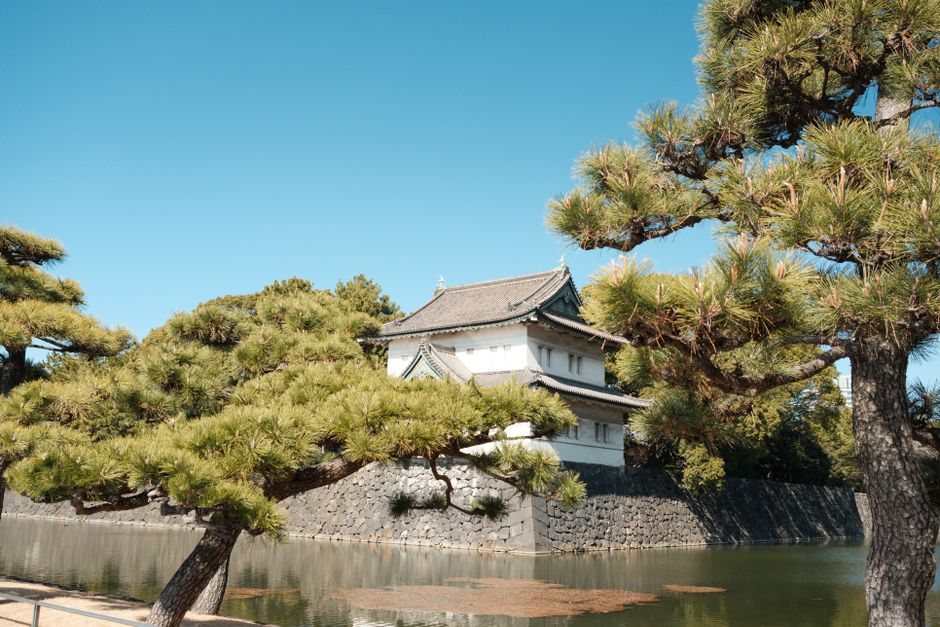
Nijō-jō, a UNESCO World Heritage Site completed in 1626, served as the Kyoto residence of the Tokugawa shoguns and is a masterpiece of Edo-period palatial architecture. The Ninomaru Palace's famous 'nightingale floors' (uguisubari) were engineered to squeak musically with every footstep, alerting guards to intruders or assassins. The interior features over 3,000 stunning Kanō school paintings on gilded sliding doors, while the surrounding 275,000-square-metre garden changes dramatically across the seasons. It was here in 1867 that the last Tokugawa shogun formally returned power to the Emperor, ending 265 years of samurai rule.
- Type
- Venue
- Category
- Culture
- Season
- Year-round
- Month
- Year-round
- Region
- Kansai
- Prefecture
- Kyoto
- City
- Kyoto
Highlights
- ◆Famous 'nightingale floors' that squeak as an alarm system
- ◆Ninomaru Palace with 3,000+ Kanō school gilded paintings
- ◆UNESCO World Heritage Site in central Kyoto
- ◆Site of the 1867 restoration of Imperial rule
- ◆Seasonal garden with cherry blossoms and autumn colour