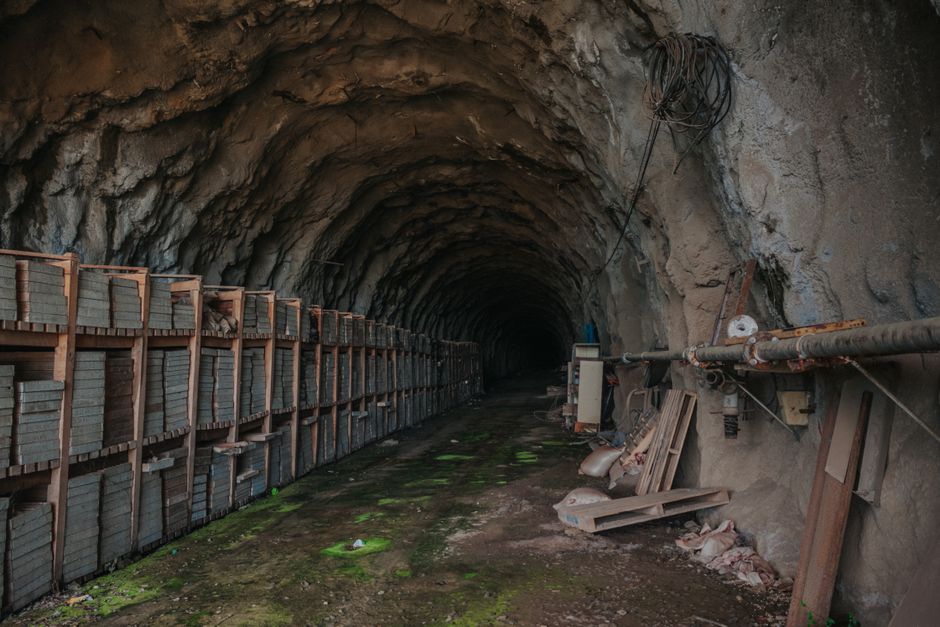
Inscribed as a UNESCO World Heritage Site in 2007, Iwami Ginzan was the largest silver mine in Asia during the 16th and 17th centuries, producing silver that flowed along trade routes to China and Europe and shaped global commerce. Visitors walk forest trails to explore the Ryūgenji Mabu tunnel — a hand-hewn shaft open to the public — alongside samurai residences, merchant townhouses, and Buddhist temples in the preserved hamlet of Omori. The scale of the cultural landscape, stretching from mine shafts to port towns, and its relatively low tourist footfall make it one of Japan's most rewarding and undervisited World Heritage sites.
- Type
- Venue
- Category
- Culture
- Season
- Spring
- Month
- March–November (best April–May)
- Region
- Chugoku
- Prefecture
- Shimane
- City
- Ōda
Highlights
- ◆UNESCO World Heritage Site — once produced 1/3 of global silver
- ◆Walk inside the Ryūgenji Mabu mining tunnel
- ◆Preserved Edo-era merchant town of Omori
- ◆Forest trails connecting mine shafts, shrines, and samurai homes
- ◆Exceptionally uncrowded — a genuine off-the-beaten-path gem