Best Wedding Venues in Japan for Foreign Couples
Weddings 9 min read

Best Wedding Venues in Japan for Foreign Couples

Why Japan Is a Dream Wedding Destination for Foreign Couples

Japan has quietly become one of Asia's most sought-after wedding destinations for international couples, and for good reason. The country offers an extraordinary range of settings — Shinto shrines draped in cedar forest, contemporary waterfront chapels, restored Meiji-era Western halls, and ryokan gardens where maple leaves turn crimson in autumn. The visual drama is unmatched, and the Japanese commitment to meticulous hospitality (omotenashi) means vendors, planners, and venue coordinators treat every detail as sacred. Foreign couples do not need to be legally married in Japan for a ceremony here — most international couples choose to register their marriage in their home country and hold a symbolic ceremony in Japan. This actually simplifies logistics enormously, removing the need to navigate Japanese family registry (koseki) paperwork. A symbolic ceremony is fully recognised by wedding vendors and can be every bit as elaborate and meaningful as a legal one. Budgets vary widely. A simple elopement-style ceremony with a photographer and officiant can cost from around ¥150,000–¥300,000, while a full chapel ceremony with reception, styling, florals, and a banquet for 20–30 guests typically ranges from ¥1,500,000 to ¥4,000,000 or more depending on venue tier and season. Understanding what is included in Japanese wedding packages — which often bundle costume rental, hair and makeup, ceremony fee, and a small reception — is key to accurate budgeting.

Tip: Ask venues explicitly whether their packages are available to 'foreign nationals without koseki' — most modern venues say yes, but confirming upfront saves time.

Shinto Shrine Weddings: Timeless and Deeply Japanese

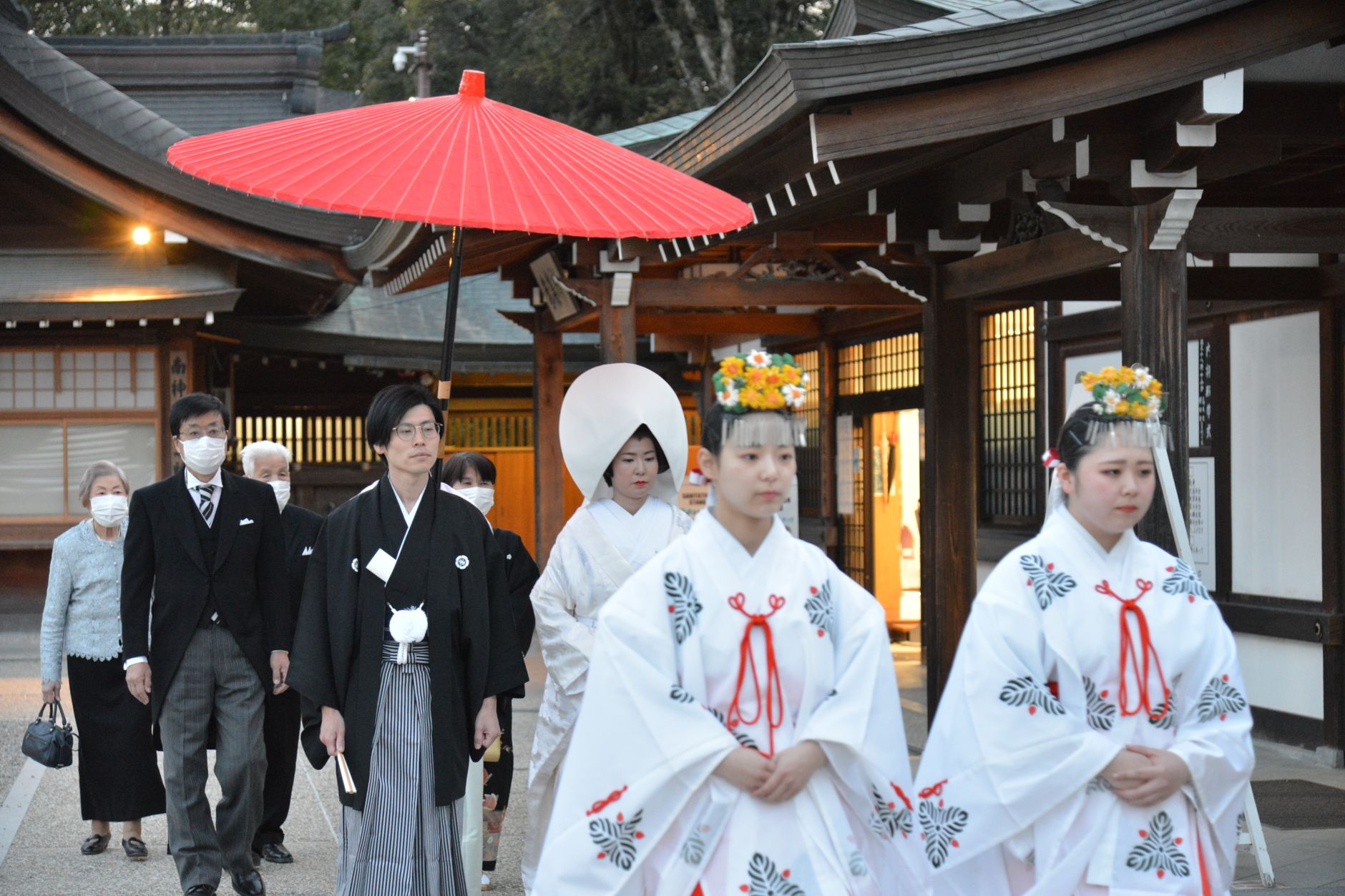
A Shinto shrine wedding (shinzen shiki) is among the most iconic ceremonies available in Japan. The ritual follows a structured order: the couple is purified, sacred sake (san-san-kudo) is shared in three sips from three cups, and formal vows are made before the kami (deity) of the shrine. A Shinto priest presides, and a miko (shrine maiden) assists. Traditional costumes — the shiromuku (pure white kimono) for the bride and montsuki haori hakama for the groom — are typically rented as part of venue packages. Meiji Jingu Shrine in Tokyo is one of the most prestigious options, set in 70 hectares of forested park in the heart of Harajuku. Ceremony fees start at around ¥100,000–¥150,000 for the ritual itself, though full packages including costume, hair, makeup, and photography typically start around ¥500,000–¥800,000. Kyoto's Heian Jingu, with its sweeping vermillion torii and famous garden, is another top-tier choice, particularly beloved for its cherry blossom and autumn foliage backdrops. Smaller, atmospheric shrines like Kifune Jinja in the mountains north of Kyoto or Fushimi Inari offer a more intimate setting. One important note: not all shrines accept non-Japanese couples for Shinto ceremonies, and some require one partner to be Japanese or have Japanese heritage. However, this is changing — an increasing number of shrines work through wedding agencies to accommodate international couples. Always book through a reputable coordinator who has an existing relationship with the shrine.

Tip: The san-san-kudo sake-sharing ritual is the emotional heart of the ceremony — ask your coordinator to walk you through its meaning beforehand so it resonates deeply on the day.

Chapel and Western-Style Venues: Modern Romance with a Japanese Touch

Western-style chapel ceremonies (kaikan shiki) are extremely popular in Japan, having been fashionable since the 1980s and 90s. These ceremonies take place in purpose-built wedding chapels attached to hotels or standalone wedding halls (wedding banquet facilities called 'wedding mansions'). The aesthetic tends toward grand white interiors, stained glass, pipe organs, and candlelit aisles — think European cathedral inspiration with impeccably Japanese precision in execution. Some of the most celebrated chapel venues for foreign couples include the Chapel on the Water (Mizunoue no Chapel) at Hoshino Resorts Tomamu in Hokkaido, where the altar appears to float on a reflective lake surrounded by birch forest. Package prices here start around ¥600,000 for a basic ceremony for two. In Tokyo, the Westin Tokyo in Ebisu and the Palace Hotel Tokyo both offer sophisticated chapel facilities with world-class reception spaces. Kyoto's Annecy Chapel at Kyoto Brighton Hotel is another favourite, set in a French country style with beautiful garden access. For couples who want something more theatrical, Grand Hyatt Tokyo in Roppongi and The Prince Gallery Tokyo Kioicho offer sleek, luxury-hotel ceremonies with city skyline views that make for spectacular photographs. Many Tokyo hotels offer multilingual coordinators specifically for international clients, which significantly reduces communication friction during planning.

Tip: Japanese wedding chapels often include a 'bell ringing' moment at the end of the ceremony — it's a joyful, photogenic tradition worth keeping in your run sheet.

Garden and Castle Venues: Historic Drama and Natural Beauty

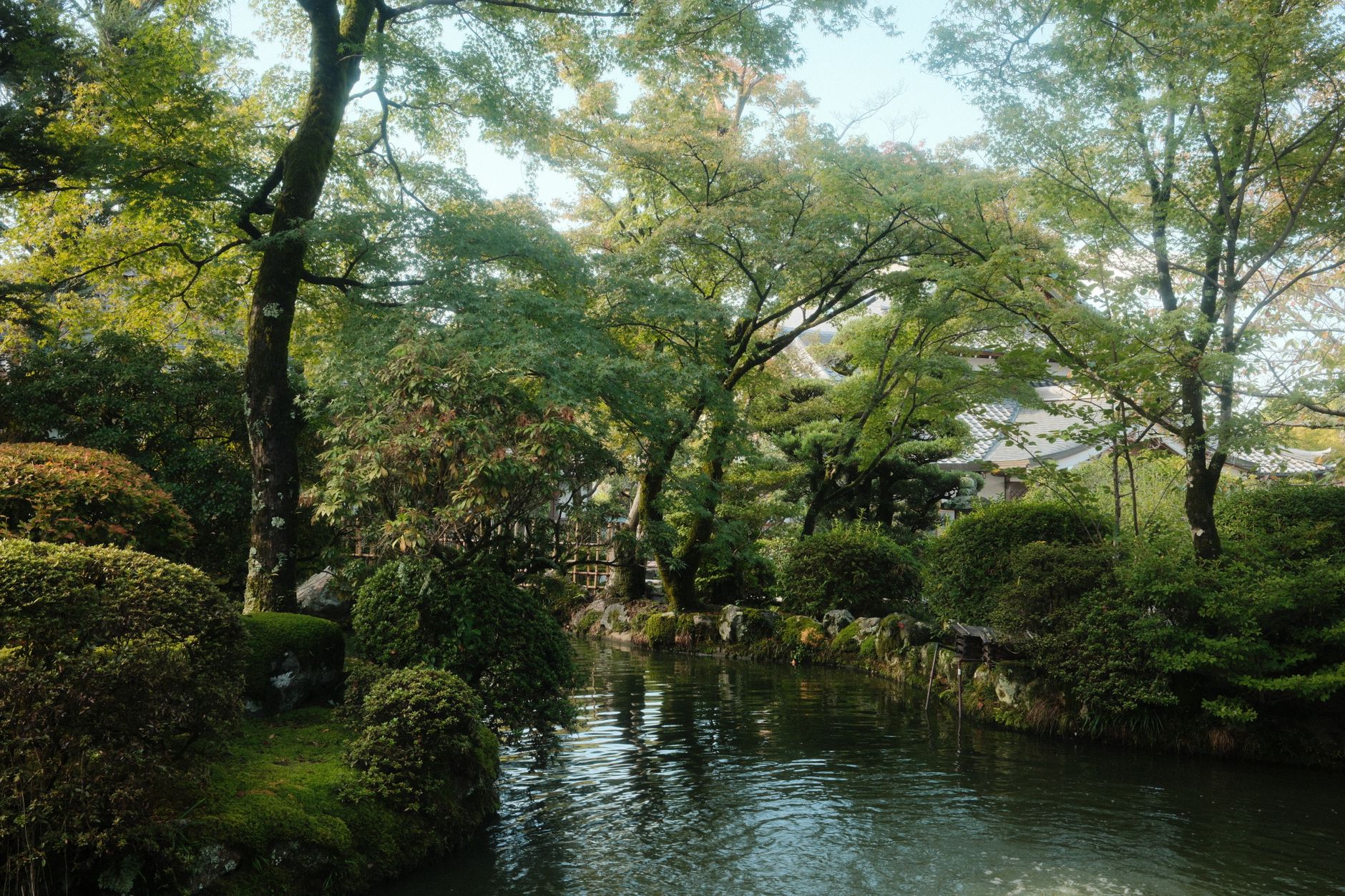
Japan's network of feudal castles, historical gardens, and traditional machiya townhouses offers settings of breathtaking historical weight. Himeji Castle in Hyogo Prefecture — a UNESCO World Heritage Site and Japan's most complete original castle — permits photography sessions on its grounds and has nearby gardens suited to intimate ceremonies. While holding ceremonies inside the castle itself is not permitted, specialist photographers and planners can arrange stunning editorial shoots and small outdoor ceremonies nearby. Kenroku-en in Kanazawa, consistently ranked among Japan's top three landscape gardens, and Kokedera (the Moss Temple) near Kyoto provide extraordinary natural textures — though note that venues within designated cultural properties often have strict rules about commercial use, and you must work through licensed operators. Okayama's Korakuen garden and Shimane's Adachi Museum of Art garden (repeatedly ranked Japan's finest) have hosted private ceremonies for international clients through specialised coordinators. For a castle experience that is fully ceremony-ready, the Matsumoto Castle area in Nagano and the Inuyama Castle town in Aichi have established relationships with local wedding vendors who offer full-service packages including kimono dressing, ceremony, and photography from around ¥300,000. These smaller castle towns also offer more personal experiences than major tourist cities, and the old townscape provides a visually cohesive backdrop throughout the day.

Tip: Garden venues are subject to weather — always ask whether your chosen venue has an indoor backup space or a clear rain-day policy before signing a contract.

Best Seasons and Regions to Get Married in Japan

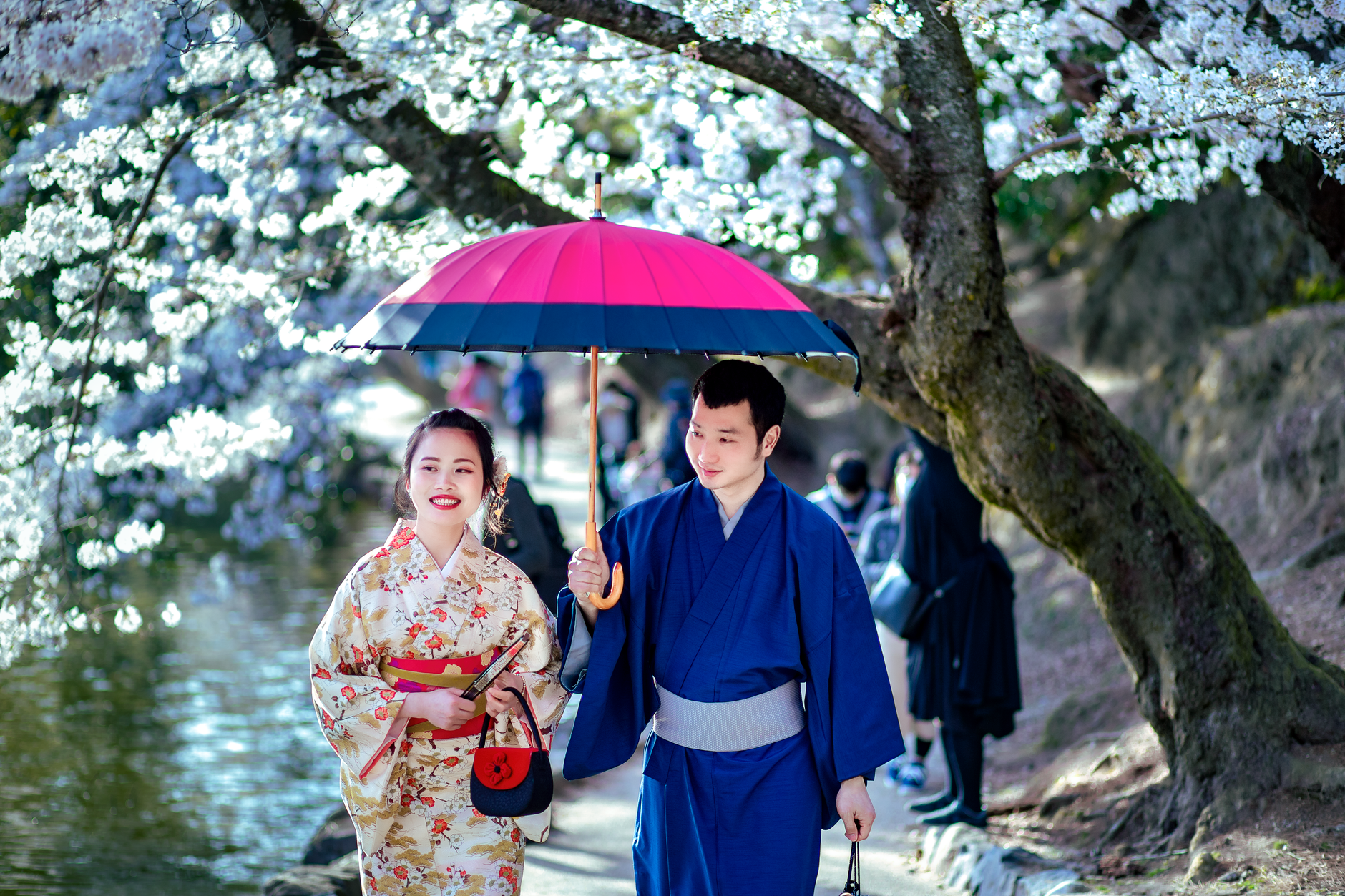
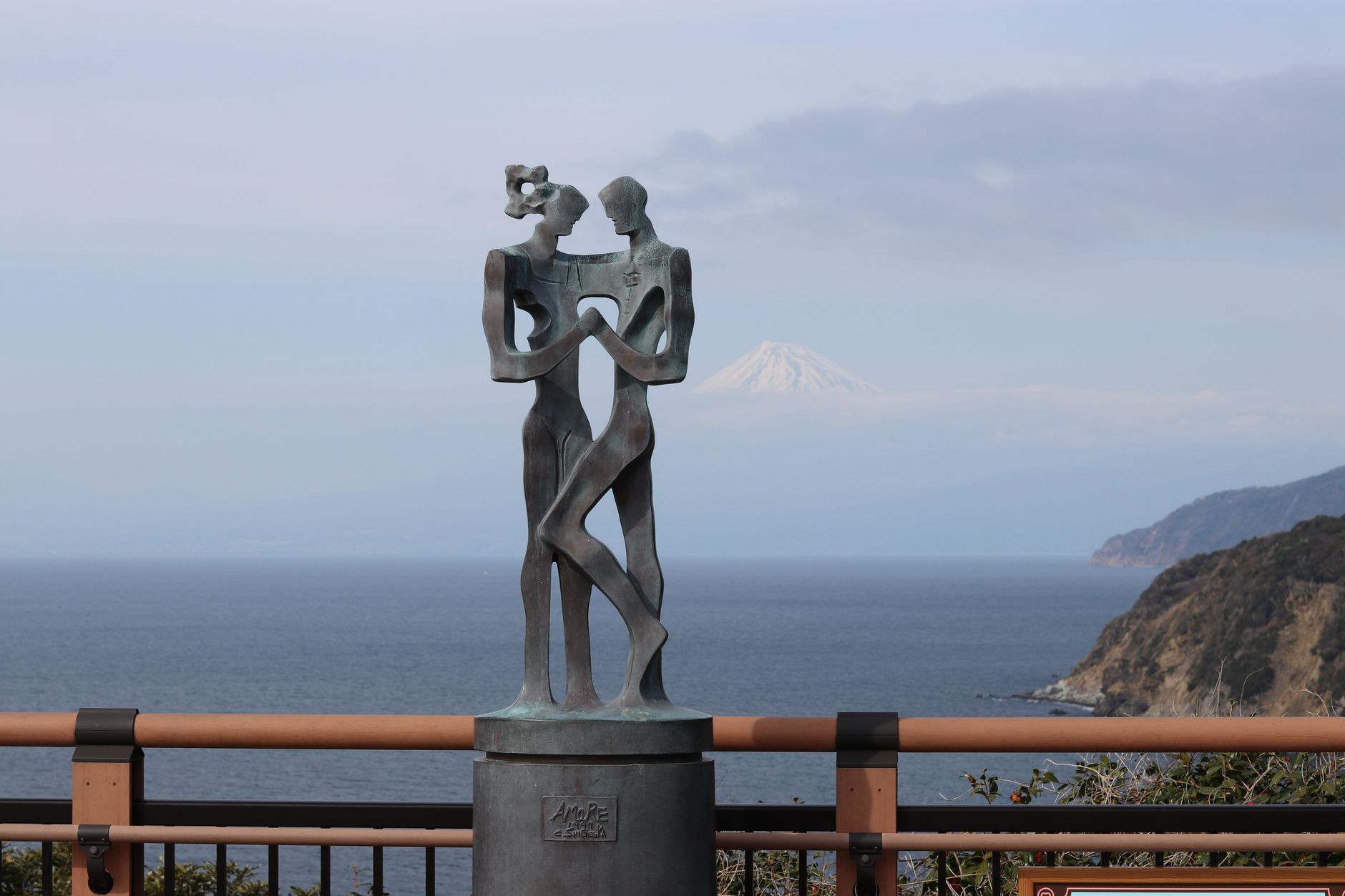
Timing is everything in Japan. Cherry blossom season (late March to mid-April) and autumn foliage season (mid-October to late November) are the most visually spectacular times to marry, but they are also peak tourist periods when accommodation, transportation, and venue availability tighten sharply. Booking 12–18 months ahead is strongly recommended if your heart is set on cherry blossoms at a Kyoto shrine or autumn at a Nikko forest chapel. For couples who prefer beauty without the crowds, early May (after Golden Week ends, roughly May 8–20) offers lush green landscapes and mild temperatures. Late September is another sweet spot — the worst of summer humidity has passed, the light turns golden, and gardens begin their pre-autumn transition. Winter ceremonies, particularly in Hokkaido and the Japanese Alps (Hakuba, Niseko), carry genuine magic: snowscapes, hot spring ryokan receptions, and a romantic quietness that peak season simply cannot offer. Regionally, Kyoto remains the number-one choice for its concentration of shrines, temples, gardens, and kimono culture. Tokyo offers the widest range of international-friendly vendors and luxury hotel venues. Hakone provides mountain scenery with Mt. Fuji views (when cloud permits). Okinawa is Japan's answer to a tropical island wedding — white sand beaches, clear turquoise water, and a subtropical climate that allows outdoor ceremonies year-round, with the most reliable weather between March and June.

Tip: In Kyoto, avoid the last week of October through mid-November if you want manageable crowds — the absolute peak of autumn colour brings extraordinary beauty but also overwhelming tourist density at popular spots.

Ryokan and Onsen Wedding Experiences: Intimate and Deeply Traditional

For couples who want their wedding to feel like a total cultural immersion rather than simply a ceremony at a landmark, a ryokan (traditional inn) wedding is an outstanding option. These experiences typically unfold over one or two nights: the couple arrives, is dressed in kimono by professional kitsuke (kimono dressing) specialists, holds a small ceremony in the inn's private garden or tatami room, and then enjoys kaiseki (multi-course traditional cuisine) with guests in a private dining room. Waking up the next morning in a futon-laid room with sliding shoji screens, bathing in a cypress wood onsen, and receiving a formal Japanese breakfast together is genuinely unforgettable. Top ryokan for weddings include Gora Kadan in Hakone (from around ¥800,000 for a two-person ceremony package with accommodation), Beniya Mukayu in Yamanaka Onsen (Ishikawa Prefecture), and Tawaraya in Kyoto — one of Japan's most revered inns, which hosts private ceremonies for discerning guests. In the Kinosaki Onsen area of Hyogo, several mid-range ryokan offer ceremony packages from around ¥300,000–¥500,000 including costume rental and a small kaiseki dinner. Ryokan weddings are especially well-suited to elopements or very small gatherings of 2–10 people. Because the entire experience is contained within one property, the coordination is simpler, the intimacy is genuine, and the resulting photographs — tatami rooms, engawa verandas, stone garden lanterns — are among the most distinctively Japanese images any couple could bring home.

Tip: If you plan to wear a shiromuku or furisode kimono for your ceremony, request a kitsuke specialist who works regularly with non-Japanese clients — the process takes 45–90 minutes and clear communication about comfort and fit matters.

Practical Planning Guide: Working with Vendors and Coordinators

The single most important decision for foreign couples planning a wedding in Japan is selecting the right wedding coordinator. Very few venues — even major hotels — have English-speaking coordinators on staff who also understand international customs, legal nuances, and how to advise non-Japanese clients on everything from visa requirements for guests to shipping a wedding dress internationally. Specialist agencies such as Kotowa Wedding (with dedicated foreign-couple services), Japan Bridal Japan, and boutique coordinators operating through platforms like HelloJapan handle the end-to-end process and act as genuine cultural translators. For budget planning, be aware that Japanese wedding invoicing typically separates ceremony fees, costume rental, hair and makeup (bridal beauty in Japan is exceptionally sophisticated and often included in packages), photography, banquet per-head costs, and flower/décor. A realistic combined budget for a mid-tier ceremony with 15 guests in Kyoto or Tokyo runs ¥2,000,000–¥3,500,000. Elopement packages (two people, ceremony + photos only) can be arranged from ¥150,000–¥400,000 at specialist boutique operators. Visa considerations: guests travelling from most Western countries can enter Japan visa-free for up to 90 days (as of 2025). The couple themselves need no special visa to hold a symbolic ceremony. However, if you wish to legally marry in Japan, both partners must visit their country's embassy in Japan to obtain a certificate of legal capacity to marry (CLCM), after which the marriage is registered at a local ward office (kuyakusho). This process typically takes 2–5 business days and costs a modest administrative fee. Most foreign couples find it simpler to legalise at home and keep Japan as a purely ceremonial celebration.

Tip: Request a full itemised quote (mitsumori-sho) in writing from any venue before signing — Japanese wedding contracts are detailed and binding, so understand exactly what is and is not included before committing.