The Route Explained
The Tokyo-Kyoto-Osaka triangle is Japan's most popular tourist route for good reason — it covers the country's best highlights in a compact geography connected by the world's most efficient rail system. Tokyo provides modernity and energy. Kyoto delivers traditional culture and temples. Osaka offers food and entertainment. The Tokaido Shinkansen connects all three: Tokyo to Kyoto in 2 hours 15 minutes, Kyoto to Osaka in 15 minutes. A 7-day JR Pass (¥50,000) pays for itself with just one Tokyo-Kyoto round trip (normally ¥27,000 each way). Most travelers allocate 3 days Tokyo, 2-3 days Kyoto, 1-2 days Osaka.
Tip: Fly into Tokyo Narita/Haneda and out of Osaka Kansai (or vice versa) to avoid backtracking — multi-city bookings are often the same price as returns.
How Many Days in Each City
For a 7-day trip: Tokyo 3 days, Kyoto 2.5 days, Osaka 1.5 days. For 10 days: Tokyo 4 days, Kyoto 3 days, Osaka 2 days, Nara day-trip 1 day. For 14 days: add Hakone (1 night), extend Kyoto to 4 days, add Hiroshima day-trip from Osaka. Tokyo needs the most time due to its sheer size — each neighborhood (Shinjuku, Shibuya, Asakusa, Akihabara) deserves half a day minimum. Kyoto's compact temple clusters are efficient with early starts. Osaka can be experienced intensively — its highlights are concentrated in Namba/Dotonbori and the castle area.
Tip: If limited to 5 days total, do Tokyo 2.5, Kyoto 1.5, Osaka 1 — but honestly consider a focused 5 days in Tokyo alone rather than rushing all three.
Transport and the JR Pass
The 7-day Japan Rail Pass (¥50,000 ordinary, ¥70,000 Green/first class) covers all Shinkansen except Nozomi and Mizuho (use Hikari instead, adds 20 minutes). It also covers JR local trains within cities. Activate it on the day you leave Tokyo for maximum value. Without a JR Pass, individual Shinkansen tickets cost: Tokyo-Kyoto ¥13,970 one-way, Kyoto-Osaka ¥580 (local JR, no Shinkansen needed). Between Kyoto and Osaka, cheaper options include Hankyu Railway (¥400) and Keihan Railway (¥420). Within Kyoto, buses (¥230 flat fare) and subway cover the city.
Tip: The JR Pass must be purchased before arriving in Japan through authorized agents or the official JR website. It cannot be bought at stations.
Where to Stay in Each City
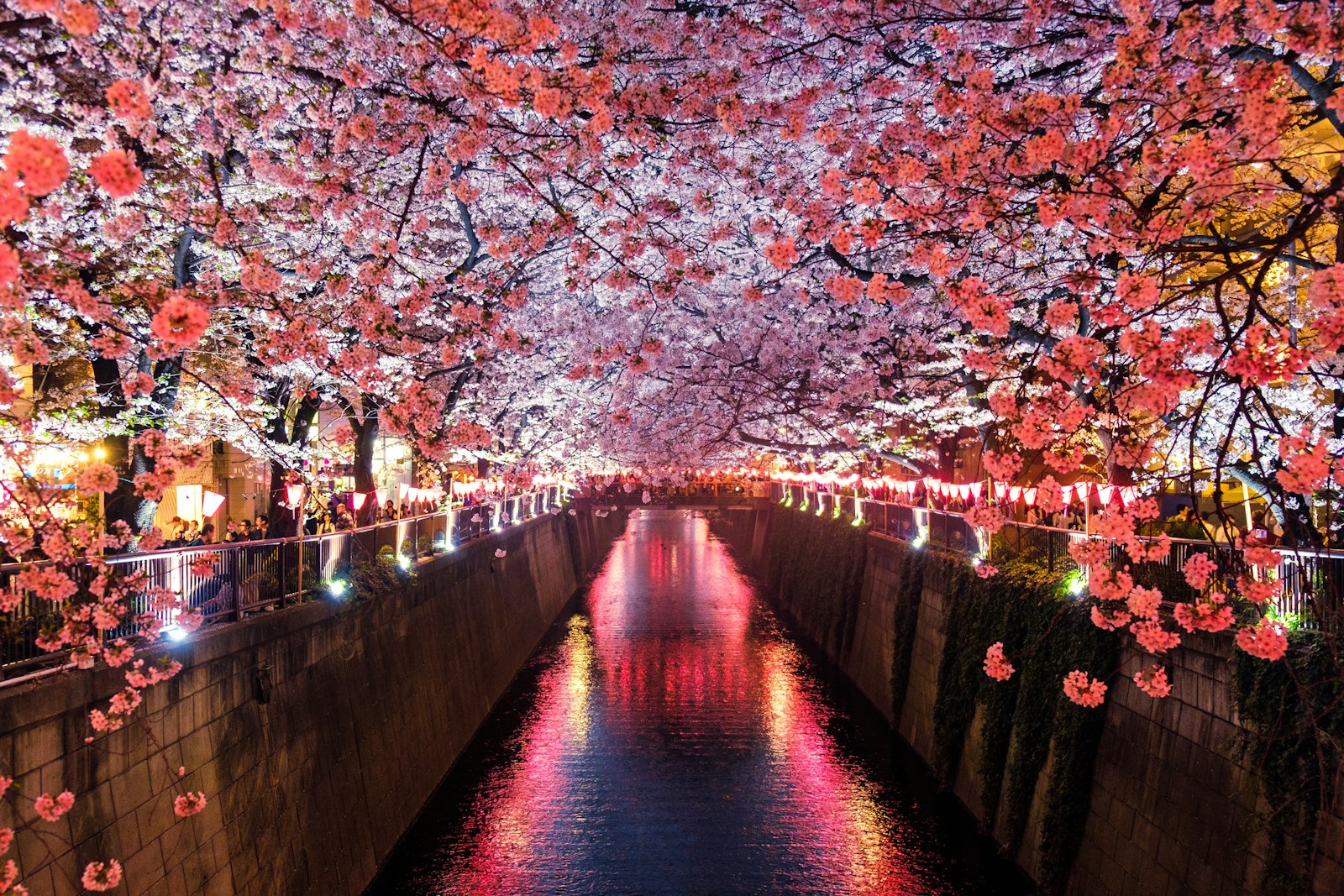
Tokyo: Shinjuku (best transport hub, nightlife), Asakusa (traditional, budget-friendly), or Shibuya (central, trendy). Kyoto: near Kyoto Station (transport convenience), Gion (atmosphere, premium price), or Nijo (central, good value). Osaka: Namba/Dotonbori (food, nightlife, Kansai Airport access) or Umeda/Osaka Station (business district, JR access). Budget per night: hostels ¥2,500-¥4,000, business hotels ¥6,000-¥12,000, mid-range ¥12,000-¥25,000. Book Kyoto accommodation earliest — it sells out before Tokyo or Osaka in cherry blossom and autumn seasons.
Tip: For Kyoto, staying near Kyoto Station is practical but lacks atmosphere. A hotel on the Karasuma subway line between Shijo and Gojo gives both convenience and a neighborhood feel.
Day-Trip Add-Ons
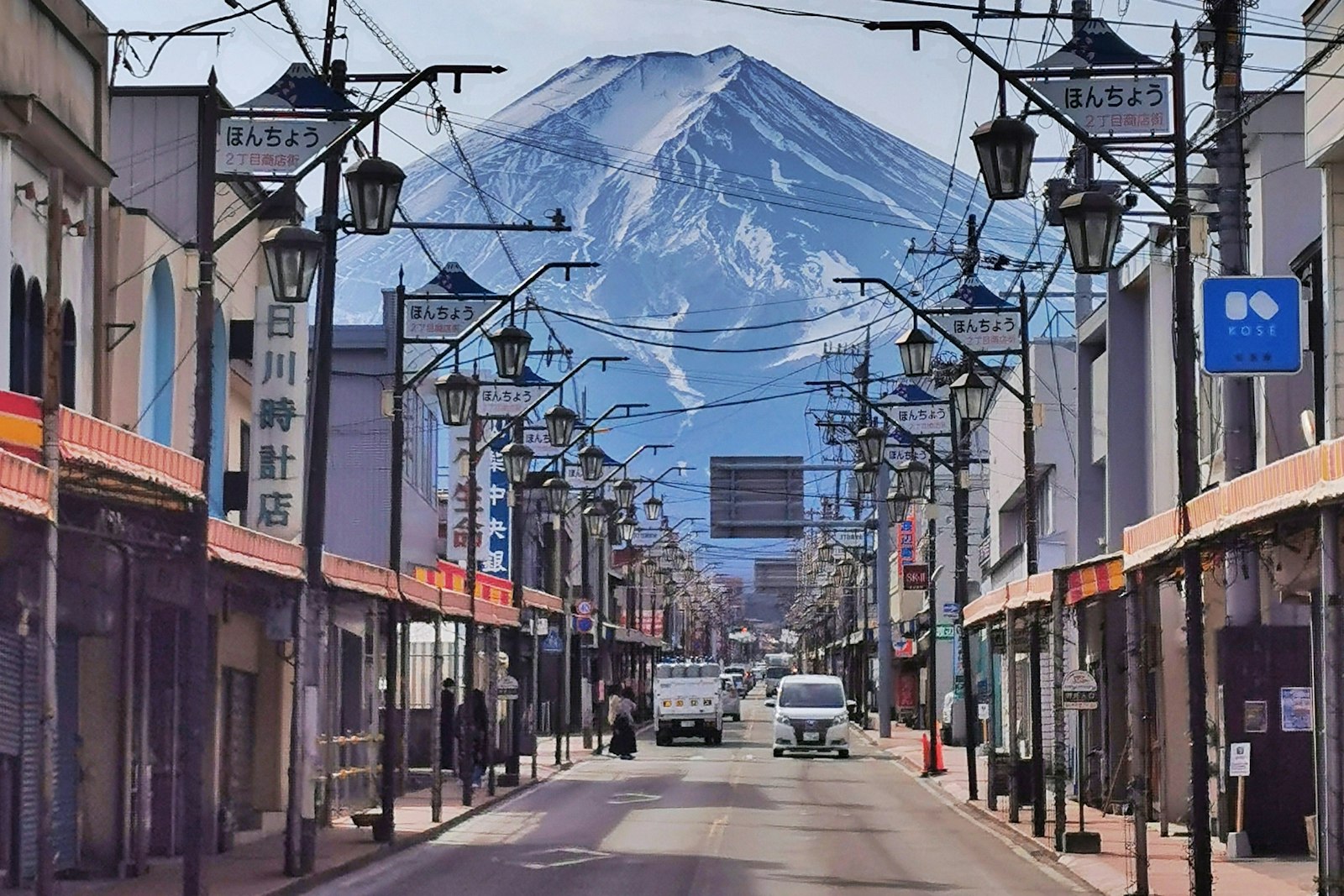
From Tokyo: Kamakura (1 hour JR, Great Buddha and beaches), Nikko (2 hours JR, ornate shrines in mountain forest), Hakone (35 min Shinkansen plus bus, hot springs and Fuji views). From Kyoto: Nara (45 min JR, deer and giant Buddha), Uji (20 min JR, finest matcha and Byodo-in temple), Himeji (50 min Shinkansen, Japan's most beautiful castle). From Osaka: Kobe (20 min JR, beef and harbor views), Himeji (same as from Kyoto), Mount Koya (90 min Nankai train, temple stays). All covered by JR Pass except Mount Koya (Nankai railway).