Why Visit Tokyo?
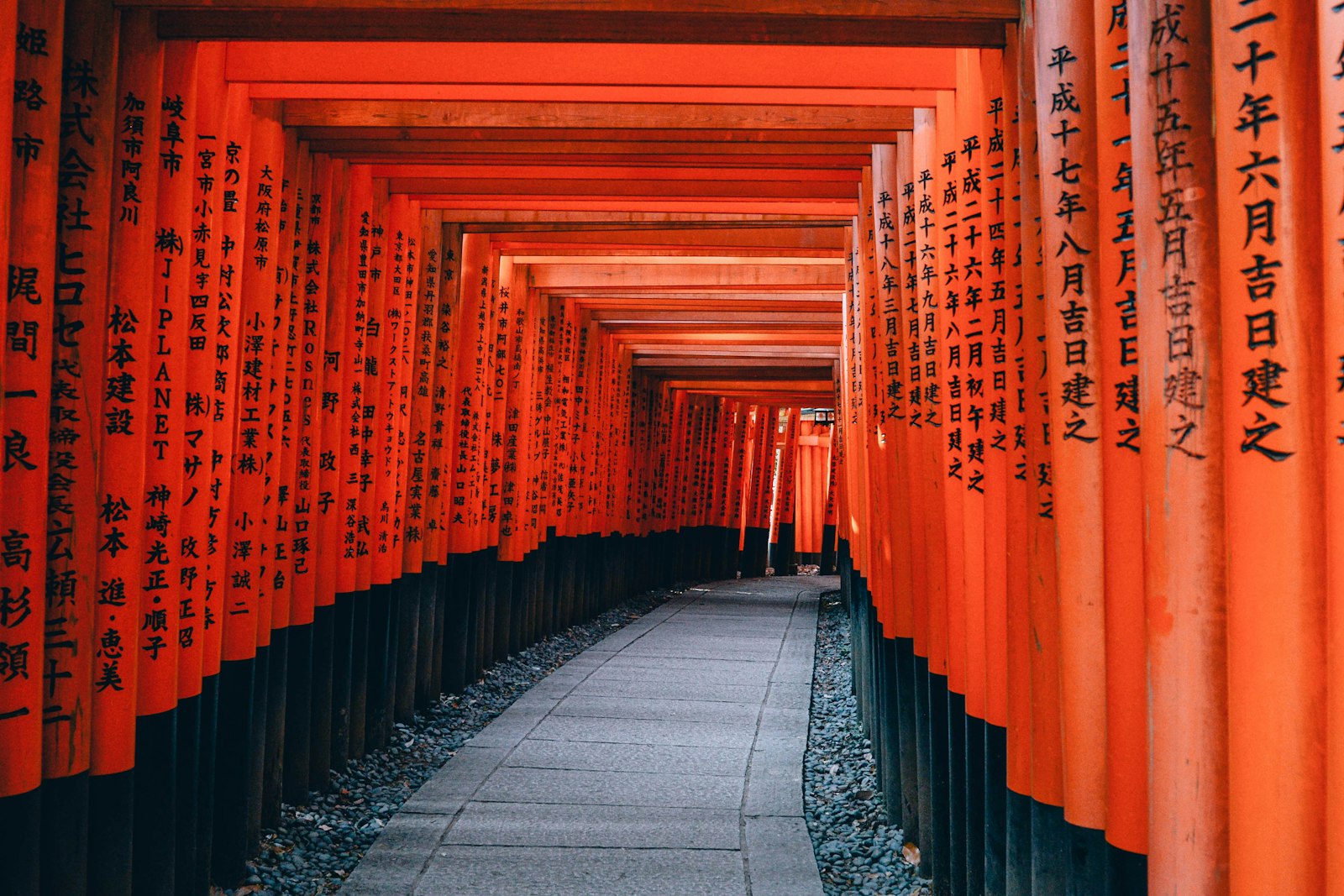
Tokyo is a city of extraordinary contrasts — ancient temples sit in the shadow of soaring skyscrapers, Michelin-starred restaurants share streets with standing ramen bars, and serene imperial gardens border the world's busiest intersections. With 14 million residents, Tokyo is the beating heart of modern Japan and one of the most exciting cities on the planet. Whether you are drawn by the food, the culture, the technology, or the fashion, Tokyo delivers an experience unlike anywhere else.
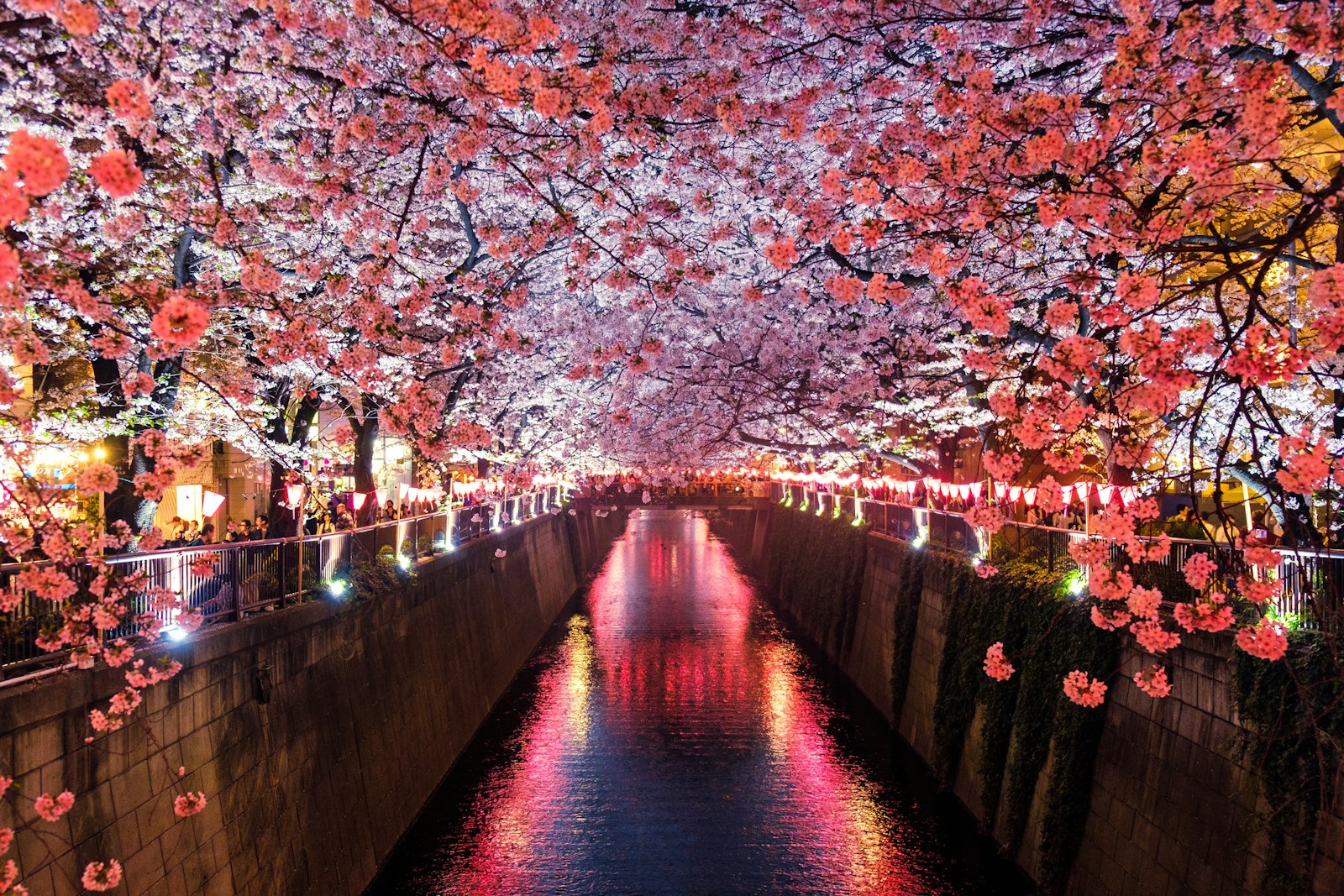
Tip: Pro tip: Visit during shoulder seasons (March-April for cherry blossoms or October-November for autumn foliage) to enjoy the best weather and fewer crowds than peak summer.
Getting Around Tokyo
Tokyo's public transport system is among the best in the world. The Tokyo Metro and Toei Subway lines cover virtually every neighborhood, and trains run every two to five minutes during the day. Buy a Suica or Pasmo IC card at any station — it works on trains, buses, and even convenience stores. For multi-day visits, the 72-hour Tokyo Subway Ticket (1,500 yen) offers unlimited rides on all subway lines. Taxis are clean, safe, and metered, but expensive — save them for late-night trips when trains stop around midnight.
Tip: Pro tip: Download the Navitime or Google Maps app for real-time English train navigation. Both show platform numbers and transfer walking times.
Top Neighborhoods to Explore
Each Tokyo neighborhood has its own personality. Shinjuku is the entertainment hub with neon-lit streets and Memory Lane's tiny yakitori bars. Shibuya is famous for its scramble crossing and youth culture. Asakusa holds the ancient Senso-ji temple and traditional craft shops. Akihabara is the epicenter of anime, gaming, and electronics. Harajuku showcases avant-garde fashion on Takeshita Street. Ginza is Tokyo's luxury shopping district with world-class department stores. Roppongi offers nightlife and art museums. And Yanaka preserves old-town Tokyo charm with winding alleyways and neighborhood cats.
What to Eat in Tokyo
Tokyo holds more Michelin stars than any other city in the world, but some of the best food costs under 1,000 yen. Must-try dishes include ramen (try Fuunji in Shinjuku for tsukemen), sushi (Sushi Dai at Toyosu Market or affordable conveyor belt chains like Sushiro), tempura (Tsunahachi in Shinjuku since 1924), and tonkatsu (crispy pork cutlet at Maisen in Omotesando). Do not miss depachika — the basement food halls of department stores — where you can sample wagyu, mochi, and seasonal sweets. For an unforgettable experience, book an omakase sushi counter where the chef selects each course.
Tip: Pro tip: Many top restaurants are tiny (6-10 seats) and require reservations weeks in advance. Our team can help secure hard-to-get bookings.
Budget Tips for Tokyo
Despite its reputation, Tokyo can be surprisingly affordable. Eat at gyudon chains (Yoshinoya, Matsuya) for filling meals under 500 yen. Stay in business hotels or hostels in Asakusa or Ikebukuro from 3,000 yen per night. Take advantage of free attractions like Meiji Shrine, the Imperial Palace East Gardens, and Senso-ji temple. Many museums offer free admission on specific days. Convenience stores (7-Eleven, Lawson, FamilyMart) sell excellent onigiri, sandwiches, and even hot meals at a fraction of restaurant prices. A comfortable daily budget is 8,000-15,000 yen per person including transport, food, and activities.
When to Visit Tokyo
Tokyo is a year-round destination. Spring (March-May) brings cherry blossoms and mild weather. Summer (June-August) is hot and humid but packed with festivals and fireworks. Autumn (September-November) offers perfect temperatures and stunning foliage in parks like Rikugien and Koishikawa Korakuen. Winter (December-February) is cold but clear, with spectacular illuminations across the city and fewer tourists. Avoid Golden Week (late April to early May) and Obon (mid-August) when domestic travel peaks and prices surge.
Day Trips from Tokyo
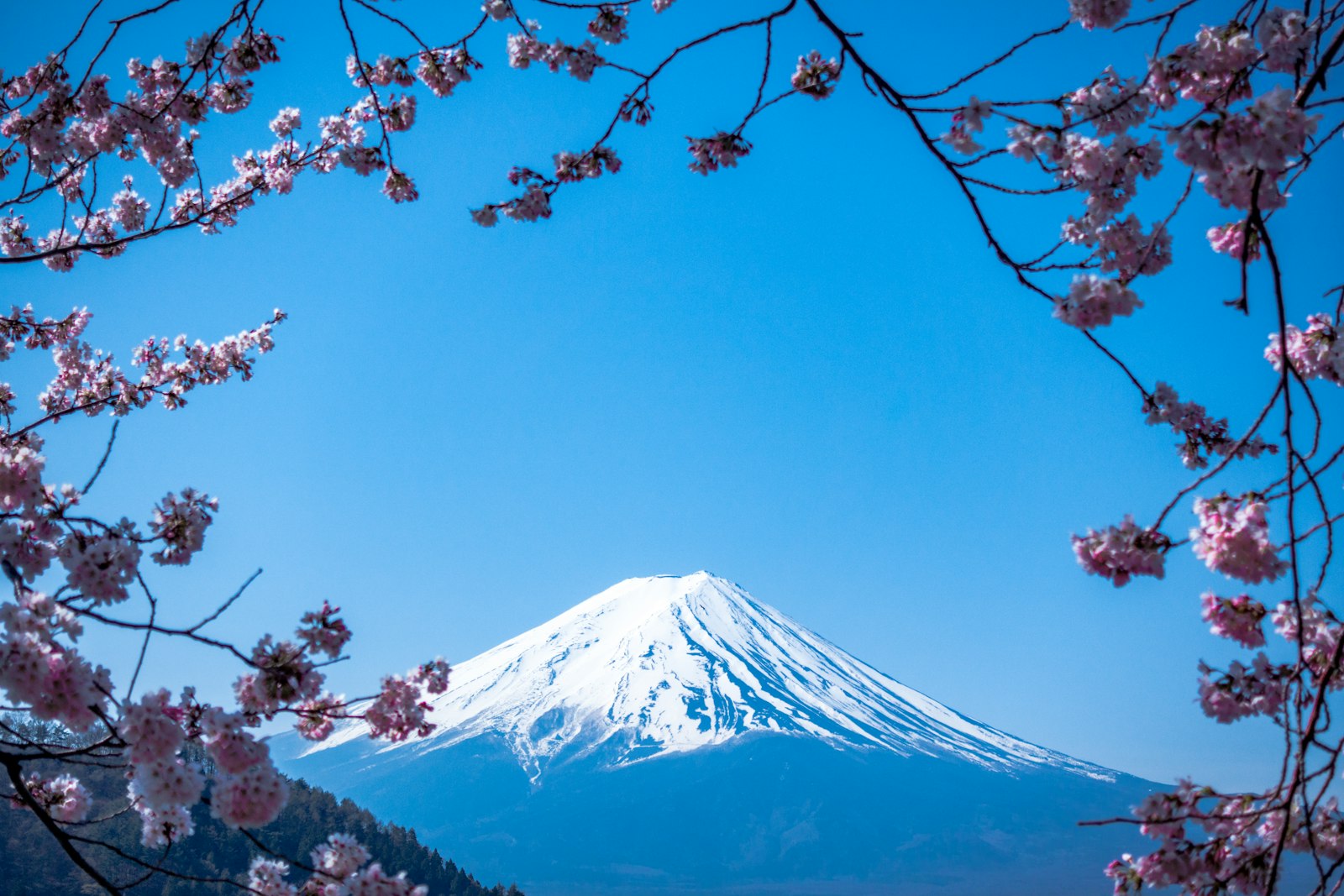
Several world-class destinations are within easy day-trip distance. Kamakura (1 hour) has the Great Buddha and seaside temples. Nikko (2 hours) boasts ornate shrines in a mountain forest setting. Hakone (1.5 hours) offers hot springs with Mount Fuji views. Kawaguchiko (2 hours) provides the iconic Fuji lakeside view. Yokohama (30 minutes) has Chinatown, a stunning waterfront, and craft beer breweries. All are accessible by train with a Suica card.
Tip: Pro tip: The Hakone Free Pass (6,100 yen for 2 days) covers round-trip from Shinjuku plus unlimited local transport including the ropeway, pirate ship, and buses.