Niseko United, Hokkaido — Best Powder
Niseko receives an average 15 meters of snowfall annually, delivering the dry Hokkaido powder that made Japan skiing world-famous. Four interconnected resorts (Grand Hirafu, Hanazono, Niseko Village, Annupuri) offer 887 hectares of varied terrain. Night skiing under floodlights is magical in falling snow. The town has excellent English-speaking services, international restaurants, and lively apres-ski. Lift passes cost ¥7,500/day for all four mountains. Access via New Chitose Airport to Kutchan by bus (2.5 hours, ¥4,000) or JR train to Niseko Station.
Tip: Ski the back bowls of Hanazono and Annupuri for fewer crowds. Grand Hirafu gets packed with day-trippers from Sapporo on weekends.
Hakuba Valley, Nagano — Best Terrain Variety
Site of the 1998 Winter Olympics, Hakuba Valley links ten resorts with terrain ranging from gentle groomers to extreme steeps. Happo-One is the flagship with 8 km runs and stunning views of the Northern Alps. Cortina and Norikura deliver deep tree skiing. Hakuba47 has Japan's best terrain park. Combined valley passes cover all resorts at ¥6,800/day. Hakuba is 4.5 hours from Tokyo by car or bus (¥4,800 from Shinjuku), or 90 minutes from Nagano Station by bus after taking the Hokuriku Shinkansen.
Tip: Stay in Echoland or Wadano for walkable access to Happo-One and the best restaurant selection. Book accommodation with onsen for post-ski recovery.
Nozawa Onsen — Best Traditional Village
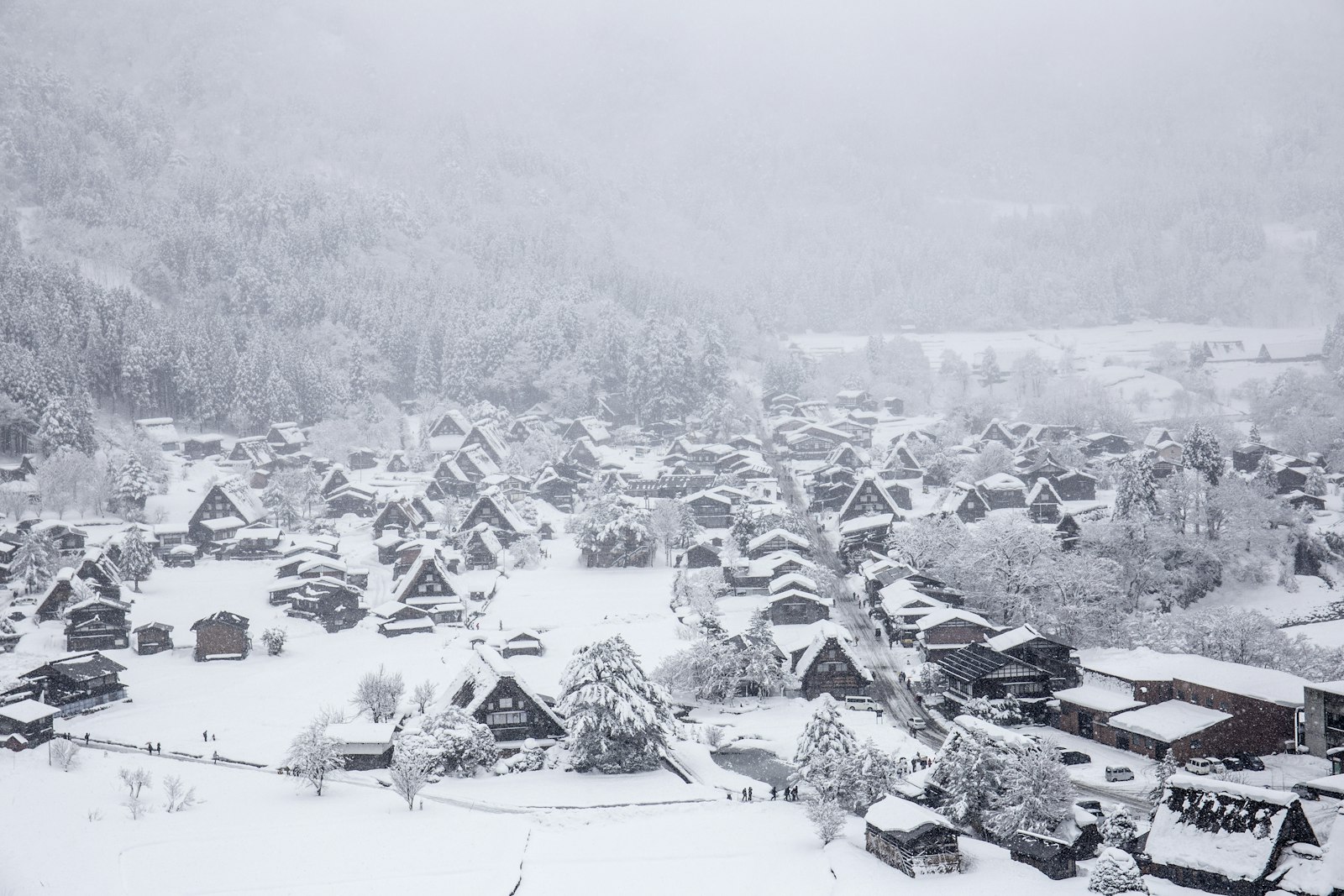
Nozawa Onsen combines excellent skiing with a charming hot spring village that has barely changed in centuries. The resort offers 297 hectares across 36 courses, with reliable snow from December through April. Yamabiko zone at the top provides powder stashes and challenging terrain. After skiing, soak in one of thirteen free public onsen (soto-yu) scattered through the village's narrow streets. Lift passes are ¥5,500/day. Direct bus from Tokyo Station (3.5 hours, ¥4,300) or Iiyama Station on the Hokuriku Shinkansen (25-minute bus).
Tip: The Dosojin Fire Festival in January is one of Japan's most spectacular — enormous wooden shrines are set ablaze in a dramatic night ceremony.
Myoko Kogen, Niigata — Best Value
Myoko flies under the international radar but receives massive snowfall rivaling Niseko at 12+ meters annually. Five interconnected areas offer terrain for all levels at significantly lower prices than Hakuba or Niseko. Akakura Onsen area has traditional ryokan, while Suginohara has Japan's longest single run at 8.5 km. Lift passes average ¥4,500/day. Access from Tokyo via Joetsu Shinkansen to Joetsu-Myoko Station (2 hours), then bus (30 minutes, ¥600).
Tip: Seki Onsen at the base of Seki area has a legendary natural hot spring with water so mineral-rich it turns brown — perfect after a powder day.
Rusutsu, Hokkaido — Best for Families
Rusutsu Resort offers Hokkaido powder across three mountains (East, West, Isola) with 37 courses and almost zero lift queues even in peak season. The gentle groomers and wide runs are perfect for intermediates and families. An indoor amusement park, wave pool, and carousel keep non-skiers entertained. The resort hotel connects directly to lifts. Lift passes cost ¥6,500/day. Free shuttle from Niseko (40 minutes) or bus from New Chitose Airport (2 hours, ¥3,500).
Tip: Night skiing at Rusutsu is exceptional — the West Mountain is fully lit and you often have freshly groomed runs entirely to yourself.