Shrine vs Temple — The Basics
Japan's two main religions coexist harmoniously. Shinto shrines (jinja) are identified by torii gates and worship kami (nature spirits). Buddhist temples (tera/ji) have incense burners and pagodas, following the teachings of Buddha. Most Japanese practice both — visiting shrines for life celebrations (birth, weddings, New Year) and temples for death and ancestor rites. You will encounter both constantly while traveling. Key visual difference: shrines have torii gates (often vermillion), shimenawa rope, and komainu guardian dogs. Temples have a sanmon gate, incense burner (jokoro), and Buddha statues.
Tip: When in doubt about whether a place is a shrine or temple, look at the name ending: '-jinja', '-gu', and '-taisha' are shrines; '-ji', '-dera', and '-in' are temples.
How to Visit a Shinto Shrine
Enter through the torii gate and walk along the sides of the approach (the center path is for the kami). At the temizuya water basin, purify your hands: ladle water over your left hand, then right, then cup water in your left hand to rinse your mouth (spit to the side, not back in), and tip the ladle upright to rinse the handle. At the main hall, throw a coin (¥5 is traditional — go-en sounds like 'good connection'), bow twice deeply, clap twice, make a wish or prayer silently, then bow once more. Fortune slips (omikuji, ¥100-¥200) can be drawn for predictions — tie bad fortunes to a rack to leave bad luck behind.
Tip: The ¥5 coin is considered the luckiest offering due to the wordplay. If you do not have a ¥5, any coin is acceptable — the intent matters more than the amount.
How to Visit a Buddhist Temple
Remove your hat before entering temple grounds. At the incense burner, waft smoke toward yourself (it is believed to heal ailments — direct it to a sore shoulder or head). The prayer ritual is simpler than shrines: stand before the altar, place a coin in the offering box, put your palms together (gassho), bow, and pray silently. No clapping. Some temples offer zazen meditation sessions (seated Zen meditation, typically free or by donation). Photography is usually allowed in outdoor areas but often prohibited inside main halls and around specific statues. Always check for signs.
Tip: Many temples sell goshuin (calligraphy stamps) for ¥300-¥500 each — collecting these in a dedicated goshuin-cho book (¥1,000-¥2,000) makes a beautiful souvenir of your spiritual journey across Japan.
Must-Visit Shrines
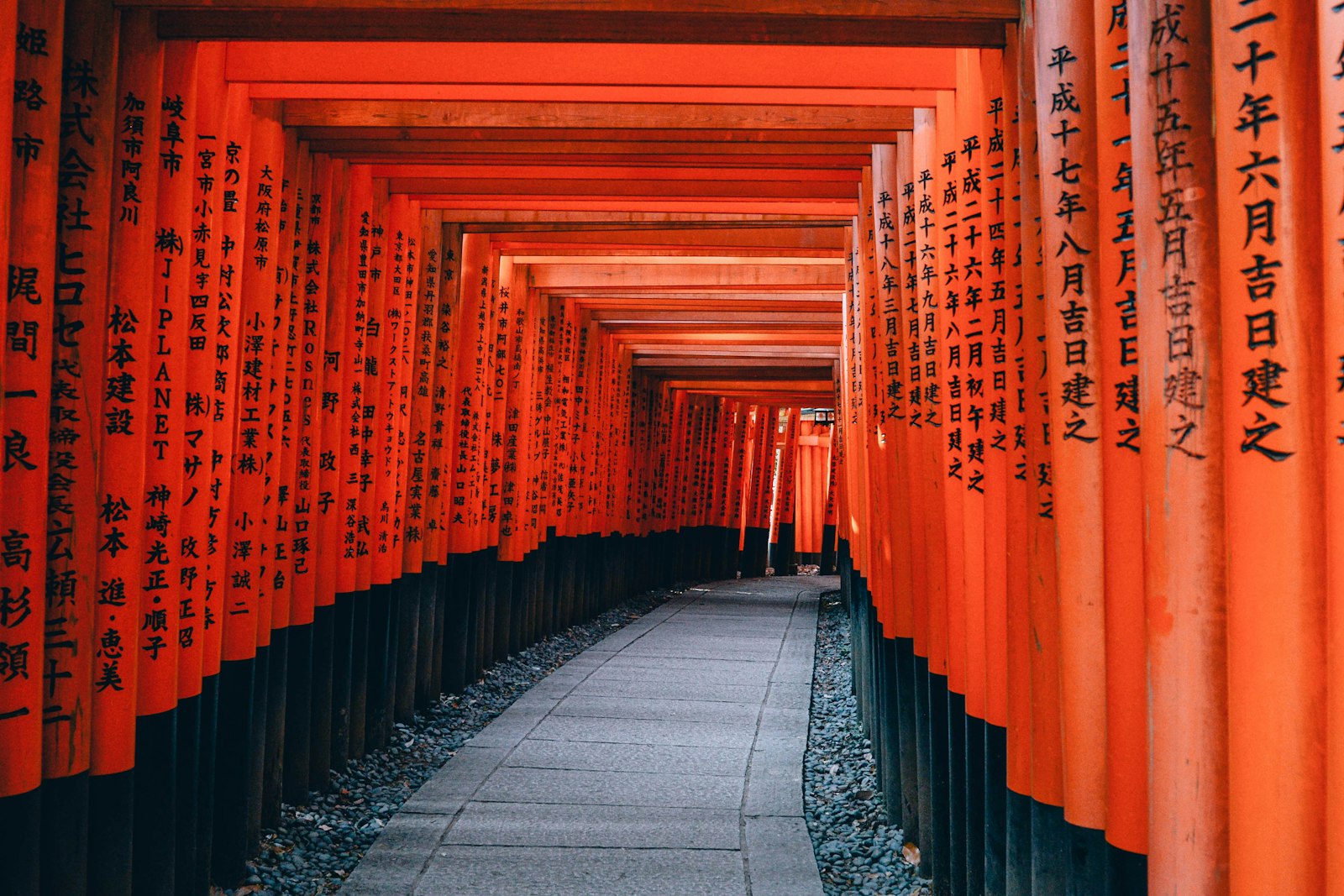
Fushimi Inari Taisha in Kyoto has 10,000 vermillion torii gates winding up a mountain (free). Meiji Jingu in Tokyo is a vast forest sanctuary dedicated to Emperor Meiji (free). Itsukushima Shrine on Miyajima Island features the floating torii gate in the Seto Inland Sea (¥300). Ise Grand Shrine in Mie Prefecture is Shinto's holiest site, rebuilt every 20 years for over 1,300 years (free). Toshogu in Nikko is the most ornately decorated shrine complex in Japan with 15,000 gold-leaf carvings (¥1,600). Izumo Taisha in Shimane is dedicated to marriage and relationships (free).
Tip: Ise Grand Shrine (Ise Jingu) is unique — you cannot see the main buildings behind the fences. The pilgrimage is about the journey through ancient cypress forests, not a viewpoint.
Must-Visit Temples
Senso-ji in Asakusa, Tokyo is the capital's oldest temple with a dramatic thunder gate and Nakamise shopping approach (free). Kinkaku-ji (Golden Pavilion) in Kyoto reflects magnificently in its mirror pond (¥500). Todai-ji in Nara houses the world's largest bronze Buddha inside the world's largest wooden building (¥600). Kiyomizu-dera in Kyoto offers a dramatic wooden stage jutting over a hillside of cherry and maple trees (¥400). Horyu-ji near Nara contains the world's oldest surviving wooden buildings, dating to the 7th century (¥1,500). Koyasan in Wakayama hosts 117 temples where you can sleep, eat, and meditate overnight (from ¥10,000/person).
Seasonal Religious Events
Hatsumode (New Year shrine visit, Jan 1-3) sees millions visiting major shrines — Meiji Jingu alone draws 3 million. Setsubun (Feb 3) features bean-throwing at temples to drive out evil. Obon (mid-August) honors ancestors with lantern floating and bon-odori dancing at temples. Shichi-Go-San (Nov 15) brings children in kimono to shrines for blessings. During these events, shrine and temple grounds have festival stalls selling yakisoba, takoyaki, and cotton candy. Participating in seasonal rituals — even as a tourist — is welcomed and provides authentic cultural immersion.