Japanese Festival Calendar 2026-2027: Month by Month
Activities 8 min read

Japanese Festival Calendar 2026-2027: Month by Month

January to March — Winter Celebrations

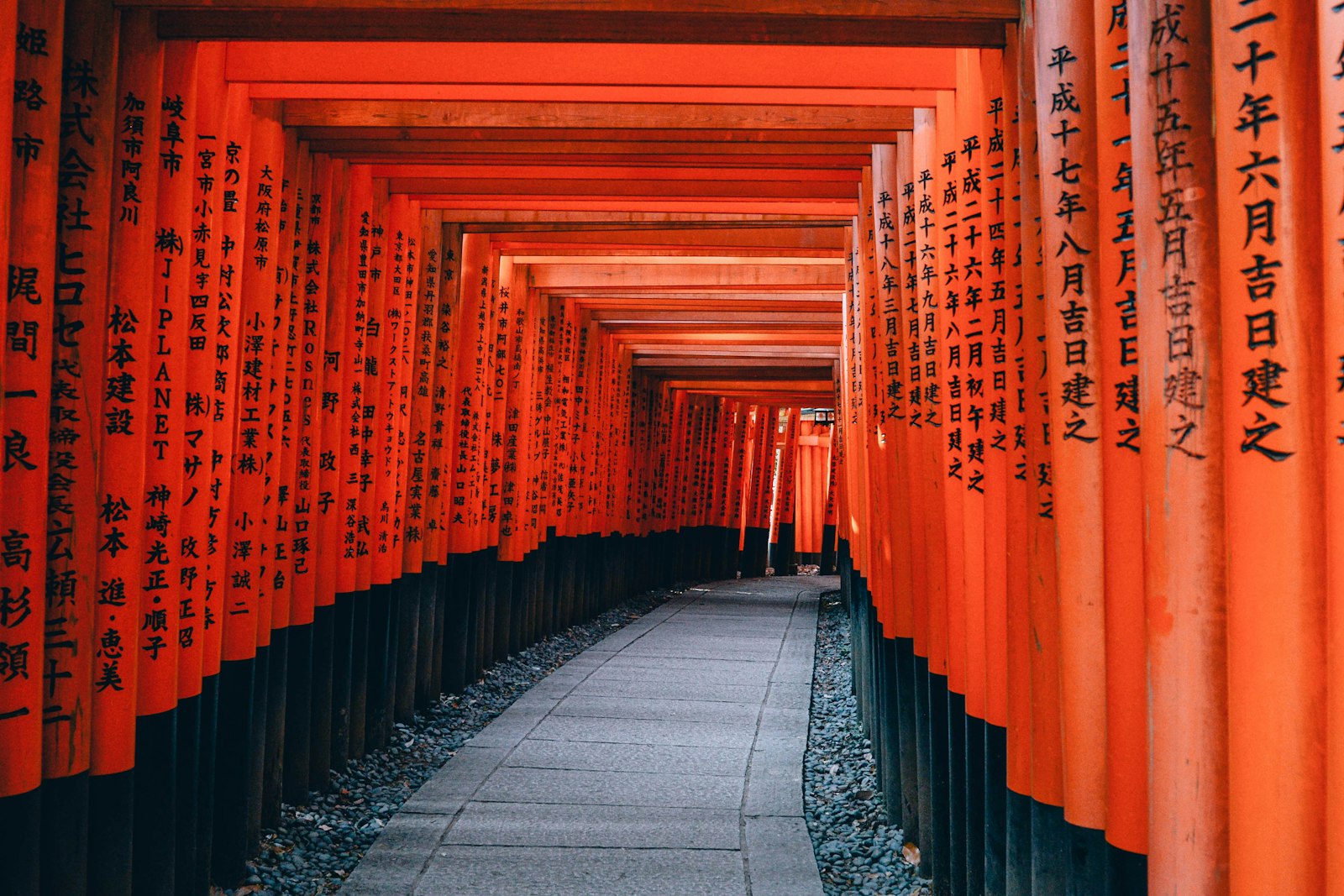
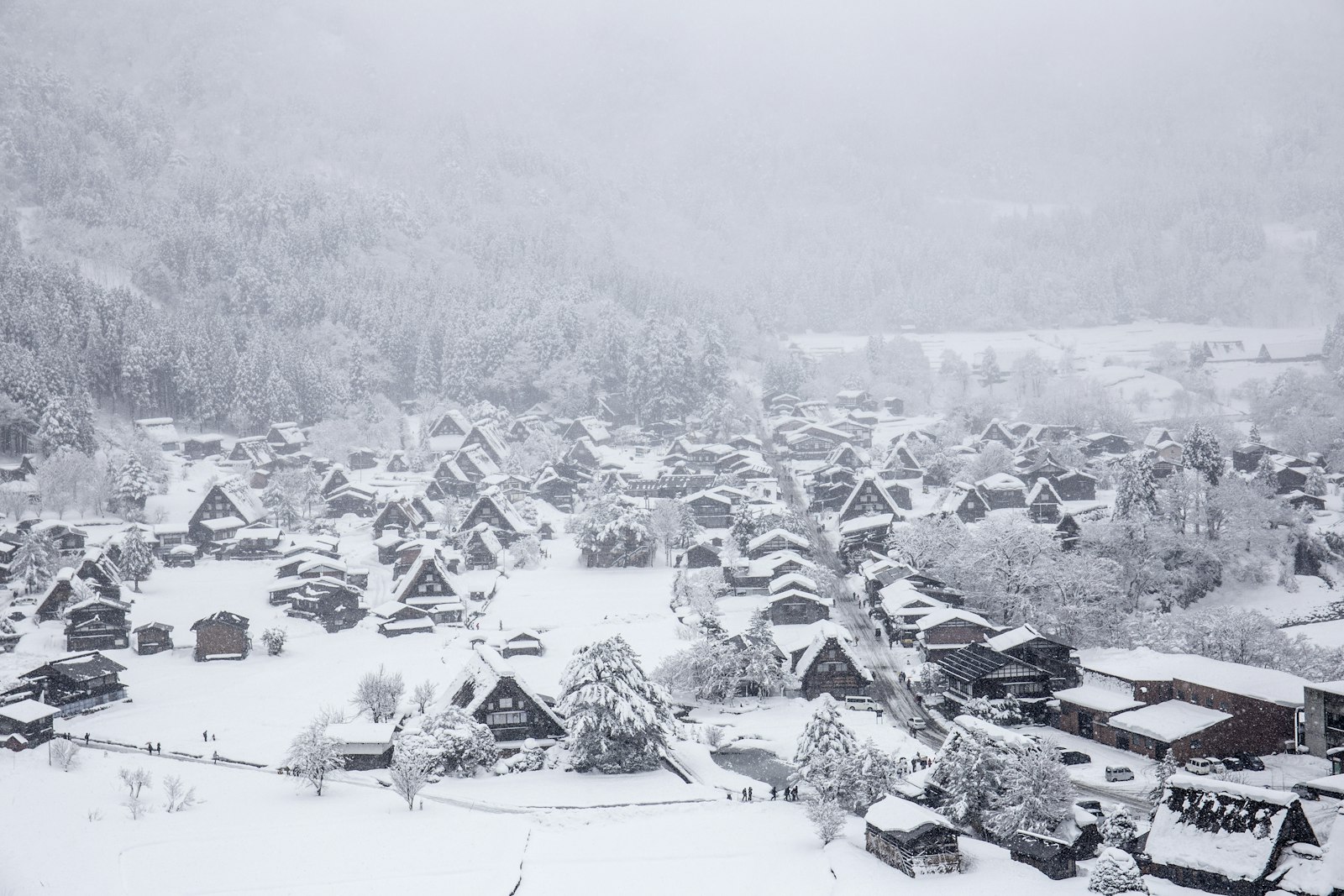
January: Hatsumode (New Year shrine visits nationwide, Jan 1-3) is Japan's biggest annual event — Meiji Jingu draws 3 million visitors. Toka Ebisu in Osaka (Jan 9-11) celebrates the god of business prosperity at Imamiya Ebisu Shrine. February: Sapporo Snow Festival (early Feb) fills Odori Park with massive ice sculptures. Setsubun (Feb 3) features bean-throwing at temples nationwide. Yokote Kamakura Festival in Akita (Feb 15-16) builds hundreds of snow igloos. March: Omizutori at Todai-ji, Nara (Mar 1-14) is a dramatic fire ceremony on the temple balcony. Hina Matsuri (Mar 3) displays elaborate imperial dolls in homes and shops.

Tip: Sapporo Snow Festival requires hotel bookings 3-4 months in advance — the city fills completely during the week-long event. Stay in Otaru (30 min by train) as an alternative.

April to June — Spring Festivals

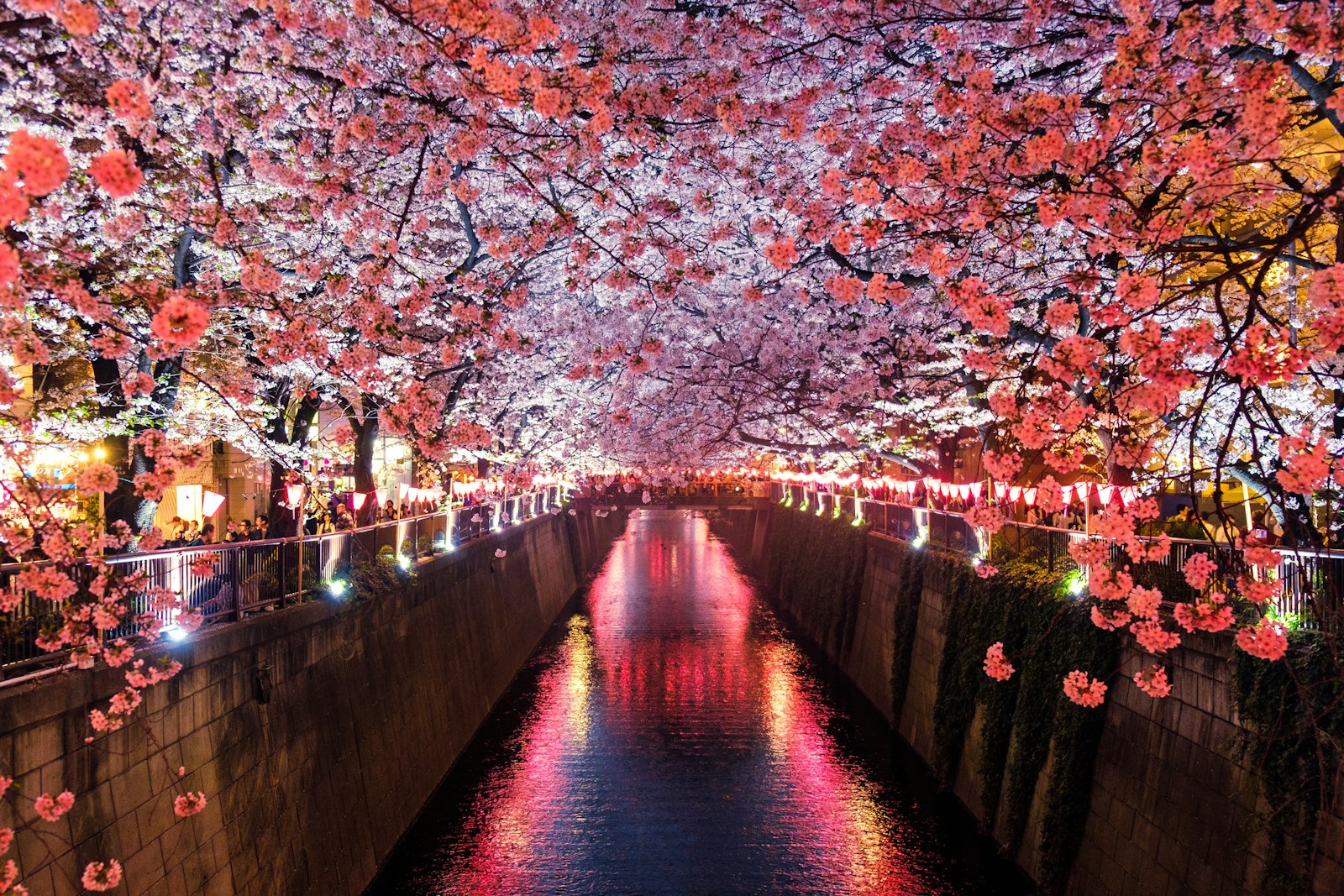
April: Cherry blossom festivals transform parks across Japan. Takayama Spring Festival (Apr 14-15) parades elaborate floats through the old town. Kanamara Matsuri in Kawasaki (first Sunday in April) is a famously uninhibited fertility festival. May: Sanja Matsuri in Asakusa, Tokyo (third weekend) carries 100 portable shrines through the streets in Tokyo's wildest festival. Aoi Matsuri in Kyoto (May 15) is a stately imperial procession with 500 participants in Heian-period costume. June: quieter month but Sanno Matsuri in Tokyo (mid-June, biennial) rivals Kanda Matsuri as the capital's grandest.

Tip: Sanja Matsuri is the most energetic festival accessible from central Tokyo — the atmosphere in Asakusa is electric as teams carry heavy mikoshi (portable shrines) through packed streets.

July to August — Summer Matsuri Season

July: Gion Matsuri in Kyoto (entire month, float procession Jul 17 and 24) is Japan's most famous festival with 1,000-year-old towering wooden floats. Tenjin Matsuri in Osaka (Jul 24-25) features river boat processions and fireworks. Sumida River Fireworks in Tokyo (late Jul) launch 20,000 fireworks. August: Nebuta Matsuri in Aomori (Aug 2-7) parades enormous illuminated paper floats through streets. Awa Odori in Tokushima (Aug 12-15) is Japan's largest dance festival with 100,000 dancers. Kanto Matsuri in Akita (Aug 3-6) balances 12-meter bamboo poles with 46 lanterns. Obon (Aug 13-15) honors ancestors nationwide.

Tip: August festivals in Tohoku (Nebuta, Kanto, Tanabata) can be combined in one trip — they run consecutively and are all accessible by Shinkansen from Tokyo.

September to October — Autumn Celebrations

September: Kishiwada Danjiri Matsuri near Osaka (mid-Sep) races massive wooden carts through narrow streets at dangerous speeds — Japan's most thrilling festival. Tsurugaoka Hachimangu Reitaisai in Kamakura (Sep 14-16) features yabusame (horseback archery). October: Nagasaki Kunchi (Oct 7-9) showcases Chinese dragon dances from the city's multicultural heritage. Takayama Autumn Festival (Oct 9-10) parades night floats lit by hundreds of lanterns. Jidai Matsuri in Kyoto (Oct 22) recreates 1,000 years of Japanese history in a 2-km costume procession from the Imperial Palace.

Tip: Kishiwada Danjiri is genuinely dangerous — the 4-ton wooden carts are pulled at full speed around corners. Spectators should stay well behind barriers and follow marshal instructions.

November to December — Year-End Festivities

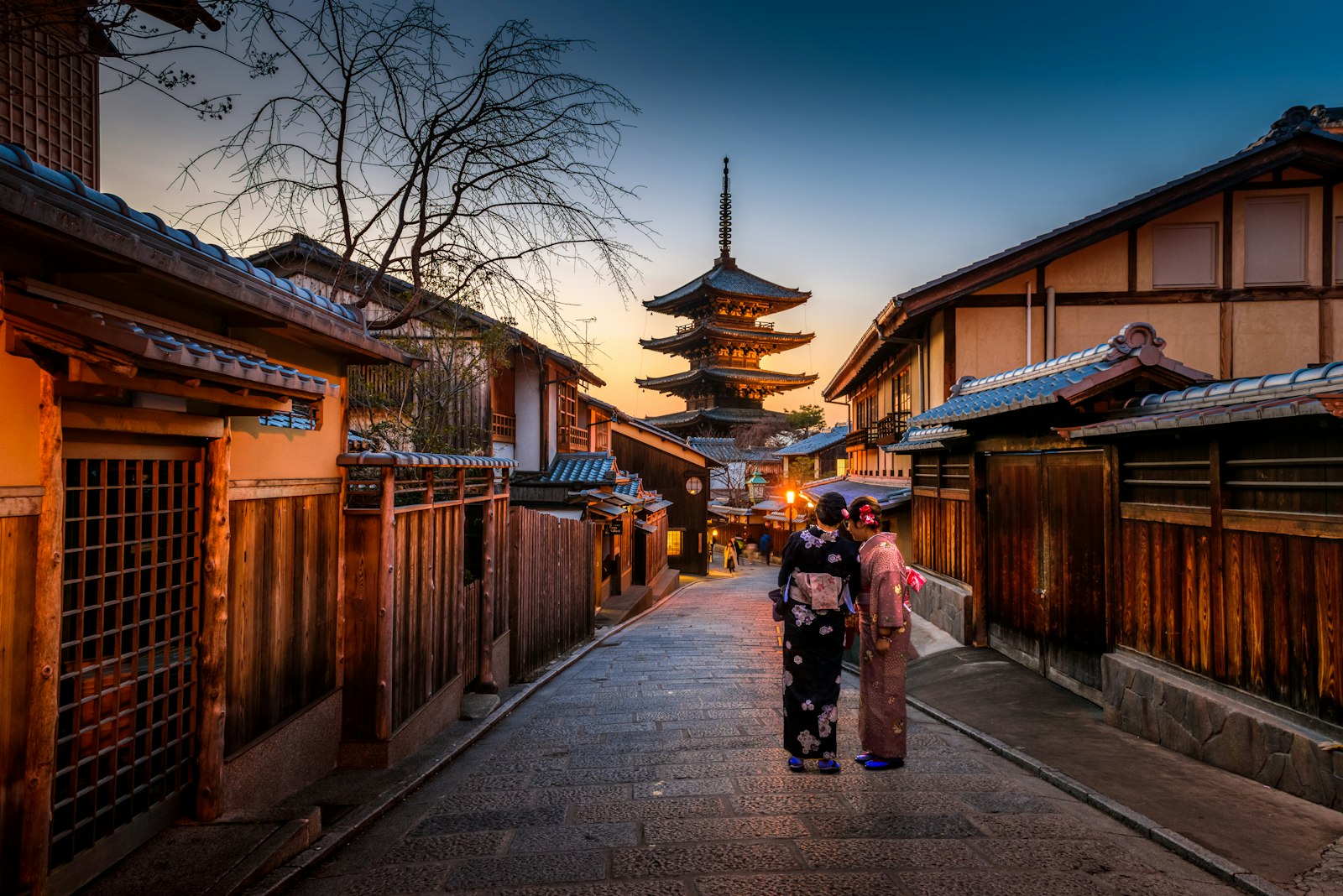
November: Shichi-Go-San (Nov 15) brings children aged 3, 5, and 7 to shrines in colorful kimono — Meiji Jingu and Senso-ji are the best spots for seeing the tradition. Tori-no-Ichi fair at Otori Shrine, Tokyo (November rooster days) sells ornate kumade rakes for business fortune. December: Chichibu Night Festival (Dec 2-3) in Saitama parades illuminated floats with fireworks in winter — one of Japan's three great float festivals. Omisoka (Dec 31) features joya no kane — temple bells rung 108 times at midnight to cleanse 108 earthly desires. Join locals at any neighborhood temple for the atmospheric countdown to the New Year.

Tip: For New Year's Eve, choose either a temple bell ceremony (solemn, spiritual) or a Shibuya/Roppongi countdown (party atmosphere). Both are unforgettable but very different experiences.