Summer in Japan: What to Expect
Japanese summers (June-August) are hot and humid — Tokyo averages 30-35 degrees C with high humidity from mid-June through September. The rainy season (tsuyu) runs approximately June 7 to July 20 in most of Honshu. Despite the heat, summer has unique advantages: spectacular fireworks festivals (hanabi), vibrant matsuri celebrations, lush green landscapes, uncrowded temples (Japanese tourists avoid the heat), and beach/island opportunities. The key is planning around heat — schedule outdoor activities for early morning and evening, with air-conditioned museums and shopping during midday.
Tip: Carry a small towel (tenugui) and a portable fan. Convenience stores sell cooling spray and ice packs. Drink constantly — vending machines on every corner make hydration easy.
Days 1-3: Tokyo Summer Festivals
Summer Tokyo is festival season. The Sumida River Fireworks (late July) launch 20,000 fireworks above Asakusa — arrive by 4 PM for a spot. Koenji Awa Odori (late August) fills streets with 12,000 dancers in the largest awa odori outside Tokushima. Mitama Matsuri at Yasukuni Shrine (mid-July) hangs 30,000 lanterns creating ethereal illumination. Between festivals, beat the heat at teamLab, indoor shopping in Ginza, or early-morning Tsukiji exploration. Evening street food in Shinjuku and Asakusa is better in summer with outdoor beer gardens and natsu matsuri food stalls.
Tip: Japanese fireworks festivals are best experienced with a yukata (summer kimono) — rental shops near festival venues offer same-day fitting from ¥3,000.
Days 4-6: Escape to the Mountains
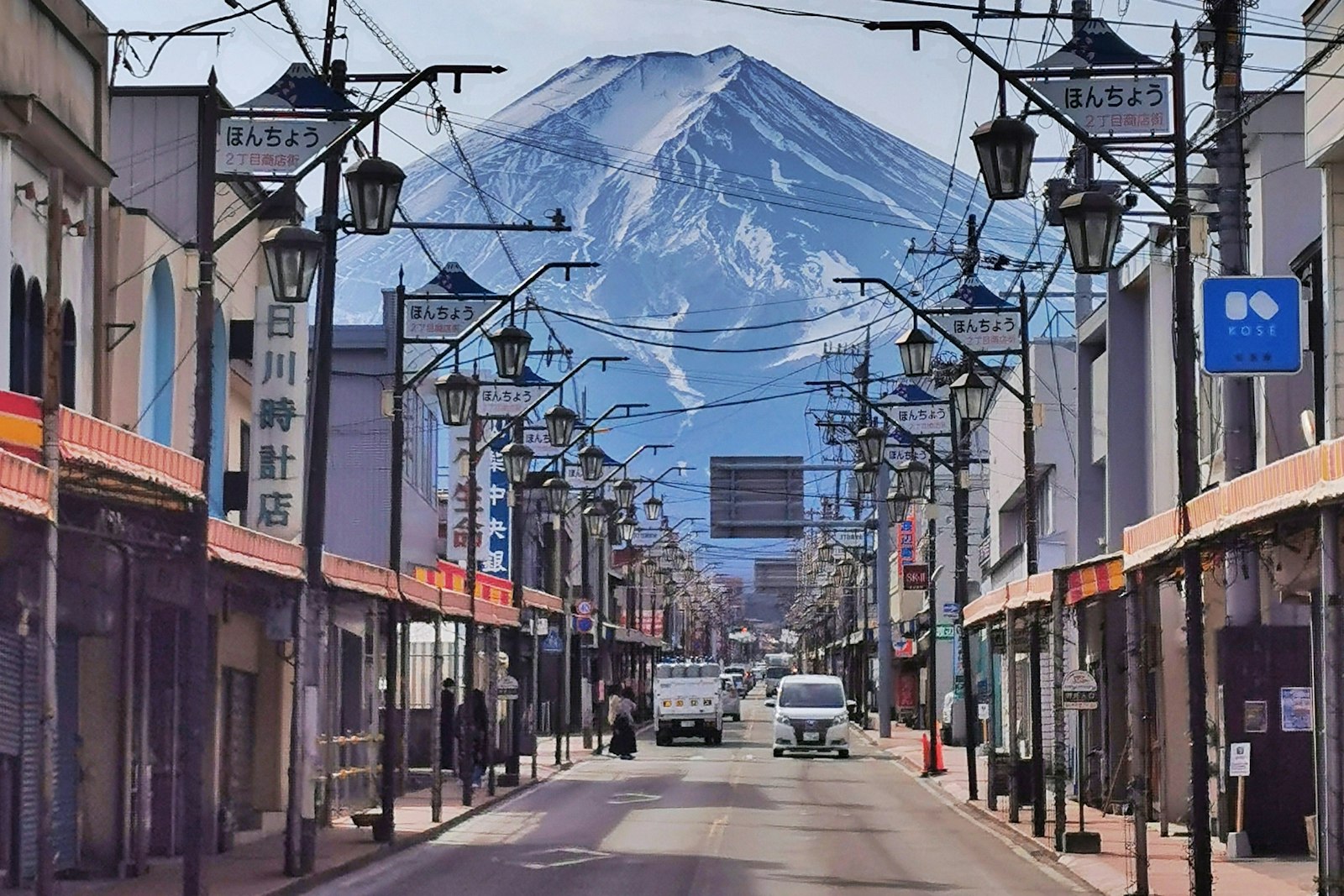
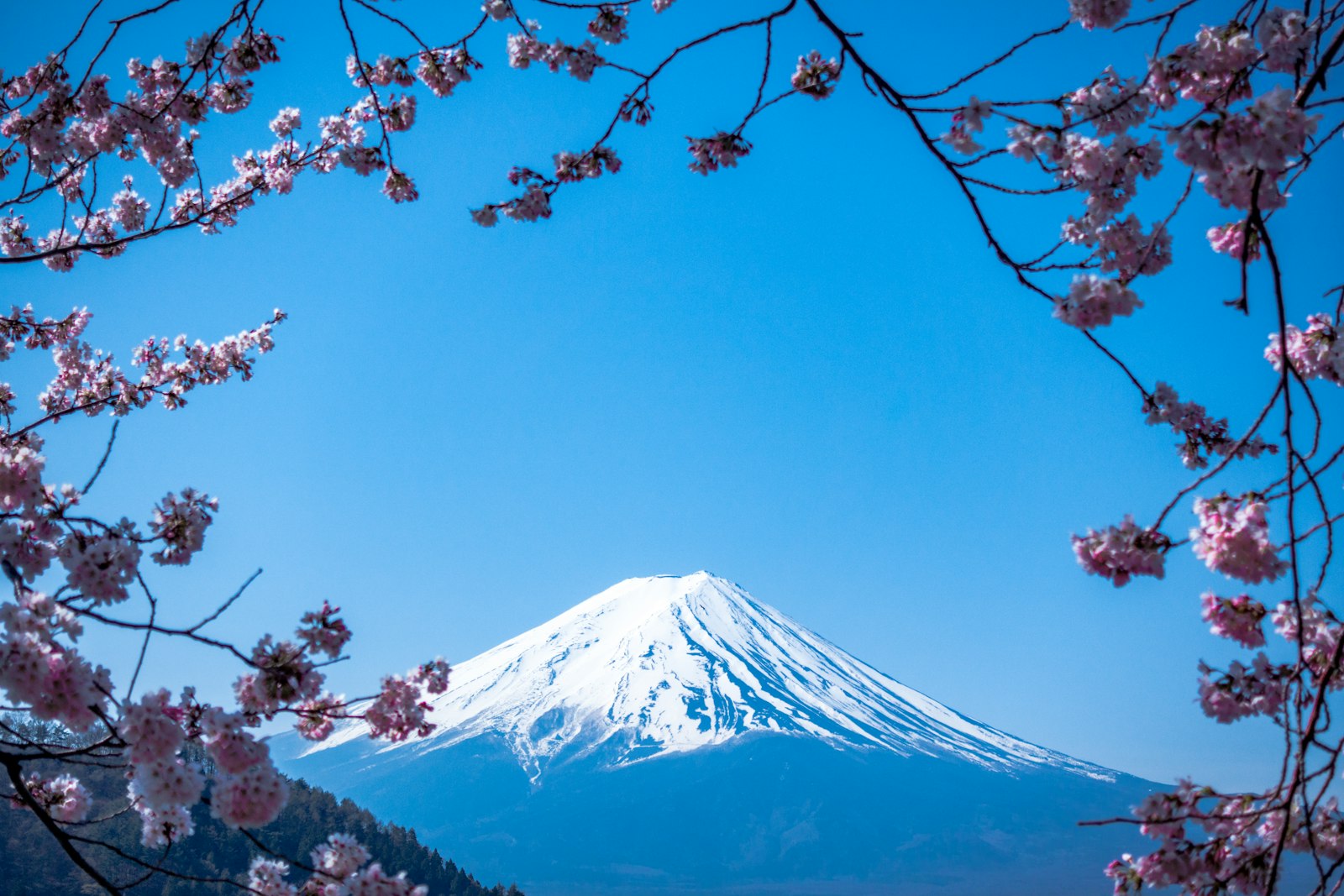
Escape summer heat in the Japanese Alps where temperatures are 5-10 degrees cooler than lowlands. Kamikochi valley in Nagano (bus from Takayama or Matsumoto) offers stunning alpine scenery with clear rivers, marshlands, and 3,000m peaks. Easy walks along the Azusa River are refreshing (entry free, bus ¥2,650 from Takayama). Alternatively, climb Mount Fuji (July 1-September 10 climbing season). The overnight ascent to watch sunrise from the summit is a bucket-list experience. Mountain huts along the trail cost ¥8,000-¥10,000 for a bunk with dinner and breakfast.
Tip: For Fuji climbing: start in the afternoon, sleep at a mountain hut around station 7 or 8, then summit for sunrise. Do NOT attempt the full climb in one day without acclimatization.
Days 7-8: Island Escape
Japan's subtropical islands offer crystal-clear swimming and a completely different atmosphere. Within easy reach: Yakushima (flight from Osaka 70 min) has ancient cedar forests with Ghibli-like moss gardens and sea turtle beaches. Zamami Island, Okinawa (ferry from Naha 50 min) has beaches rivaling the Maldives. Closer to Tokyo: Niijima Island (ferry 2.5 hours from Takeshiba) offers world-class waves and free onsen on the beach. Shikinejima (same ferry route) has natural hot springs flowing into the ocean. Island accommodation ranges from campsites (¥500) to comfortable minshuku (¥8,000 with meals).
Tip: Book island ferries well ahead in summer — Okinawa and popular islands sell out weeks in advance during Obon (mid-August) and school holidays.
Days 9-10: Kansai Festivals
End your summer trip in Kansai for major festivals. Tenjin Matsuri in Osaka (July 24-25) is one of Japan's three greatest festivals — a thousand-year-old tradition with river processions of 100 illuminated boats and massive fireworks. Gion Matsuri in Kyoto (entire July, parade on July 17) features towering float processions through narrow streets. Nara's Tokae lantern festival (early-mid August) places 20,000 candles along temple paths in Nara Park — deer wandering among candlelight is magical. The energy of summer matsuri, with traditional music, food stalls, and dancing crowds, is uniquely Japanese.