Spring Japan Itinerary: Cherry Blossom Route
Itineraries 8 min read

Spring Japan Itinerary: Cherry Blossom Route

Understanding Bloom Timing

Cherry blossoms (sakura) typically bloom from late March to mid-April, moving north as temperatures rise. Tokyo and Kyoto usually see first blooms (kaika) around March 20-25, with full bloom (mankai) about one week later. Peak viewing lasts roughly one week before petals scatter. Osaka blooms 2-3 days after Tokyo. Northern regions (Tohoku, Hokkaido) bloom in late April to mid-May. The Japan Meteorological Corporation updates forecasts weekly from January — plan around these predictions but build flexibility into your dates, as timing shifts by 1-2 weeks year to year.

Tip: Full bloom plus 2-3 days is actually the most beautiful moment — petals begin falling like pink snow (hanafubuki) and carpeting the ground beneath trees.

Days 1-3: Tokyo Hanami

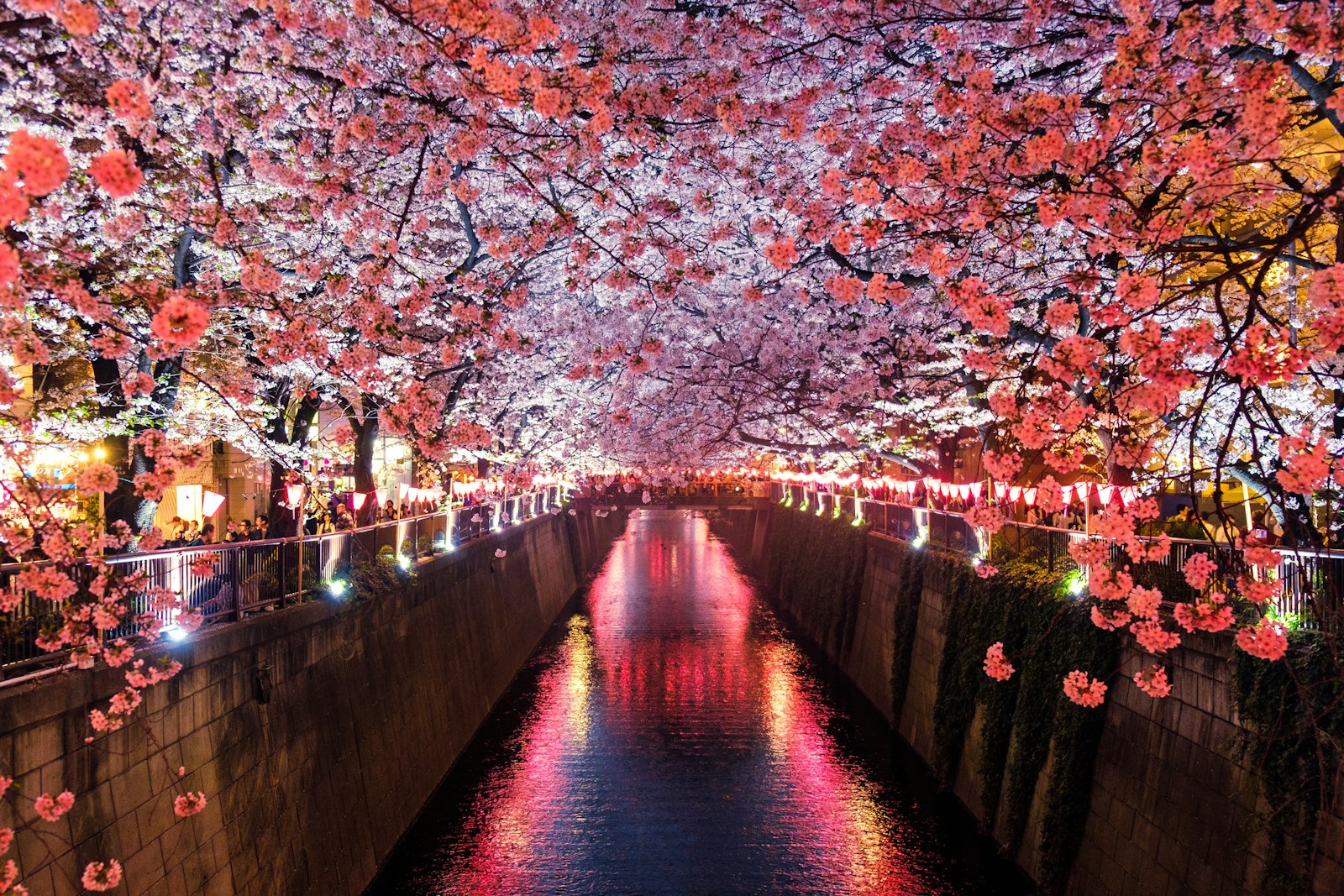
Tokyo offers hanami (flower viewing) everywhere from intimate neighborhood parks to grand imperial gardens. Top spots: Meguro River (800 trees forming a pink tunnel, lit at night), Shinjuku Gyoen (¥500, 1,000+ trees of 65 varieties, no alcohol allowed), Ueno Park (1,000 trees, picnic atmosphere), Chidorigafuchi moat near the Imperial Palace (rent rowboats beneath cascading blossoms, ¥800/30 min). Evening yozakura (night cherry blossoms) at Meguro River and Rikugien Garden (¥300) are magical with illuminated trees. Pack a picnic bento from a depachika and join locals on tarps beneath the trees.

Tip: Saturday during full bloom at Yoyogi Park or Ueno is the quintessential hanami experience — thousands of groups feasting under pink canopies. Arrive by noon to secure a spot.

Days 4-6: Kyoto in Bloom

Kyoto's temples are transcendent during cherry blossom season. Philosopher's Path: 2 km canal lined with 500 cherry trees, petals floating in the water. Maruyama Park: Kyoto's most famous weeping cherry tree, spectacularly lit at night (free). Daigo-ji: Historic viewing spot where Toyotomi Hideyoshi held a legendary hanami party in 1598 (¥1,500). Kiyomizu-dera: temple platform rising above a sea of pink and white blossoms (¥400). Heian Shrine: weeping cherries reflected in the garden pond (¥600). Arashiyama: mountains turning pink behind the Togetsukyo Bridge. Budget ¥8,000-¥12,000/day.

Tip: Kyoto's blooms peak 2-5 days after Tokyo. If you time Tokyo at full bloom and move to Kyoto on day 4, you will likely catch Kyoto at or near peak as well.

Days 7-8: Yoshino and Nara

Mount Yoshino in Nara Prefecture has 30,000 cherry trees covering an entire mountainside — it has been Japan's most famous viewing spot for over 1,000 years. Trees bloom from the bottom (Shimo-senbon) to the top (Oku-senbon) over two weeks, so timing is more forgiving. The sight of an entire mountain turning pink is unlike anything in Tokyo or Kyoto. Cable car ascends from the base (¥450). In Nara city, deer roam beneath cherry trees in Nara Park — the combination of pink petals and bowing deer is endlessly photographable. Nara is an easy day-trip from Kyoto or Osaka.

Tip: Mount Yoshino gets extremely crowded on weekends during peak bloom. Visit on a weekday and start early — the lower thousand trees (Shimo-senbon) bloom first around early April.

Days 9-10: Late Blooms — Tohoku Option

If visiting in late April when southern blossoms have fallen, head north for a second bloom. Hirosaki Castle in Aomori Prefecture (late April) has 2,600 cherry trees and is considered the finest sakura spot in all of Japan by many locals. The castle moat fills with fallen petals creating a pink river. Kakunodate in Akita has a samurai district street lined with weeping cherries (late April). Kitakami in Iwate has a 2 km riverside tunnel of 10,000 trees. All accessible by Tohoku Shinkansen from Tokyo (2.5-3.5 hours). This northern route guarantees blossoms even if your trip falls after Tokyo's peak.

Tip: Hirosaki's cherry blossom festival includes illuminated night viewing and boat rides on the petal-filled moat — many consider it Japan's single most beautiful hanami scene.