Japan Photography Guide: Best Locations & Tips
Special Interest 8 min read

Japan Photography Guide: Best Locations & Tips

Iconic Landscape Shots

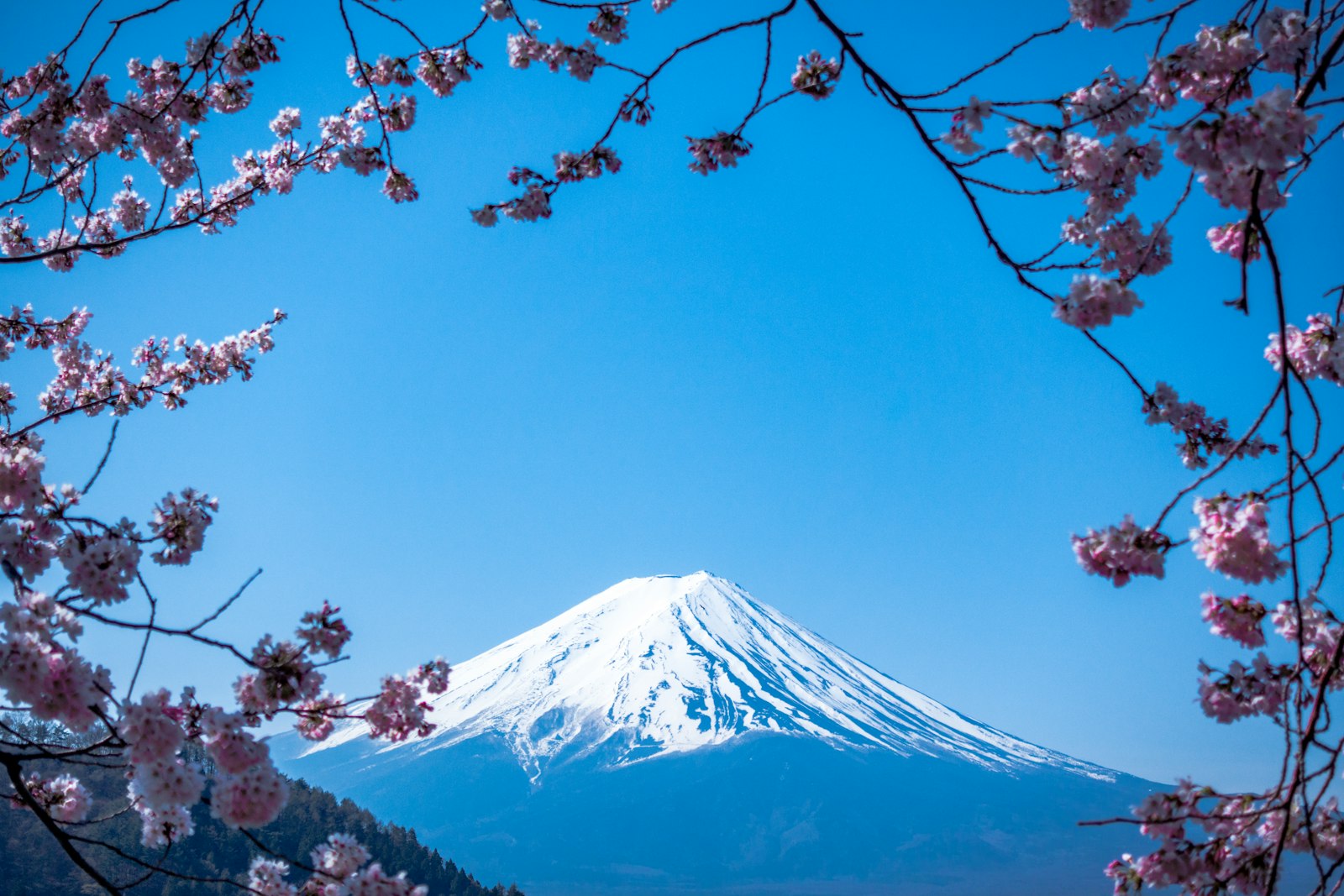
Mt Fuji from Chureito Pagoda (Fujiyoshida) — the quintessential Japan photo requires a clear day, the 398-step climb, and ideally cherry blossoms or autumn leaves. Best at dawn. Fushimi Inari torii gates (Kyoto) — the endless vermillion tunnel photographs best at 5-6am before crowds. Shirakawa-go thatched village — shoot from the Shiroyama Viewpoint, especially in January snow. Kinkaku-ji Golden Pavilion — the mirror reflection works best on windless mornings. Miyajima floating torii — high tide + sunset is the combination.

Tip: Google 'Japan sunrise/sunset time' for your travel dates — golden hour shifts dramatically between seasons (summer sunrise 4:30am vs winter 6:50am).

Street & Urban Photography

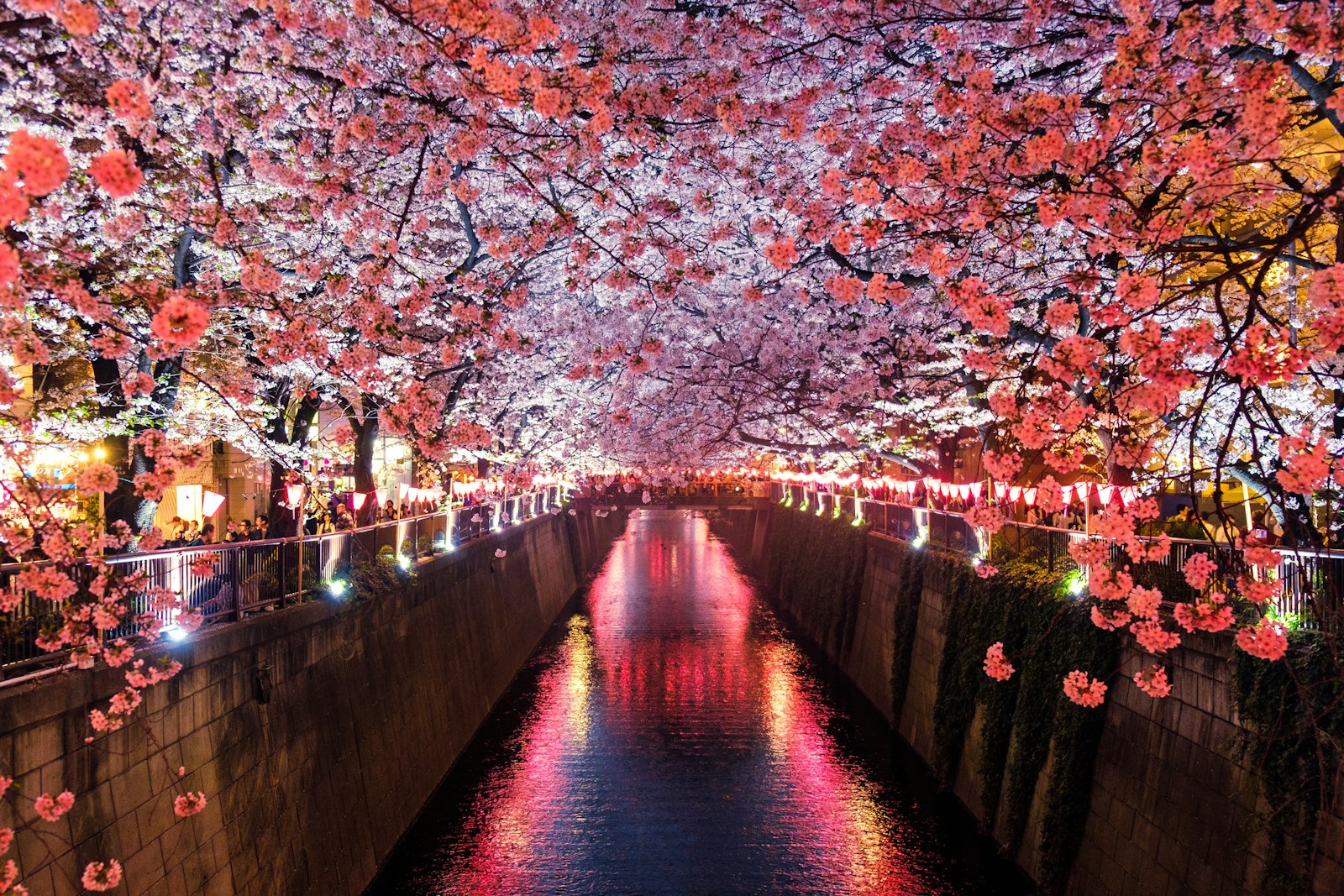
Tokyo's neon districts are photographer's paradise. Shibuya Crossing — shoot from Shibuya Sky (¥2,000) or Starbucks (2nd floor of TSUTAYA building, buy a drink). Shinjuku Kabukicho and Golden Gai — narrow neon alleys, best after 8pm in rain (reflections). Akihabara — sensory overload of signs and otaku culture. Ginza — clean luxury architecture at night. Dotonbori (Osaka) — the Glico Man and canal reflections. For quieter street work, Yanaka (Tokyo) and Naramachi (Nara) have old-town charm with interesting light in narrow lanes.

Tip: Rain transforms Japanese cities photographically — neon reflections on wet streets, transparent umbrellas creating patterns, and fewer tourists in your frame.

Temple & Garden Photography

Japan's temples and gardens reward patience and early mornings. Bamboo Grove (Arashiyama) needs a 7am start for empty shots. Kiyomizu-dera — the classic balcony shot requires the far viewpoint accessed via the pagoda path. Byodo-in (Uji) — the Phoenix Hall reflection needs still water (morning). Kenroku-en (Kanazawa) — winter snow hanging (yukitsuri) on pines is unique. Interior temple photography is usually prohibited (check signs). Garden photography is generally allowed. Use a polarizing filter to cut reflections on water and deepen foliage colors.

Tip: Tripods are banned in most temple grounds — bring a GorillaPod or learn to stabilize against pillars and railings for long exposures.

Photography Etiquette in Japan

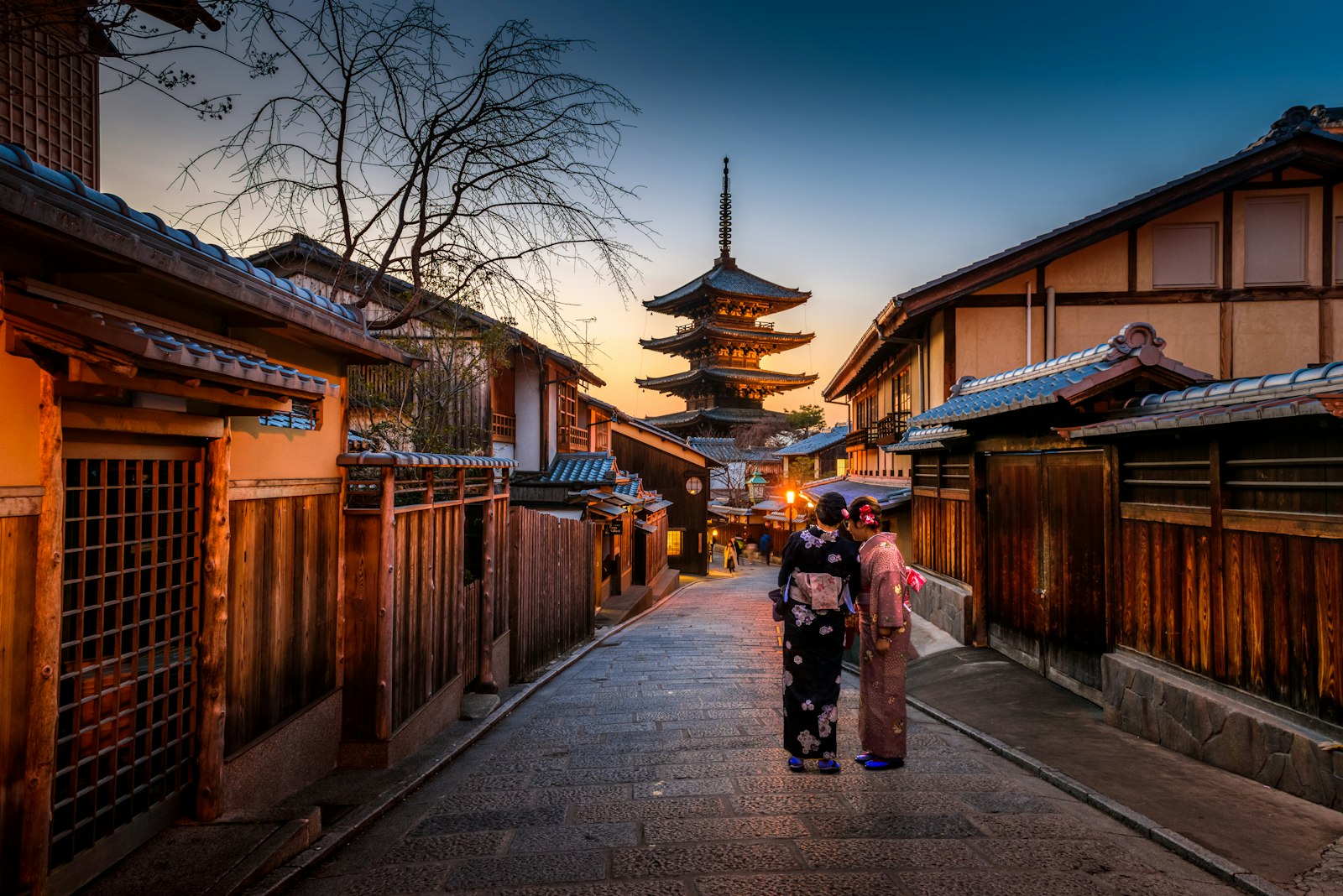
Crucial rules: Never photograph geisha/maiko without permission (especially in Gion — they're working, not performers). No photos inside most temples — signs with a camera-slash icon mean no photography anywhere inside. Ask before photographing people — Japanese privacy culture is strict. No drone flights in urban areas, near airports, above 150m, or over crowds without permits. Shrines are sacred — don't block worshippers or climb structures for angles. Train platforms have marked photo spots; don't lean over yellow lines. Violation of privacy laws carries fines.

Tip: The 'no photography' rules are strictly enforced at some locations (especially Kyoto temples) — if caught, you may be asked to delete images.

Gear & Practical Tips

Pack light — Japan involves walking 15-25km daily. A mirrorless body + 24-70mm covers 80% of needs. Add a wide-angle (16-35mm) for temples and a fast 50mm for food/street. Telephoto (70-200mm) for Mt Fuji from distance and wildlife. Spare batteries are crucial (cold weather drains them). Memory cards are cheaper in Akihabara (Yodobashi Camera, BIC Camera) than anywhere. For phone photographers, Japan's lighting works brilliantly with iPhone/Pixel computational photography. Camera shops: Map Camera in Shinjuku and Fujiya Camera in Nakano sell excellent used lenses at 50-70% of new price.

Tip: Yodobashi Camera Akihabara's tax-free floor has current-model gear 10-20% below Western retail — bring your passport for tax-free purchase over ¥5,000.