Clothing: Layers Are Everything
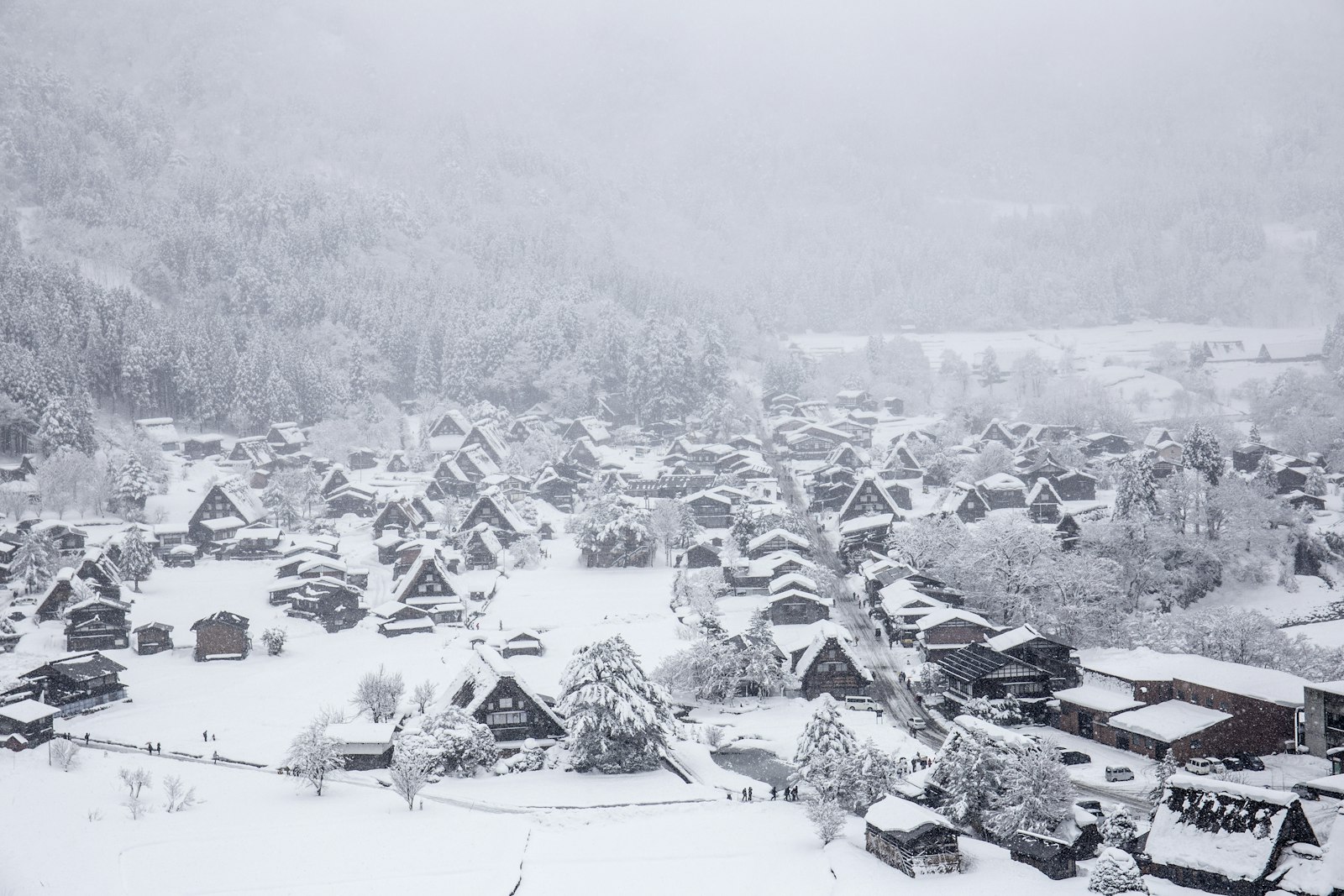
Japan's weather varies dramatically by season and region. The universal rule is layers. Spring (March-May): Light jacket, long sleeves, one warm layer for chilly evenings — temperatures swing from 8-22°C. Summer (June-August): Light, breathable fabrics, rain jacket for June's rainy season, hat and sunscreen. Humidity reaches 80%+. Autumn (September-November): Similar to spring, add a medium jacket. Winter (December-February): Warm coat, gloves, scarf — Tokyo hits 2-10°C, Hokkaido drops well below zero. Pack one dressy outfit for upscale restaurants that may have dress codes.
Tip: Uniqlo stores are everywhere in Japan — buy HEATTECH base layers (¥990-1,990) on arrival if you under-packed for winter.
Footwear: Comfort Over Style
You will walk 15,000-25,000 steps daily in Japan. Bring broken-in, comfortable walking shoes. Slip-on shoes are ideal because you remove shoes constantly at temples, restaurants, and ryokan. Avoid lace-up boots for temple-heavy days. Pack at least one pair of clean socks without holes (temple floors are unforgiving). In summer, sandals work for casual days but temples may require closed-toe shoes on gravel paths. In winter, waterproof shoes with grip are essential — sidewalks ice over in northern Japan. Most Japanese shoe stores only stock up to EU 28cm (US 10), so bring what you need.
Tech and Connectivity
Essential tech: Universal power adapter — Japan uses Type A plugs (same as US). Voltage is 100V, which works with most chargers. Portable battery pack (10,000+ mAh) — heavy phone use for maps and translation drains batteries fast. eSIM or pocket WiFi — arrange before departure. Google Translate app with Japanese offline pack downloaded. Helpful apps: Navitime (trains), Tabelog (restaurants), Google Maps (walking/transit), PayPay (QR payment accepted everywhere). A Suica/Pasmo on Apple Pay eliminates the need for a physical IC card.
Toiletries and Medicine
Japan's drug stores (Matsumoto Kiyoshi, Sundrug, Tsuruha) are excellent, so do not over-pack toiletries. However, bring: prescription medications with English documentation (some ingredients legal elsewhere are restricted in Japan — pseudoephedrine and certain ADHD medications require advance import permission). Sunscreen, deodorant (Japanese deodorant is mild — bring your preferred strength), contact lens solution if particular about brands. Japanese pharmacies sell: excellent face masks, Salonpas pain patches, eye drops, and stomach medicine. Hotel rooms always provide shampoo, body wash, toothbrush, and razor.
What NOT to Bring
Leave behind: excessive luggage (Japan's train stations have stairs everywhere and limited luggage space on local trains), large towels (hotels provide them, onsen provide them), full-size toiletries (decant into travel bottles or buy in Japan), hardshell suitcases larger than 28 inches (will not fit in coin lockers or overhead racks), and too many clothes. Japan has coin laundries (¥200 wash, ¥100/10min dry) in every neighborhood, excellent laundromats in hotels, and Uniqlo/GU for affordable replacements. Ship excess luggage ahead via Yamato Transport (¥2,000-3,000 between cities).