Why Japanese Hostels Are Different
Japanese hostels are exceptionally clean, quiet, and well-designed — reflecting broader Japanese standards rather than the party-hostel stereotype common elsewhere. Expect individual reading lights, privacy curtains on bunks, personal power outlets, security lockers large enough for backpacks, and spotless shared bathrooms. Many include design-forward common spaces with coffee, shared kitchens, and curated local maps. Rules are enforced: quiet hours (typically 10 PM-7 AM), no food in dorms, shoes off indoors. Prices range from ¥2,000 for basic dormitories to ¥5,000 for premium private pods.
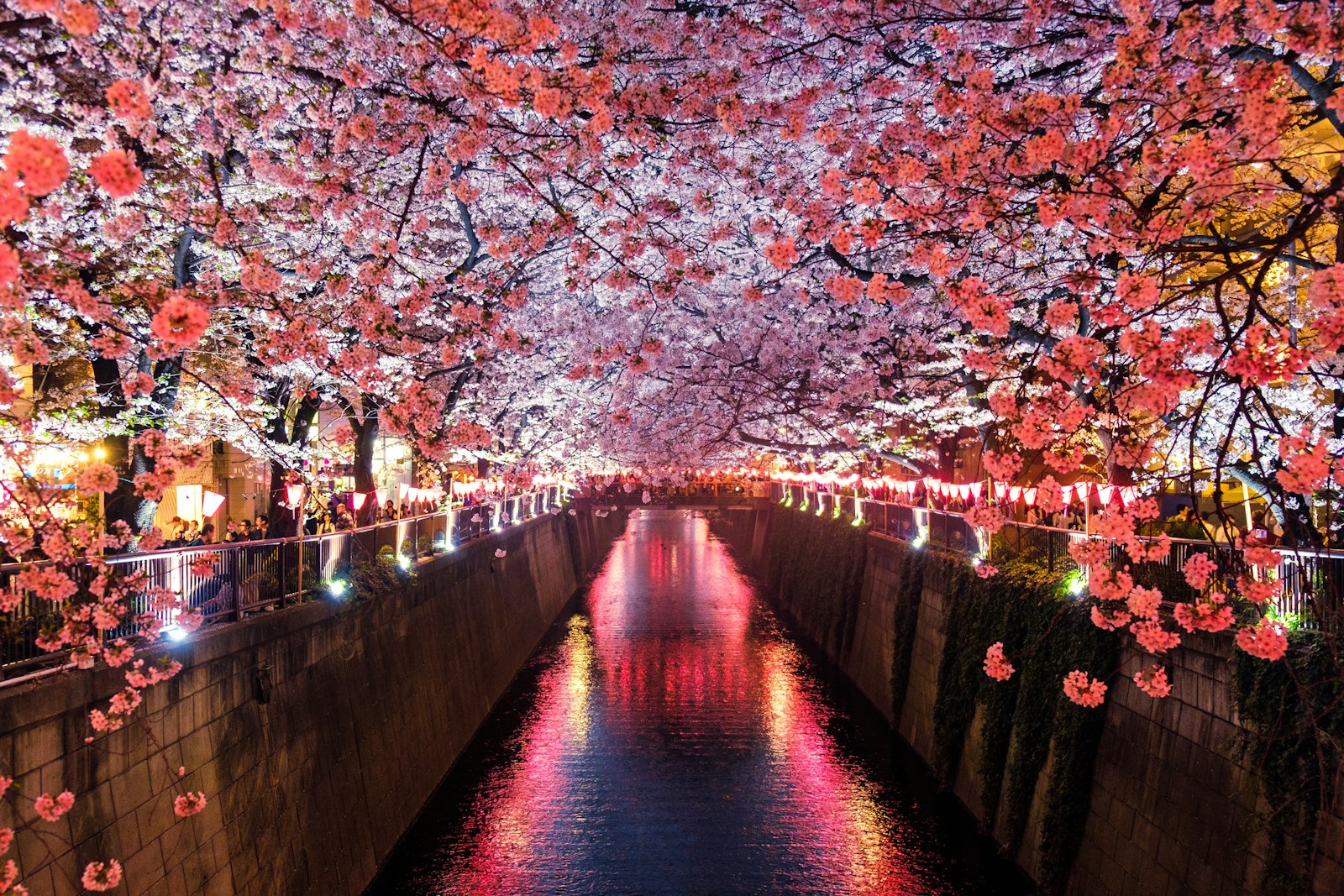
Tip: Japanese hostels fill up quickly in cherry blossom season (late March-April) and autumn foliage (November). Book 2-3 months ahead for popular locations during these periods.
Best Hostels in Tokyo
Nui. Hostel & Bar Lounge in Kuramae occupies a renovated warehouse with a ground-floor bar that brings travelers and locals together (dorms from ¥3,200, private from ¥8,000). Toco Tokyo Heritage Hostel in Iriya is a converted 1920s Japanese house with a garden and tatami common room (from ¥3,000). Bunka Hostel Tokyo in Asakusa has a ground-floor izakaya and modern capsule-style bunks (from ¥3,500). CITAN in Nihonbashi combines hostel, restaurant, bar, and roastery in a beautifully renovated building (from ¥3,800).
Tip: Stay in Kuramae or Asakusa for the best hostel concentration with easy access to central Tokyo via the Asakusa Line.
Best Hostels in Kyoto and Osaka
In Kyoto, Piece Hostel Sanjo offers design-magazine aesthetics with a huge open kitchen and living area near Sanjo Station (dorms from ¥3,200). Len Kyoto Kawaramachi has a riverside bar and cafe attracting a creative crowd (from ¥3,000). Hostel Niniroom near Nijo Castle is tiny and intimate with just 14 beds (from ¥2,800). In Osaka, The Dorm Hostel in Shinsaibashi has an epic rooftop terrace for socializing (from ¥2,500). Fuku Hostel in Namba offers female-only floors and a stylish lounge (from ¥2,800). J-Hoppers Osaka is a long-running backpacker favorite near Osaka Castle (from ¥2,400).
Tip: Kyoto hostels often provide free bicycle rental — the city is flat and easily explored by bike, saving on bus fares.
Hostel Types and What to Expect
Japanese hostels fall into several categories. Designer hostels (Nui, CITAN, Piece) prioritize aesthetics and social spaces — expect craft coffee, curated experiences, and higher prices (¥3,500-¥5,000). Traditional house hostels (Toco, guest houses in Kyoto) offer tatami floors and futons in converted machiya or Japanese homes (¥2,500-¥4,000). Budget chains (K's House, J-Hoppers) provide reliable clean beds at the lowest prices (¥2,000-¥3,000). Pod-style hostels blur the line with capsule hotels, offering privacy curtains and individual ventilation (¥3,000-¥4,500).
Tip: Most hostels provide free luggage storage on check-in and check-out days — useful for arriving early or departing late without carrying bags all day.
Booking and Practical Tips
Book through Hostelworld, Booking.com, or directly through hostel websites (sometimes cheapest). Most accept credit cards but some budget places are cash-only — confirm before arrival. Check-in hours are often limited (3-9 PM is common) — notify if arriving late. Shared kitchens are standard but cooking supplies (oil, seasoning) are usually not provided. Coin laundry is available at most (¥200-¥300/load). For female travelers, many hostels offer women-only dorm rooms. Towels are sometimes free, sometimes rental (¥100-¥200). Bring a small padlock for lockers or buy one at the front desk (¥300-¥500).