Tokyo's Autumn Season: When & What to Expect
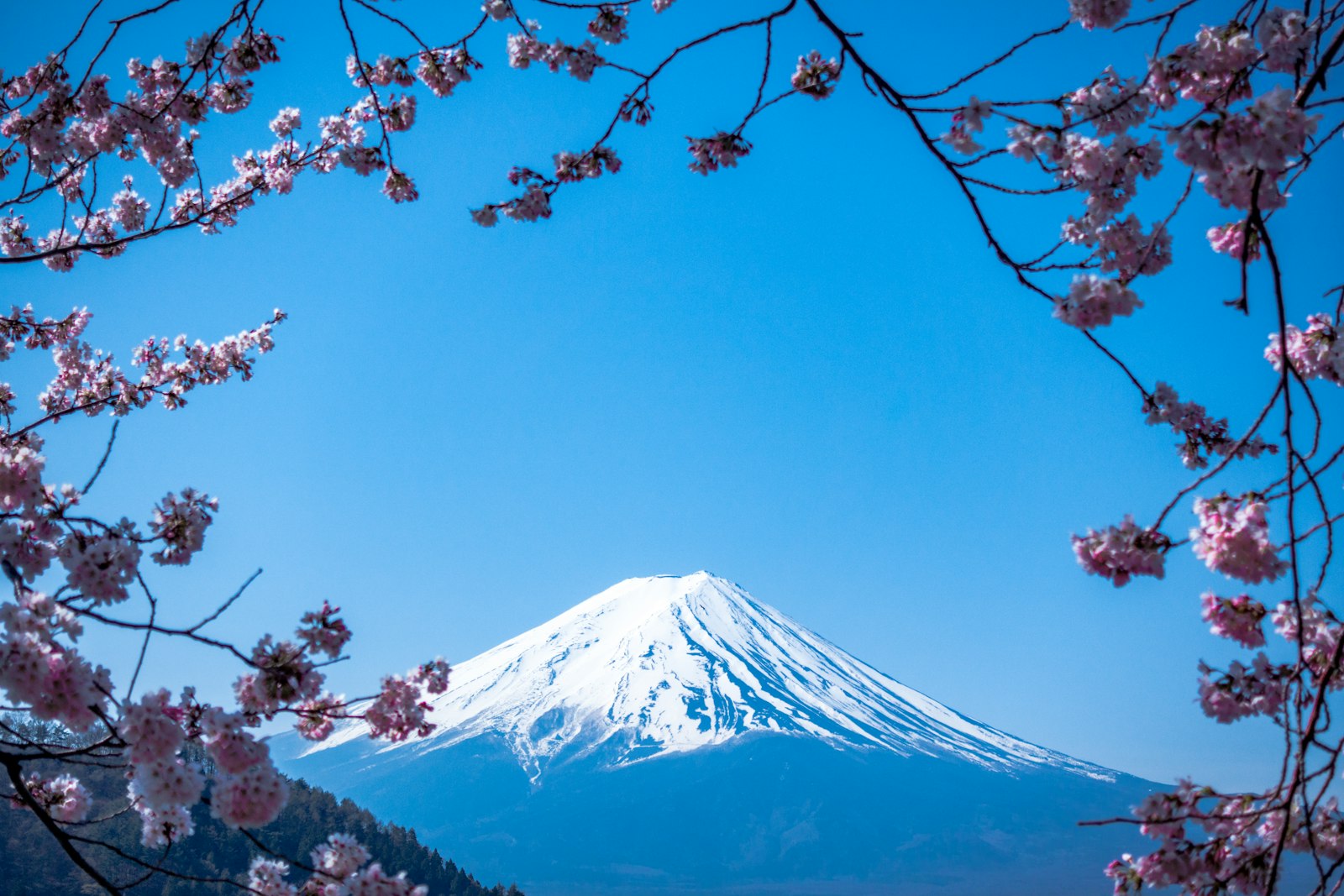
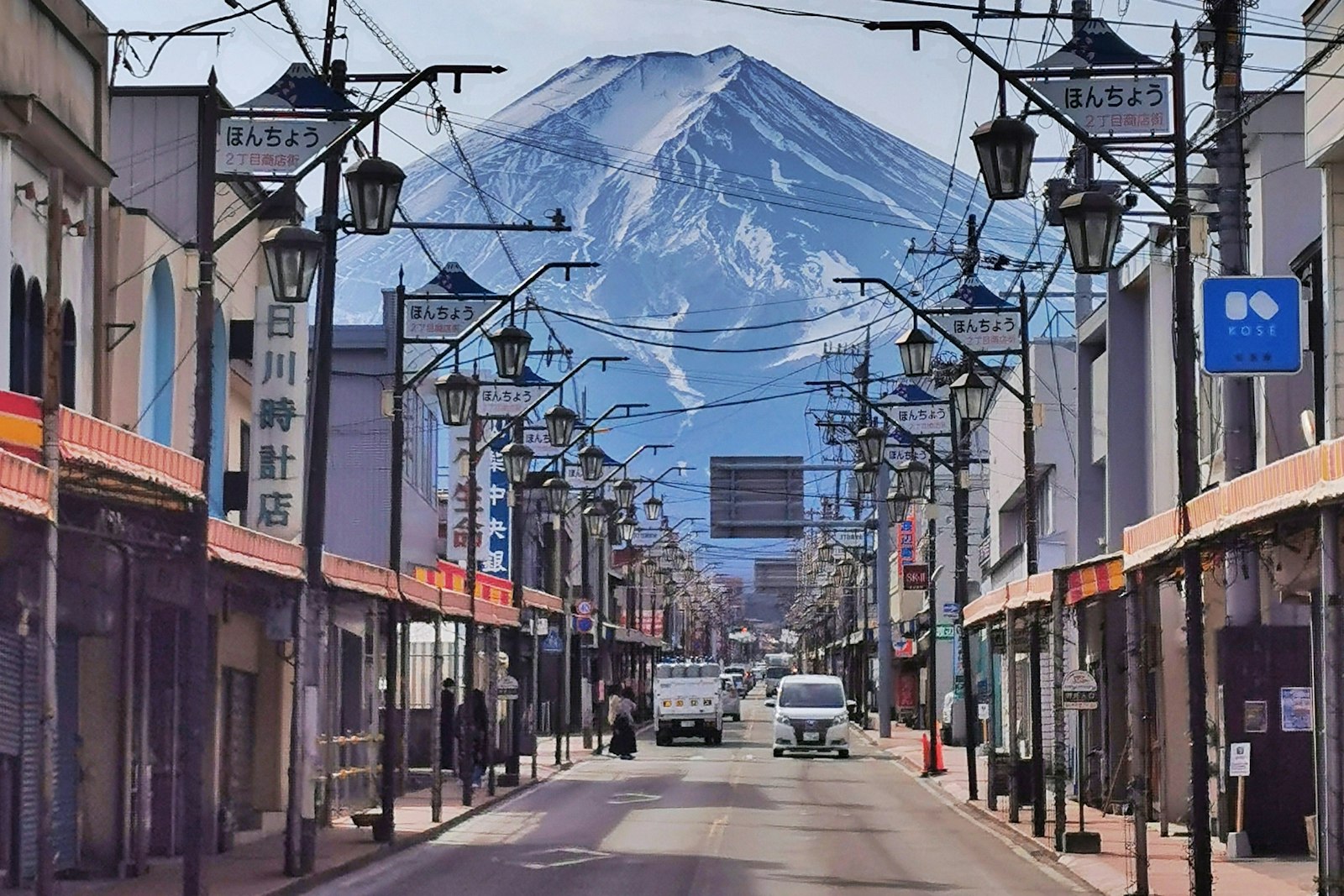
Tokyo's autumn is less dramatic than Kyoto's temple settings but has its own charm: golden ginkgo against modern skyscrapers, maples reflected in garden ponds, and the contrast of nature within a megacity. Temperatures are comfortable (10-17°C daytime), rain is infrequent, and the clear autumn skies often reveal Mount Fuji from city viewpoints. Unlike Kyoto's overwhelming crowds, Tokyo's many parks and gardens spread visitors comfortably.
Tip: Tokyo's ginkgo trees peak in late November (slightly before maples). The combination of golden ginkgo and red maples in the same park creates beautiful two-tone scenes.
Meiji Jingu Gaien: The Golden Ginkgo Avenue
Peak timing: mid-to-late November. The annual Jingu Gaien Ginkgo Festival (mid-November to early December) brings food stalls and weekend crowds. Visit on a weekday morning for the emptiest conditions — the avenue faces south, so afternoon light is best for photography. Access: Gaienmae Station (Ginza Line) or Aoyama-itchome Station (multiple lines). The adjacent Meiji Jingu stadium area adds a nostalgic sports-ground atmosphere to the autumn scene.
Tip: Photograph the ginkgo avenue from the south end looking north toward the gallery building for the classic converging perspective. Late afternoon sun (3-4 PM) creates the warmest golden light.
Rikugien: Illuminated Autumn Garden
The illumination period draws significant crowds — weekday evenings are manageable, but Friday/Saturday can mean 30-60 minute entry queues. Inside, the garden's winding paths reveal successive lit vignettes around the pond. Daytime visits (opens 9 AM) are far quieter and equally beautiful, with morning mist on the pond adding atmosphere. Access: Komagome Station (JR Yamanote/Namboku lines), 2-minute walk. The garden's compact size (87,000m²) means 45-60 minutes is sufficient for a full circuit.
Tip: For Rikugien illumination without queues, arrive on a weekday just before sunset (4:30 PM) — you'll experience the transition from daylight autumn colors to illuminated spectacle without leaving and re-entering.
Shinjuku Gyoen & Central Tokyo Parks
Koishikawa Korakuen (¥300, near Iidabashi) is a compact Edo-period garden with stunning maples over its central pond — the Tsutenkyo Bridge covered in red leaves is its signature autumn image. Hamarikyu Gardens (¥300) offers autumn maples with Tokyo Bay and skyscrapers as backdrop — uniquely modern. Hibiya Park (free) has beautiful ginkgo trees near the business district, and Ueno Park (free) features a mix of ginkgo and maple along its central fountain avenue.
Tip: Koishikawa Korakuen is smaller and less famous than Rikugien but equally stunning in autumn — and far less crowded, even on weekends.
Mount Takao & Day Trip Options
For more dramatic foliage: Nikko (2 hours, peaks late October-early November) has outstanding mountain autumn against ornate shrines. Hakone (90 minutes from Shinjuku) peaks in mid-November with autumn colors over Lake Ashi and Mount Fuji views. Chichibu/Nagatoro (90 minutes from Ikebukuro) offers river gorge autumn scenery. Kamakura's temples (1 hour from Tokyo) have intimate autumn gardens peaking in late November to early December — among the last in the Kanto region.
Tip: Mount Takao is extremely crowded on autumn weekends. Go on a weekday or start hiking before 8 AM. Trail #4 has beautiful autumn forest with fewer people than the main Trail #1.